

Definition
A customs bond is a critical form of insurance designed to protect the U.S. Treasury should an importer fail to pay the required duties, taxes, fines, or fees incurred on their commercial imports. A Continuous Customs Bond (CCB) is the most efficient type, covering all imported shipments for one full year from the date of issue.
Bond Types
Importers typically choose between two types of customs bonds:
• A Single Entry Bond (SEB), which can only be used for a single import transaction.
• A Continuous Entry Bond (CCB), which covers all import shipments for one year.
Core Requirement
Logicmile Logistics Consulting requires that importers ship under a Continuous Customs Bond. This ensures streamlined customs clearance across all your import operations and minimizes delays. Note that a CCB can be utilized by multiple customs brokers simultaneously, providing essential flexibility if you manage operations across different U.S. markets.
Purchasing and Fees
You can purchase your Continuous Customs Bond through our preferred partners, often securing a lower rate than what many other brokers charge. If you are interested in setting this up, please let us know, and we will get the process rolling quickly.
It is vital to understand that the purchase of a Continuous Customs Bond does NOT cover the customs clearance fee. You will be charged a separate customs clearance fee for every individual shipment processed.
Renewal Support
If your CCB requires renewal, your dedicated account management team will proactively assist you. We monitor renewal dates and will remind you about a month before your bond renewal date to ensure continuous coverage and avoid disruptions to your supply chain.
-

Navigating Amazon's Account Level Reserve (ALR) and Cash Flow Throttling: A Guide for Sellers
Amazon's Account Level Reserve (ALR) and "Delivery Date + 7 days" (DD+7) disbursement policies are severely impacting seller cash flow, making it challenging to pay suppliers and restock inventory. Understanding these mechanisms is crucial for maintaining financial stability and operational efficiency in e-commerce. Strategic logistics and proactive financial planning can help mitigate these significant funding delays.
2026-05-06
-
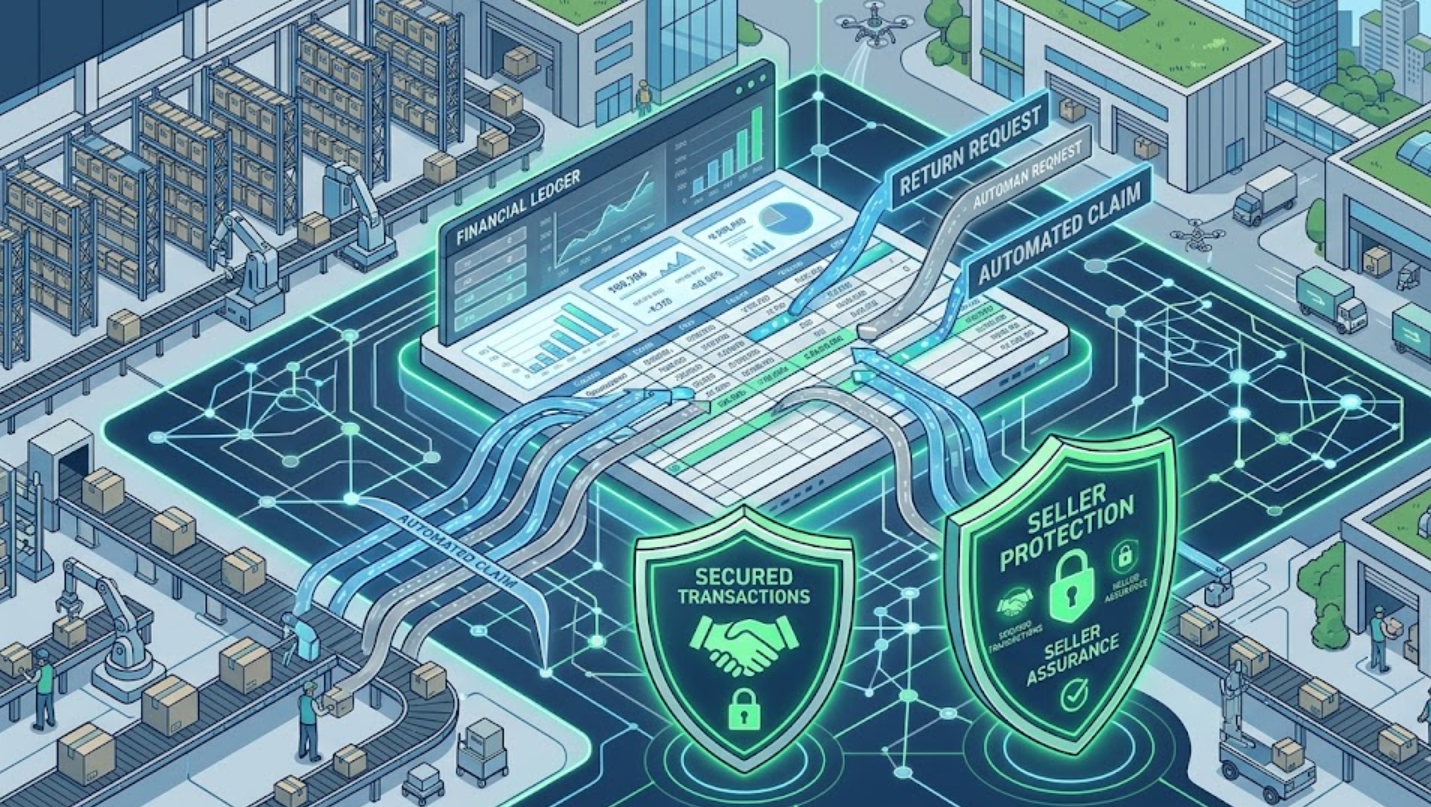
Navigating Amazon's A-to-Z Guarantee: Mitigating Seller-Funded Return Abuse
Amazon's automated A-to-Z Guarantee claims and escalating return abuse present a critical financial challenge for e-commerce sellers, often leading to uninvestigated, seller-funded losses. This trend, exacerbated by strict enforcement of doctrines like the First Sale Rule, necessitates proactive strategies to protect seller profitability. Understanding these dynamics and implementing robust mitigation tactics is essential for sustainable online business operations.
2026-04-29


