

Definition
The Container Facility Fee (CFF) is a specific logistics surcharge levied against standard container traffic utilizing the port complex covering New York and Newark. It is calculated as a single flat rate, independent of the commodity or weight of the cargo, and serves as an obligatory addition to the total destination charges for affected shipments.
Source and Function
This surcharge is not generated by the ocean carriers themselves but is a direct reflection of fees imposed by the Port Authority of New York and New Jersey (PANYNJ). The Port Authority utilizes these funds to support crucial infrastructure development, facility upgrades, and ongoing operational maintenance within the port area, ensuring the continued efficiency of the gateway. Carriers act solely as intermediaries, passing the charge directly to the freight payer.
Logistics Impact and Carrier Billing
For shippers and importers, the Container Facility Fee will appear on the final freight invoice or quotation, typically categorized as a destination charge upon arrival at the PANYNJ ports.
Key considerations:
• The fee applies to both import and export containers handled at or via the Ports of New York and Newark.
• It is a flat fee, meaning the rate does not fluctuate based on the type of container (20ft vs. 40ft) or the total freight value.
• Logistics providers, such as Flexport or other freight forwarders, include this fee transparently in their final cost structures.
Expert Advice
When planning logistics routes into the Northeast U.S., shippers must incorporate the CFF into their landed cost calculations immediately upon receiving a quote referencing the Ports of New York/Newark. Unlike volatile demurrage or detention charges, the CFF is predictable and fixed. Logicmile advises clients to confirm the current flat rate with their carrier or forwarder annually, as the Port Authority may adjust the rate periodically. Understanding that this fee is mandatory and unavoidable for PANYNJ movements prevents budgeting surprises.
-

Navigating Amazon's Account Level Reserve (ALR) and Cash Flow Throttling: A Guide for Sellers
Amazon's Account Level Reserve (ALR) and "Delivery Date + 7 days" (DD+7) disbursement policies are severely impacting seller cash flow, making it challenging to pay suppliers and restock inventory. Understanding these mechanisms is crucial for maintaining financial stability and operational efficiency in e-commerce. Strategic logistics and proactive financial planning can help mitigate these significant funding delays.
2026-05-06
-
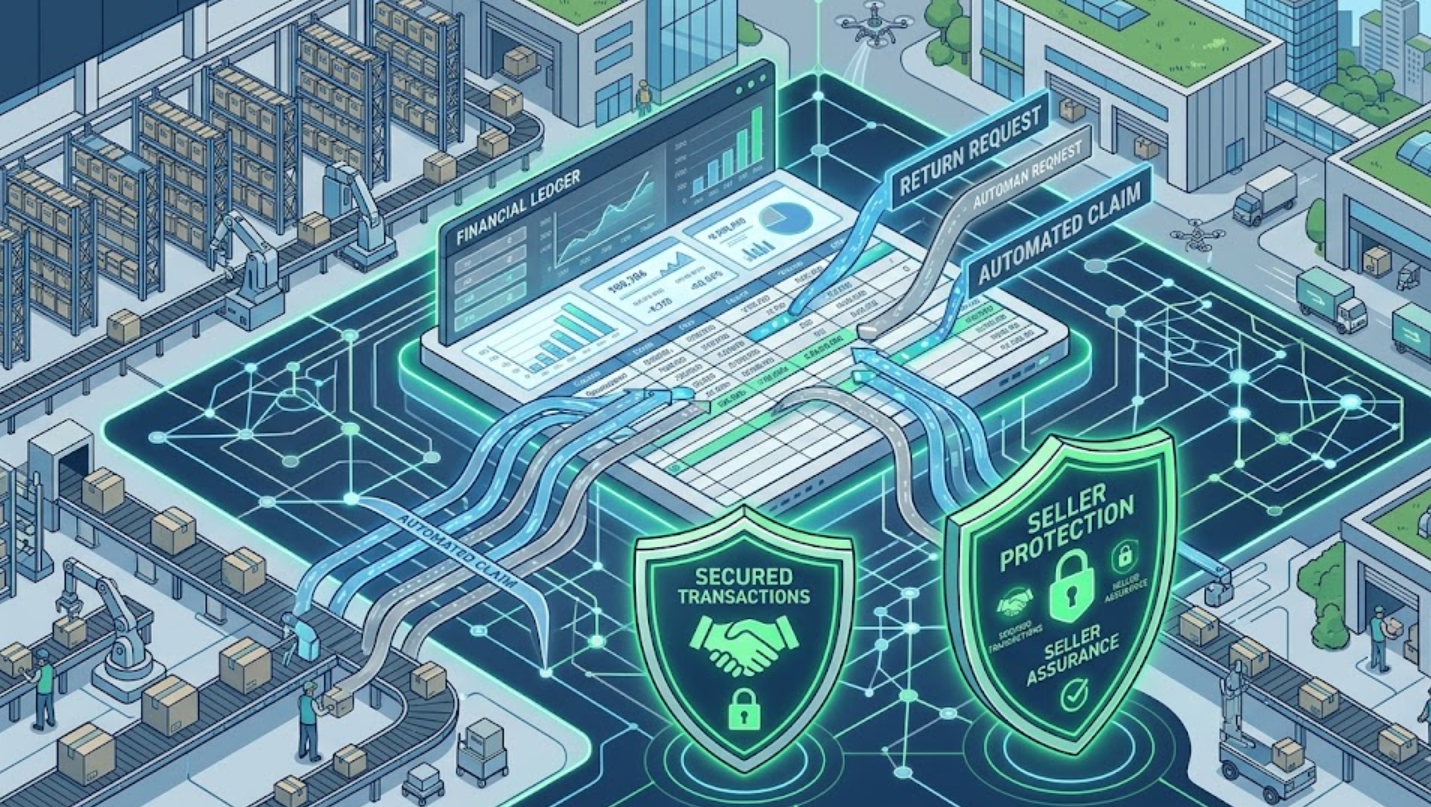
Navigating Amazon's A-to-Z Guarantee: Mitigating Seller-Funded Return Abuse
Amazon's automated A-to-Z Guarantee claims and escalating return abuse present a critical financial challenge for e-commerce sellers, often leading to uninvestigated, seller-funded losses. This trend, exacerbated by strict enforcement of doctrines like the First Sale Rule, necessitates proactive strategies to protect seller profitability. Understanding these dynamics and implementing robust mitigation tactics is essential for sustainable online business operations.
2026-04-29


