

Definition
Consolidation is the fundamental practice in logistics where multiple small-volume shipments destined for the same geographical region or route are grouped together to form a single, larger shipment. This grouping allows the freight to be handled as a full container load (FCL) or full truckload (FTL), rather than as individual less-than-container load (LCL) or less-than-truckload (LTL) shipments.
Core Process/Function
The core function of consolidation is cost and efficiency optimization. For ocean freight, LCL cargo is transported to a Container Freight Station (CFS). At the CFS, workers coordinate the packaging and loading of goods from various shippers into a single ocean container. This container is sealed and shipped under one master bill of lading. Upon arrival at the destination port, the process is reversed (deconsolidation) at the destination CFS, and individual shipments are released to the consignees.
This process significantly reduces the frequency of documentation and individual handling required, minimizing transit risk and streamlining port procedures.
Expert Advice
To leverage consolidation effectively, focus on optimizing your supplier base geographically. Utilize technology that provides real-time visibility into incoming LCL shipments to ensure timely alignment at the CFS. When engaging a logistics provider, ensure they offer robust origin services and reliable deconsolidation processes to avoid delays at the final mile. Be meticulous about accurate dimensioning and labeling, as misdeclared cargo can disrupt the entire consolidated load schedule.
Key Takeaways
• Drives significant savings over traditional LCL/LTL rates.
• Essential strategy for optimizing multi-supplier supply chains.
• Typically executed at a Container Freight Station (CFS).
• Improves security by reducing the frequency of individual handling.
-

Navigating Amazon's Account Level Reserve (ALR) and Cash Flow Throttling: A Guide for Sellers
Amazon's Account Level Reserve (ALR) and "Delivery Date + 7 days" (DD+7) disbursement policies are severely impacting seller cash flow, making it challenging to pay suppliers and restock inventory. Understanding these mechanisms is crucial for maintaining financial stability and operational efficiency in e-commerce. Strategic logistics and proactive financial planning can help mitigate these significant funding delays.
2026-05-06
-
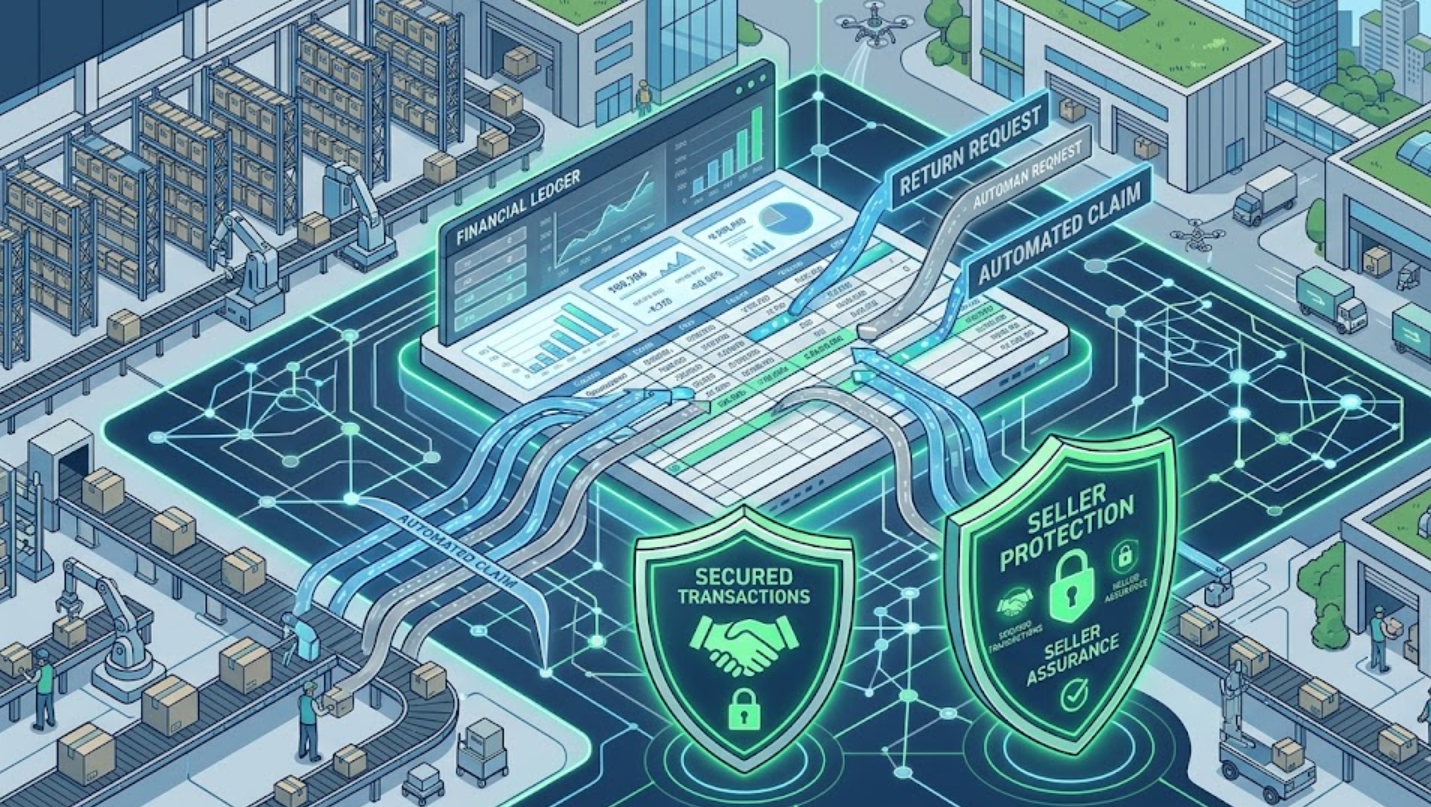
Navigating Amazon's A-to-Z Guarantee: Mitigating Seller-Funded Return Abuse
Amazon's automated A-to-Z Guarantee claims and escalating return abuse present a critical financial challenge for e-commerce sellers, often leading to uninvestigated, seller-funded losses. This trend, exacerbated by strict enforcement of doctrines like the First Sale Rule, necessitates proactive strategies to protect seller profitability. Understanding these dynamics and implementing robust mitigation tactics is essential for sustainable online business operations.
2026-04-29


