

Definition
The consignee is the specific party named in the shipping documents (such as the Bill of Lading or Air Waybill) to whom the ownership of the goods will legally transfer when the cargo is released at the destination. This individual or entity is responsible for accepting the shipment and fulfilling necessary customs obligations and local delivery charges upon arrival.
The term 'consignee' is often used interchangeably with 'receiver,' but its official designation carries significant legal implications regarding liability, risk transfer, and regulatory clearance.
Core Function
The primary function of the consignee centers on ownership transfer, customs clearance, and acceptance of risk at the destination point.
• Acceptance of Liability: Once the goods are officially released by the carrier and customs, the consignee assumes liability for the physical cargo and any demurrage or storage charges incurred.
• Customs Clearance: The consignee, or their appointed customs broker, must file the necessary documentation to clear the shipment through the destination country’s customs authority.
• Distinguishing Roles: While the consignee takes legal title upon release, the ultimate consignee is the final, true recipient or end-user of the goods. For complex shipments involving distribution centers or fulfillment partners, these two entities must be documented separately.
Expert Advice
For U.S. businesses engaging in foreign trade, accurate documentation regarding the consignee and ultimate consignee is mandatory for import and export compliance. When a foreign entity is importing goods, the U.S. business initiating the shipment will often need to act as the ultimate consignee on compliance filings to satisfy regulatory traceability requirements, even if the primary logistics documents designate a local distributor as the handling consignee.
Always ensure the consignee’s full legal name, address, and required tax identification numbers are accurately listed on all commercial invoices and transport documents. Errors in these details are the leading cause of customs holds and administrative fines.
Key Takeaways
• The consignee gains legal ownership upon cargo release.
• The ultimate consignee is the physical end-user or final buyer.
• Accurate identification of both parties is essential for customs compliance and smooth cargo flow.
• In the absence of an intermediary, the consignee and ultimate consignee are typically the same entity.
-

Navigating Amazon's Account Level Reserve (ALR) and Cash Flow Throttling: A Guide for Sellers
Amazon's Account Level Reserve (ALR) and "Delivery Date + 7 days" (DD+7) disbursement policies are severely impacting seller cash flow, making it challenging to pay suppliers and restock inventory. Understanding these mechanisms is crucial for maintaining financial stability and operational efficiency in e-commerce. Strategic logistics and proactive financial planning can help mitigate these significant funding delays.
2026-05-06
-
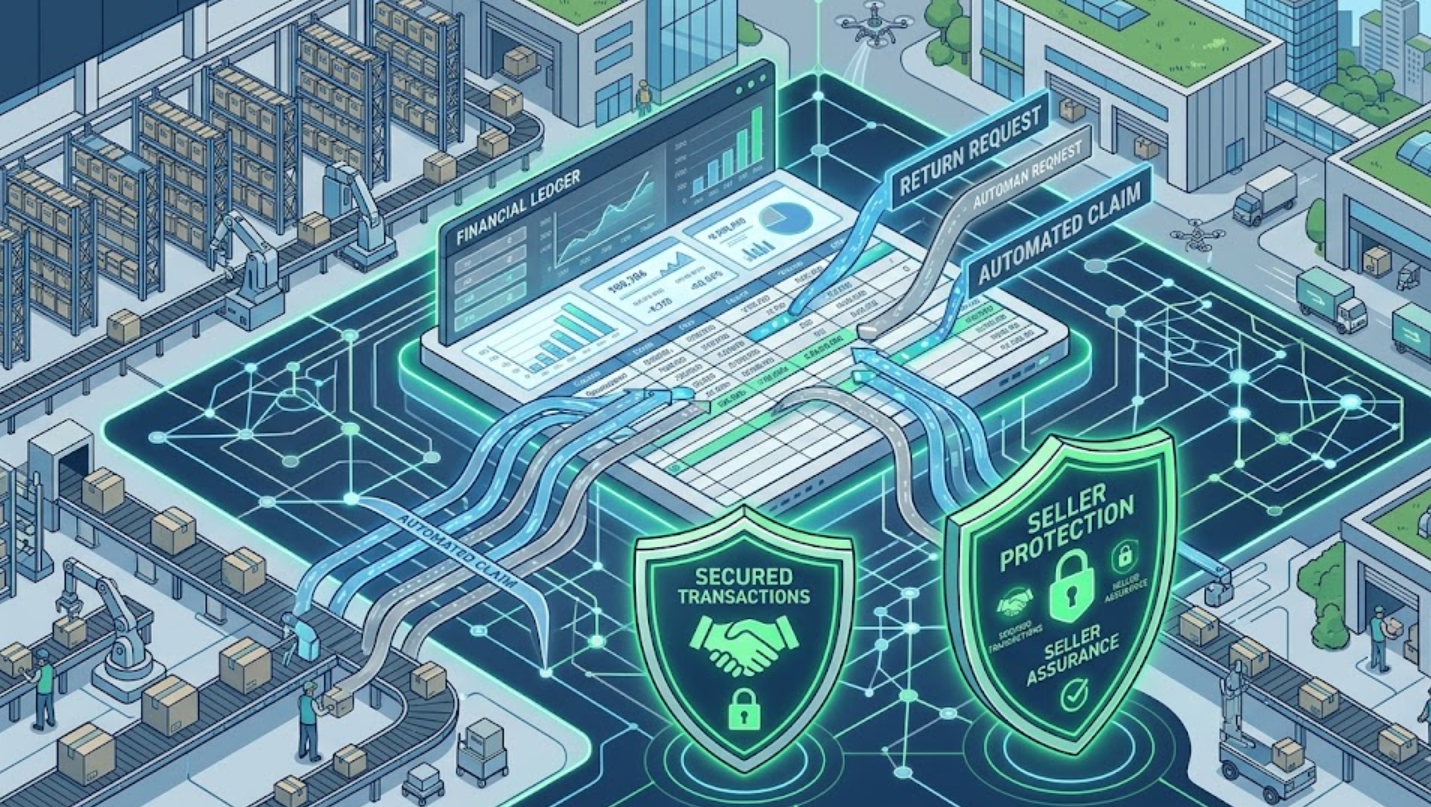
Navigating Amazon's A-to-Z Guarantee: Mitigating Seller-Funded Return Abuse
Amazon's automated A-to-Z Guarantee claims and escalating return abuse present a critical financial challenge for e-commerce sellers, often leading to uninvestigated, seller-funded losses. This trend, exacerbated by strict enforcement of doctrines like the First Sale Rule, necessitates proactive strategies to protect seller profitability. Understanding these dynamics and implementing robust mitigation tactics is essential for sustainable online business operations.
2026-04-29


