

Definition
The Commerce Control List (CCL) is a comprehensive catalog of items subject to the jurisdiction of the Bureau of Industry and Security (BIS) within the U.S. Department of Commerce. It serves as the primary tool for exporters to self-classify their products and confirm necessary licensing requirements before shipping goods outside the United States.
Core Function and Structure
The CCL’s main function is to facilitate the classification process, which results in the assignment of a unique five-digit alphanumeric code called the Export Control Classification Number (ECCN). The structure of the ECCN directly corresponds to the item's placement within the CCL's detailed framework. The CCL is organized into ten Categories and five Product Groups:
Categories (0-9):
• 0 - Nuclear Materials, Facilities, and Equipment (and Misc.)
• 1 - Materials, Chemicals, Microorganisms, and Toxins
• 2 - Materials Processing
• 3 - Electronics
• 4 - Computers
• 5 - Telecommunications and Information Security
• 6 - Lasers and Sensors
• 7 - Navigation and Avionics
• 8 - Marine
• 9 - Propulsion Systems, Space Vehicles, and Related Equipment
Product Groups (A-E):
• A - Equipment, Assemblies, and Components
• B - Test, Inspection, and Production Equipment
• C - Materials
• D - Software
• E - Technology
For example, an ECCN like 4E001 indicates Category 4 (Computers) and Product Group E (Technology).
Expert Compliance Advice
Misclassification based on the CCL is a major source of export violation penalties. Exporters must exercise meticulous due diligence, often requiring specialized logistics or legal counsel, to determine the correct ECCN. Never rely solely on manufacturer provided ECCNs without independent verification. If an item is subject to the EAR but not specifically listed on the CCL, it is designated as EAR99, which usually means no license is required for export to most destinations.
Key Takeaways
• The CCL determines if a Department of Commerce export license is needed.
• The CCL’s structure (10 categories, 5 groups) generates the ECCN.
• CCL classification is mandatory for compliance under the Export Administration Regulations (EAR).
• Failure to correctly use the CCL can result in substantial administrative fines and shipping restrictions.
-

Navigating Amazon's Account Level Reserve (ALR) and Cash Flow Throttling: A Guide for Sellers
Amazon's Account Level Reserve (ALR) and "Delivery Date + 7 days" (DD+7) disbursement policies are severely impacting seller cash flow, making it challenging to pay suppliers and restock inventory. Understanding these mechanisms is crucial for maintaining financial stability and operational efficiency in e-commerce. Strategic logistics and proactive financial planning can help mitigate these significant funding delays.
2026-05-06
-
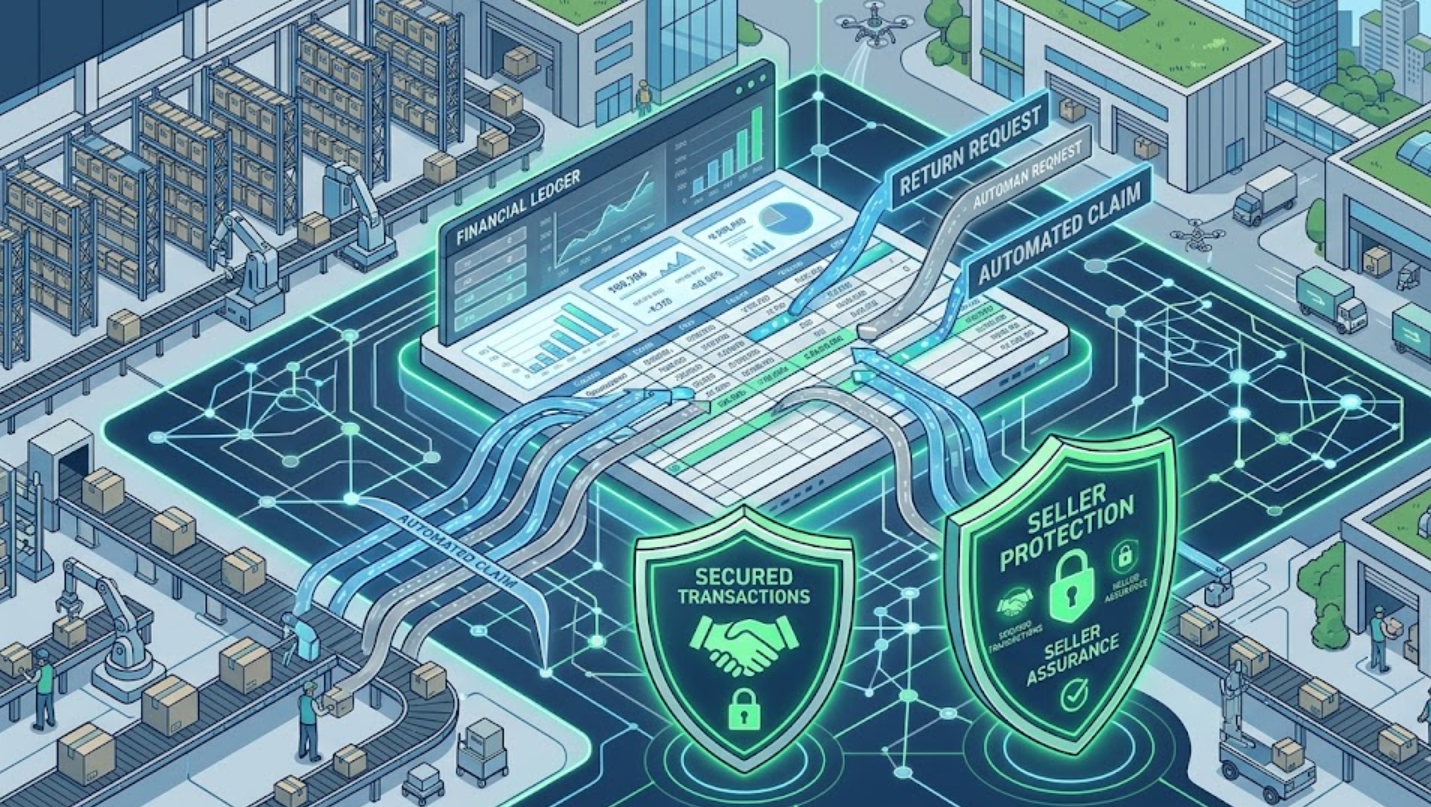
Navigating Amazon's A-to-Z Guarantee: Mitigating Seller-Funded Return Abuse
Amazon's automated A-to-Z Guarantee claims and escalating return abuse present a critical financial challenge for e-commerce sellers, often leading to uninvestigated, seller-funded losses. This trend, exacerbated by strict enforcement of doctrines like the First Sale Rule, necessitates proactive strategies to protect seller profitability. Understanding these dynamics and implementing robust mitigation tactics is essential for sustainable online business operations.
2026-04-29


