

Definition
A Co-Loader is an intermediary logistics provider. Operating within the Less than Container Load (LCL) segment, they act as consolidators, pooling cargo from various shippers or Non-Vessel Operating Common Carriers (NVOCCs) to achieve a container load density necessary for efficient ocean transport. They are essential for maximizing utilization and minimizing the frequency of partially empty container movements.
Core Process
The co-loading process begins when multiple small LCL bookings are aggregated by the co-loader. They receive the cargo at their Container Freight Station (CFS) or designated warehouse. The shipments are systematically processed, documented, and physically loaded ("stuffed") into a single ocean container. Once sealed and fully utilized, the co-loader hands this consolidated FCL unit, under a Master Bill of Lading, to the main ocean carrier for transit. This efficient practice often results in faster transit times and competitive freight rates for the individual shipper.
Expert Advice
For logistics managers utilizing LCL shipping, understanding the role of the co-loader is key to supply chain optimization. While often working behind the scenes for your main freight forwarder, their selection impacts rate competitiveness and service frequency. Always verify that your chosen forwarder utilizes reliable co-loaders with strong capacity contracts and a global network. High-volume co-loaders often provide better schedule reliability than lower-volume forwarders attempting direct LCL consolidation.
Key Takeaways
• Co-loaders specialize solely in LCL cargo consolidation.
• They convert multiple LCL shipments into a single FCL shipment for ocean carriers.
• Co-loading increases container utilization (stuffing) efficiency.
• Utilizing co-loaders often results in lower rates and reliable schedules for small shipments.
-

Navigating Amazon's Account Level Reserve (ALR) and Cash Flow Throttling: A Guide for Sellers
Amazon's Account Level Reserve (ALR) and "Delivery Date + 7 days" (DD+7) disbursement policies are severely impacting seller cash flow, making it challenging to pay suppliers and restock inventory. Understanding these mechanisms is crucial for maintaining financial stability and operational efficiency in e-commerce. Strategic logistics and proactive financial planning can help mitigate these significant funding delays.
2026-05-06
-
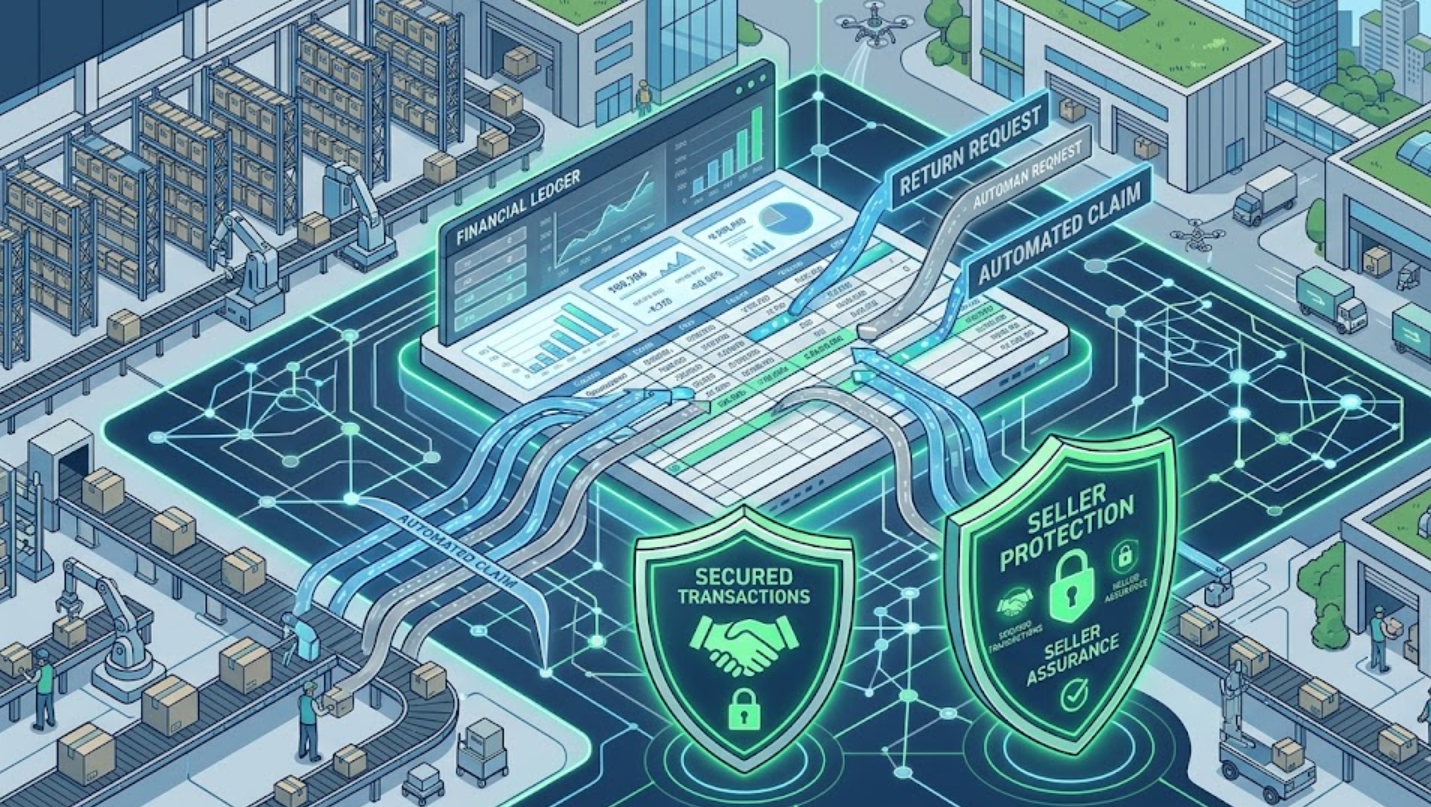
Navigating Amazon's A-to-Z Guarantee: Mitigating Seller-Funded Return Abuse
Amazon's automated A-to-Z Guarantee claims and escalating return abuse present a critical financial challenge for e-commerce sellers, often leading to uninvestigated, seller-funded losses. This trend, exacerbated by strict enforcement of doctrines like the First Sale Rule, necessitates proactive strategies to protect seller profitability. Understanding these dynamics and implementing robust mitigation tactics is essential for sustainable online business operations.
2026-04-29


