

Definition
A Closed Area is a specific, temporarily inaccessible part of a marine terminal or container yard. This designation, imposed solely by the terminal operator, prevents external trucking companies or drayage providers from accessing and recovering containers stored within that area. These restricted areas are often established during periods of severe terminal congestion, operational backlogs, or temporary safety concerns.
Impact on Last Free Day (LFD)
The designation of a container being stored in a Closed Area has a direct and beneficial impact on the shipper's demurrage liability timeline. When a container is deemed inaccessible due to a Closed Area:
• The Last Free Day (LFD) clock immediately stops.
• The accumulation of demurrage charges is suspended.
This suspension remains in effect until the container is either moved internally to an accessible location within the yard, or the Closed Area designation is officially lifted by the terminal. The LFD will be extended by the exact duration the container was deemed inaccessible.
Operational Reality and Expert Advice
A Closed Area designation is entirely outside the control of the cargo owner, freight forwarder, or drayage provider. These closures are typically implemented due to high congestion, and unfortunately, there is no viable strategy or operational maneuver that can mitigate or expedite the container's release.
The duration of these closures is highly variable, potentially lasting from a few hours to a number of days. Logistical teams must monitor terminal status updates closely and adjust pickup schedules immediately upon notification that the container has been moved or made accessible.
Key Takeaways
• Closed Areas are terminal-imposed restrictions preventing container pickup.
• The designation stops the LFD clock, temporarily mitigating demurrage risk.
• The situation is non-mitigable; waiting for terminal action is the only recourse.
• LFD extensions precisely match the length of the container's inaccessibility.
-

Navigating Amazon's Account Level Reserve (ALR) and Cash Flow Throttling: A Guide for Sellers
Amazon's Account Level Reserve (ALR) and "Delivery Date + 7 days" (DD+7) disbursement policies are severely impacting seller cash flow, making it challenging to pay suppliers and restock inventory. Understanding these mechanisms is crucial for maintaining financial stability and operational efficiency in e-commerce. Strategic logistics and proactive financial planning can help mitigate these significant funding delays.
2026-05-06
-
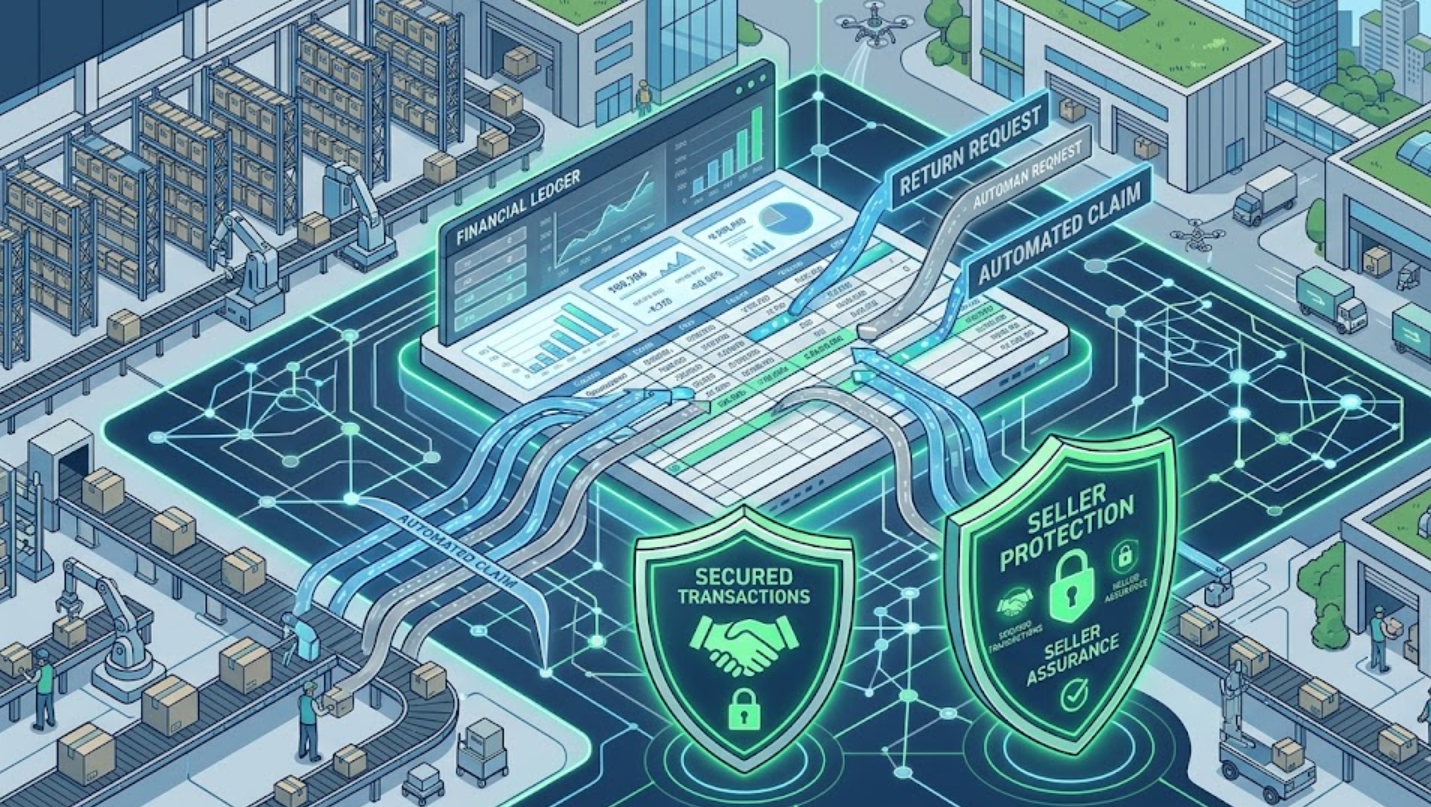
Navigating Amazon's A-to-Z Guarantee: Mitigating Seller-Funded Return Abuse
Amazon's automated A-to-Z Guarantee claims and escalating return abuse present a critical financial challenge for e-commerce sellers, often leading to uninvestigated, seller-funded losses. This trend, exacerbated by strict enforcement of doctrines like the First Sale Rule, necessitates proactive strategies to protect seller profitability. Understanding these dynamics and implementing robust mitigation tactics is essential for sustainable online business operations.
2026-04-29


