

Definition
The Clean Truck Fee is an environmental levy applied specifically to cargo moving through the ports of Los Angeles (POLA) and Long Beach (POLB). It is designed to fund initiatives that accelerate the transition toward zero- and near-zero emission truck technologies in the drayage fleet serving the port complex.
This fee is assessed per twenty-foot equivalent unit (TEU) and is mandatory for containers hauled by older, less compliant trucks.
Core Function and Application
The fee is integral to the overall Clean Air Action Plan (CAAP). By making older, higher-emission trucks more expensive to operate, the ports effectively push logistics providers to adopt cleaner, more modern fleets.
How it appears on documentation:
• Typically categorized as a destination charge on your invoice.
• Depending on the trucking carrier used by your Logistics Consulting firm, this charge may be bundled within a broader Pickup & Delivery rate, or it may be itemized separately.
• If applicable, the Clean Truck Fee will be clearly displayed on the quote or final invoice as a separate destination charge line item.
Expert Advice and Key Takeaways
When forecasting total landed costs for shipments moving through Southern California, always account for this environmental surcharge. Given the ports' continuous commitment to environmental targets, regulatory fees like the Clean Truck Fee are likely to remain a permanent fixture of port economics.
Key Takeaways:
• Exclusively applies to the Ports of Los Angeles and Long Beach.
• Directly tied to the Clean Air Action Plan (CAAP).
• Used to fund the transition to cleaner drayage fleets.
• Always review the destination charges section of your quote for accurate cost allocation.
-

Navigating Amazon's Account Level Reserve (ALR) and Cash Flow Throttling: A Guide for Sellers
Amazon's Account Level Reserve (ALR) and "Delivery Date + 7 days" (DD+7) disbursement policies are severely impacting seller cash flow, making it challenging to pay suppliers and restock inventory. Understanding these mechanisms is crucial for maintaining financial stability and operational efficiency in e-commerce. Strategic logistics and proactive financial planning can help mitigate these significant funding delays.
2026-05-06
-
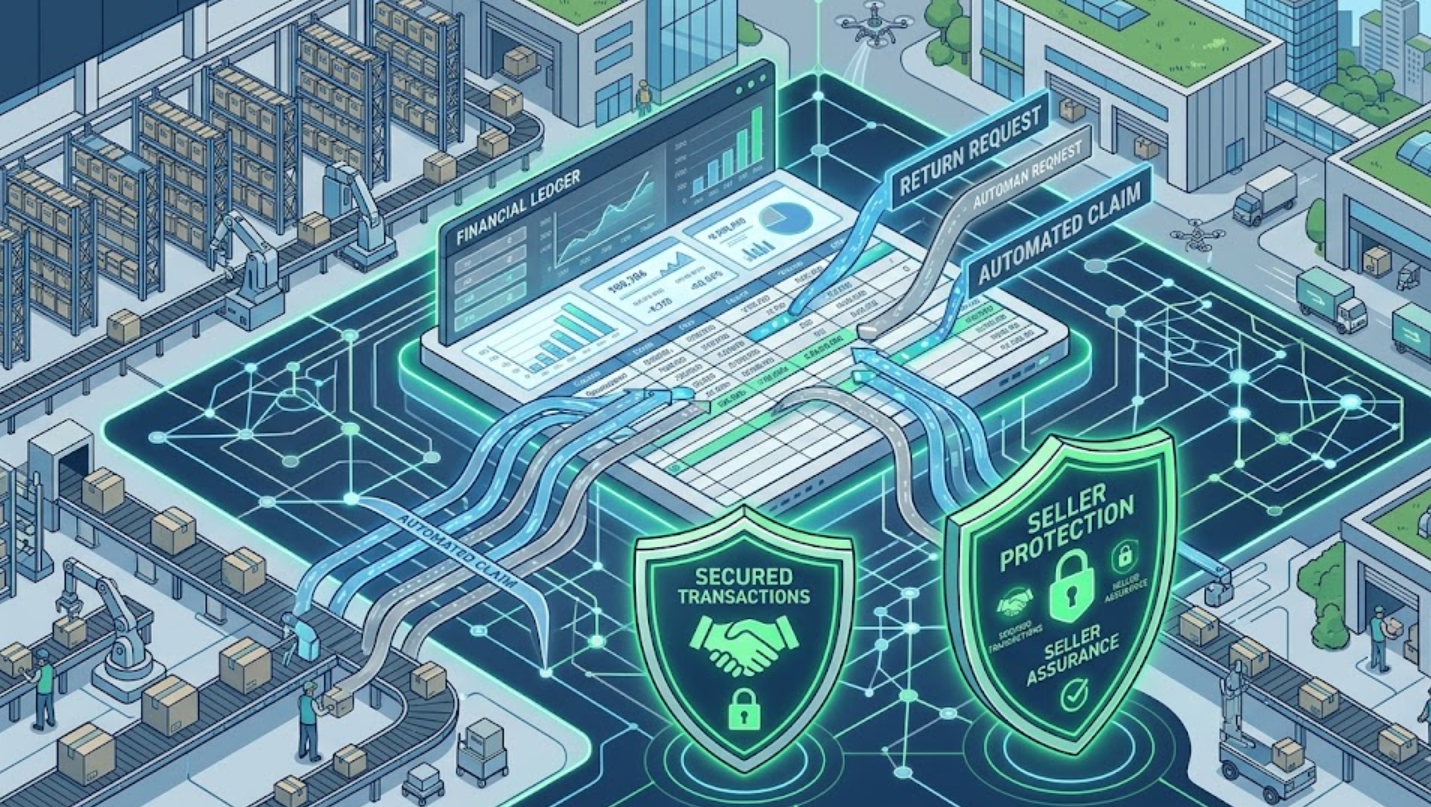
Navigating Amazon's A-to-Z Guarantee: Mitigating Seller-Funded Return Abuse
Amazon's automated A-to-Z Guarantee claims and escalating return abuse present a critical financial challenge for e-commerce sellers, often leading to uninvestigated, seller-funded losses. This trend, exacerbated by strict enforcement of doctrines like the First Sale Rule, necessitates proactive strategies to protect seller profitability. Understanding these dynamics and implementing robust mitigation tactics is essential for sustainable online business operations.
2026-04-29


