

Definition
Chinese New Year (CNY) is the largest Chinese celebration, marking the transition of the traditional lunisolar Chinese calendar. The date varies each year, typically falling between late January and mid-February. For logistics professionals, CNY signifies a mandatory, system-wide shutdown of manufacturing and shipping infrastructure throughout China and other parts of Asia.
Logistical Impact
The primary logistical challenge stems from the mass migration (Chunyun) of hundreds of millions of factory workers traveling to their hometowns. This results in far more than just a one-week closure:
• Factory Closures: Factories are generally closed for the core holiday week, but production slows significantly 1-2 weeks prior as workers leave early, and only ramps up gradually 1-2 weeks after the official holiday.
• Capacity Reduction: Total diminished operational capacity (factories, ports, inland transport) often spans a four-week period or more.
• Port Congestion: Massive surges in booking activity occur immediately before the holiday cut-off dates, leading to pre-CNY port congestion and skyrocketing freight rates.
• Post-CNY Delays: A frequent problem is the slow return rate of factory staff. Capacity often remains diminished for several weeks after the holiday, leading to significant backlogs and quality control issues as production rushes to catch up.
Expert Planning Advice
Effective management of the CNY period is essential for maintaining supply chain continuity.
• Inventory Buildup: Ship critical inventory 4-6 weeks ahead of the anticipated closure date to avoid pre-holiday congestion and rate hikes.
• Communicate Deadlines: Obtain firm shipping and production cut-off dates from suppliers 90 days in advance. Treat these dates as non-negotiable hard stops.
• Quality Control: Allocate additional QC resources immediately after the holiday to mitigate potential issues arising from rushed post-CNY production runs by inexperienced or temporary staff.
• Booking Strategy: Secure bookings 6-8 weeks prior to the shutdown. Freight capacity quickly disappears, and spot rates increase dramatically during the rush period.
Key Takeaways
CNY is not a single week of closure; it is a minimum four-week operational disruption requiring proactive planning, buffer stock, and meticulous coordination with logistics partners.
-

Navigating Amazon's Account Level Reserve (ALR) and Cash Flow Throttling: A Guide for Sellers
Amazon's Account Level Reserve (ALR) and "Delivery Date + 7 days" (DD+7) disbursement policies are severely impacting seller cash flow, making it challenging to pay suppliers and restock inventory. Understanding these mechanisms is crucial for maintaining financial stability and operational efficiency in e-commerce. Strategic logistics and proactive financial planning can help mitigate these significant funding delays.
2026-05-06
-
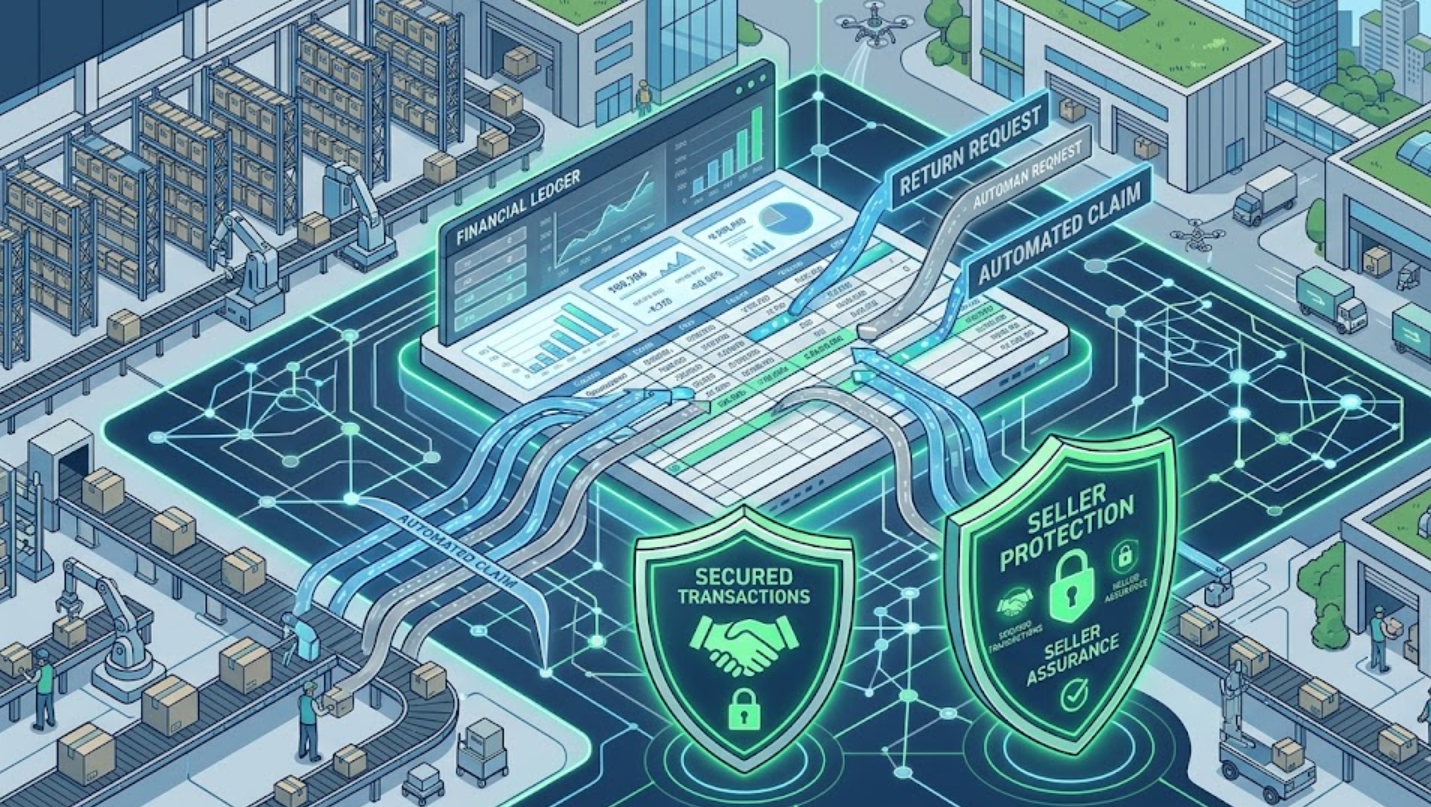
Navigating Amazon's A-to-Z Guarantee: Mitigating Seller-Funded Return Abuse
Amazon's automated A-to-Z Guarantee claims and escalating return abuse present a critical financial challenge for e-commerce sellers, often leading to uninvestigated, seller-funded losses. This trend, exacerbated by strict enforcement of doctrines like the First Sale Rule, necessitates proactive strategies to protect seller profitability. Understanding these dynamics and implementing robust mitigation tactics is essential for sustainable online business operations.
2026-04-29


