

Definition
A Chassis Split occurs when the container needing transport is not co-located with the chassis designed to carry it. This fundamental separation requires the drayage carrier to perform two separate movements: retrieving the chassis and then retrieving the container.
Core Process
This scenario most commonly arises when an ocean port or rail terminal experiences a temporary shortage of available chassis. If an ocean port doesn’t have any chassis available, the trucker may travel to a nearby chassis pool first, pick up the chassis, and then proceed to the port from there to load the container.
The fee assessed by the trucking company covers the incremental costs associated with this extra leg of travel, including mileage, fuel, and driver time. This fee ensures the carrier is compensated for bringing the necessary chassis to the container location.
Expert Advice
Shippers should recognize Chassis Split Fees as necessary ancillary charges resulting from equipment availability constraints. If applicable, the fee will appear on your invoice as a destination charge.
To proactively manage costs, shippers should inquire about terminal or port chassis availability prior to dispatch, especially during peak congestion periods. While often unavoidable, awareness helps in accurate landed cost calculations.
Key Takeaways
• A Chassis Split occurs when the container and the chassis are not located at the same physical terminal.
• The trucking company must execute two legs of travel to unite the equipment.
• A specific Chassis Split Fee is assessed to cover the additional operational costs.
• This fee is typically invoiced as a destination or ancillary charge.
-

Navigating Amazon's Account Level Reserve (ALR) and Cash Flow Throttling: A Guide for Sellers
Amazon's Account Level Reserve (ALR) and "Delivery Date + 7 days" (DD+7) disbursement policies are severely impacting seller cash flow, making it challenging to pay suppliers and restock inventory. Understanding these mechanisms is crucial for maintaining financial stability and operational efficiency in e-commerce. Strategic logistics and proactive financial planning can help mitigate these significant funding delays.
2026-05-06
-
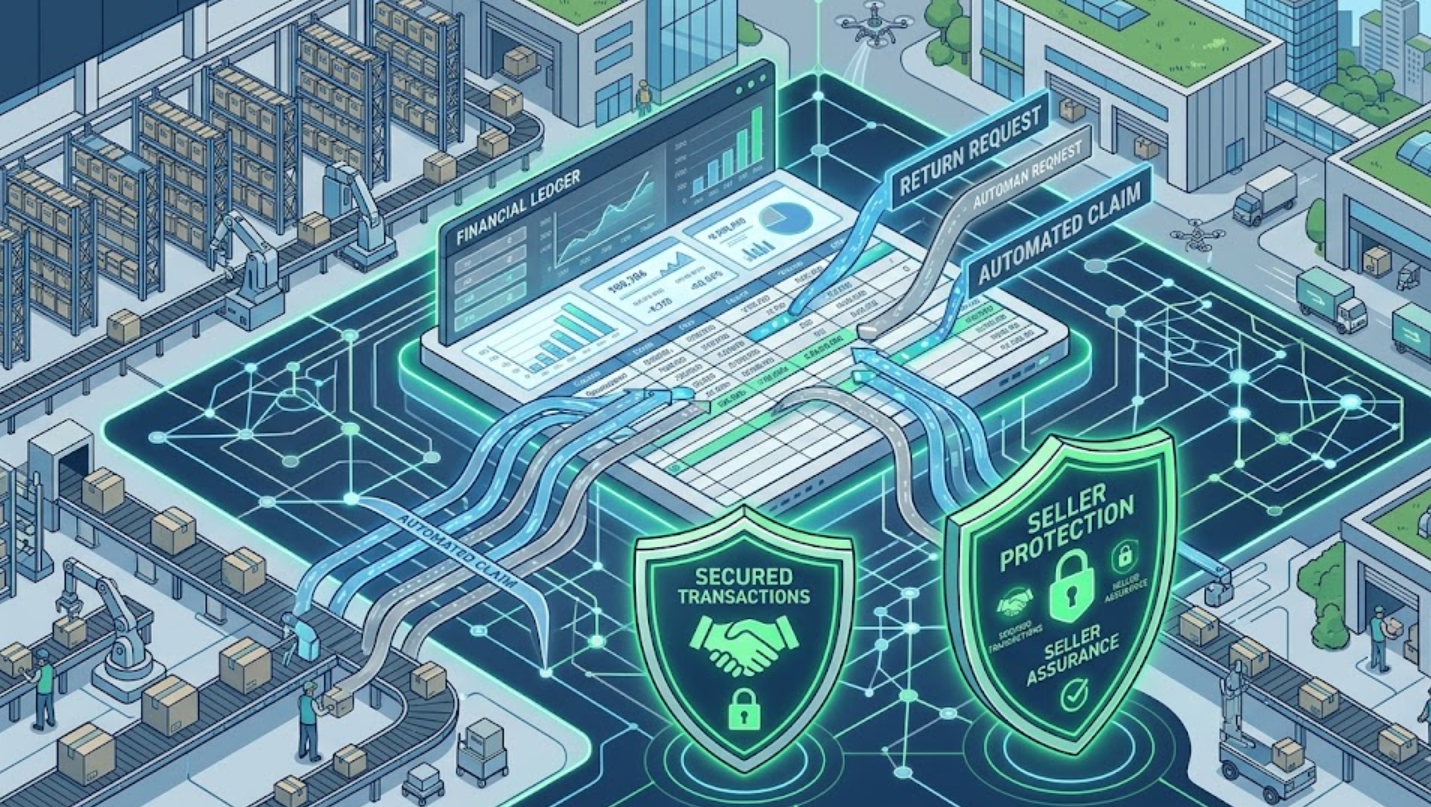
Navigating Amazon's A-to-Z Guarantee: Mitigating Seller-Funded Return Abuse
Amazon's automated A-to-Z Guarantee claims and escalating return abuse present a critical financial challenge for e-commerce sellers, often leading to uninvestigated, seller-funded losses. This trend, exacerbated by strict enforcement of doctrines like the First Sale Rule, necessitates proactive strategies to protect seller profitability. Understanding these dynamics and implementing robust mitigation tactics is essential for sustainable online business operations.
2026-04-29


