

Definition
A chassis pool is a designated location, often near ports or rail yards, where chassis are stored, maintained, and made available for rental. These pools function as shared resources, ensuring that motor carriers and truckers can quickly obtain the necessary equipment (the chassis) to mount and haul intermodal shipping containers.
Core Functions and Types
Chassis pools streamline containerized freight movement by addressing equipment scarcity and positioning challenges. Their fundamental function is equipment provisioning and inventory management. There are two primary models governing chassis pool operation:
Neutral Chassis Pool
• Description: These pools consist of third-party owned chassis that are available to ocean carriers and truckers for rental.
• Availability: Chassis are available for rental by any authorized motor carrier or trucker. This model promotes flexibility and competition.
Co-op Chassis Pool
• Description: These pools are comprised of chassis owned primarily by ocean carriers who have pooled their assets.
• Goal: The primary objective is cost reduction through shared equipment management and utilization among the participating carriers.
Operational Considerations and Fees
Accessing chassis through a pool requires coordination with the terminal and the pool operator. A key financial consideration is the "chassis split fee." This fee might apply when the location where the container is picked up is geographically separated from the location of the available chassis pool. Strategic consultants work to minimize these operational gaps to prevent unnecessary fees and delays.
Expert Advice for Logistics Managers
To optimize equipment usage and control costs within the chassis pooling ecosystem:
• Plan Reservations: Reserve chassis ahead of time, especially during peak season, to avoid long dwell times and potential shortages.
• Utilize Pool Data: Leverage real-time data regarding pool inventory levels to anticipate potential scarcity or congestion.
• Minimize Splits: Prioritize logistics plans that allow for integrated pickup/dropoff locations or street turns to avoid unnecessary chassis split fees.
Key Takeaways
Chassis pools are essential shared resources that govern the flow of intermodal freight. Understanding the difference between neutral and co-op pools allows logistics professionals to select the most cost-effective and reliable equipment source for their specific cargo needs. Efficient utilization requires planning and awareness of potential extra charges like the chassis split fee.
-

Navigating Amazon's Account Level Reserve (ALR) and Cash Flow Throttling: A Guide for Sellers
Amazon's Account Level Reserve (ALR) and "Delivery Date + 7 days" (DD+7) disbursement policies are severely impacting seller cash flow, making it challenging to pay suppliers and restock inventory. Understanding these mechanisms is crucial for maintaining financial stability and operational efficiency in e-commerce. Strategic logistics and proactive financial planning can help mitigate these significant funding delays.
2026-05-06
-
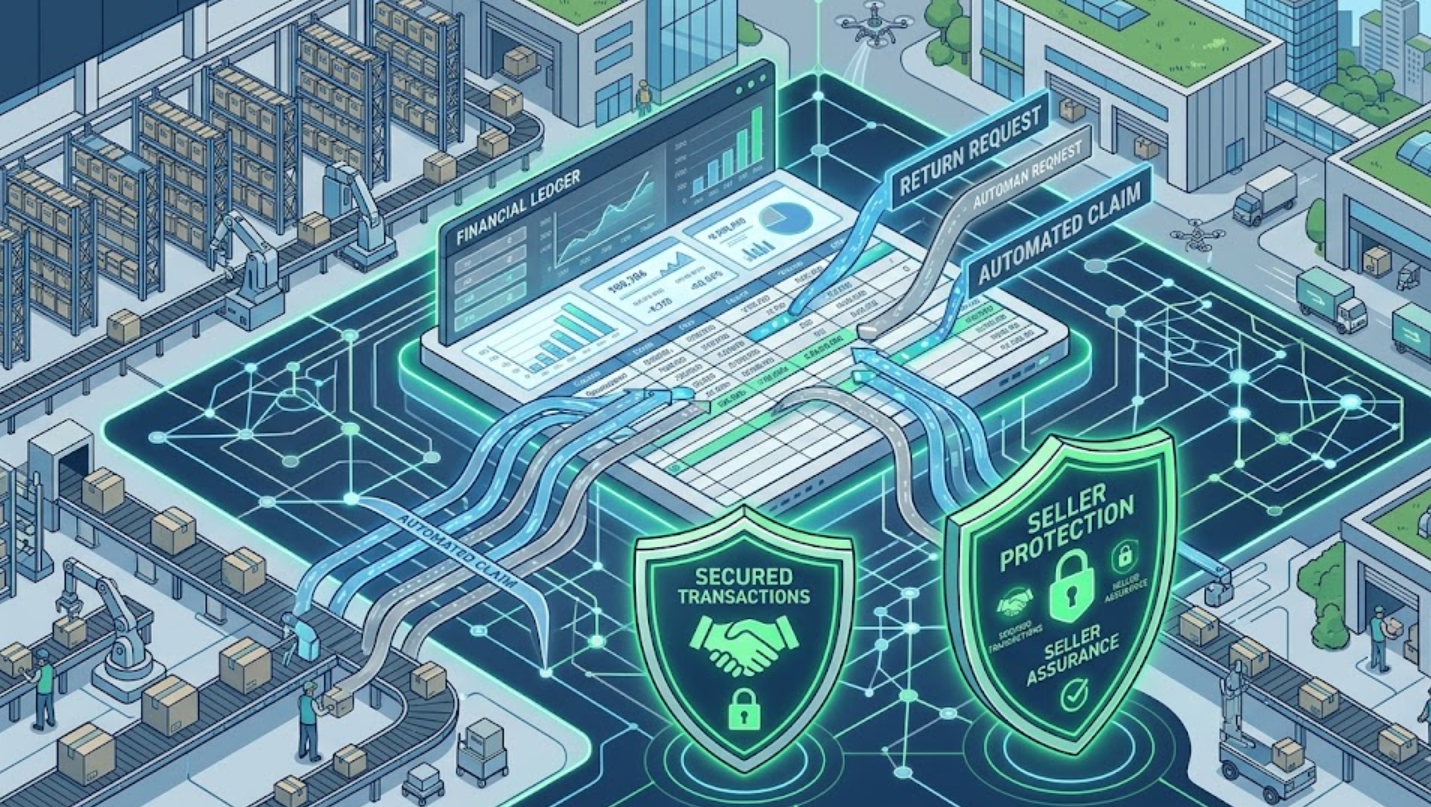
Navigating Amazon's A-to-Z Guarantee: Mitigating Seller-Funded Return Abuse
Amazon's automated A-to-Z Guarantee claims and escalating return abuse present a critical financial challenge for e-commerce sellers, often leading to uninvestigated, seller-funded losses. This trend, exacerbated by strict enforcement of doctrines like the First Sale Rule, necessitates proactive strategies to protect seller profitability. Understanding these dynamics and implementing robust mitigation tactics is essential for sustainable online business operations.
2026-04-29


