

Definition
Cartage is the process of moving goods over short distances, usually within a single city or commercial zone. In logistics, it specifically denotes the truck transport necessary to facilitate the transfer of international or domestic cargo between a main transport hub (like a port or CFS) and its subsequent local destination or origin point.
Core Function
Cartage serves as the essential link for the first or final mile of complex shipments.
• Local CFS Movement: Moving consolidated shipments (FCL/LCL) from the CFS facility to the consignee's warehouse.
• Drayage Distinction: While often used interchangeably, cartage generally implies local, often shorter-haul movements performed by specialized local carriers, focusing on rapid turnaround within the metropolitan area. Drayage often focuses specifically on moving intermodal containers to and from rail yards or ports.
• Non-Local Handling: If the final destination is outside the local cartage zone, the cargo transitions from the cartage carrier to an LTL (Less-Than-Truckload) or FTL (Full-Truckload) carrier for long-distance transit.
Expert Advice
Efficiency in cartage directly impacts customs clearance and inventory cycle times. Logistics managers must carefully vet cartage vendors based on proximity to the CFS, reliability, and insurance coverage. Utilizing carriers that offer dedicated, timed service slots can minimize demurrage and detention charges, especially in high-volume ports. Proper documentation transfer between the CFS and the cartage provider is non-negotiable for timely delivery.
Key Takeaways
• Cartage is strictly a local delivery service, defined by a specific geographical boundary.
• It links the Container Freight Station or terminal directly to the local customer.
• Proper management of cartage minimizes costly terminal storage and demurrage fees.
-

Navigating Amazon's Account Level Reserve (ALR) and Cash Flow Throttling: A Guide for Sellers
Amazon's Account Level Reserve (ALR) and "Delivery Date + 7 days" (DD+7) disbursement policies are severely impacting seller cash flow, making it challenging to pay suppliers and restock inventory. Understanding these mechanisms is crucial for maintaining financial stability and operational efficiency in e-commerce. Strategic logistics and proactive financial planning can help mitigate these significant funding delays.
2026-05-06
-
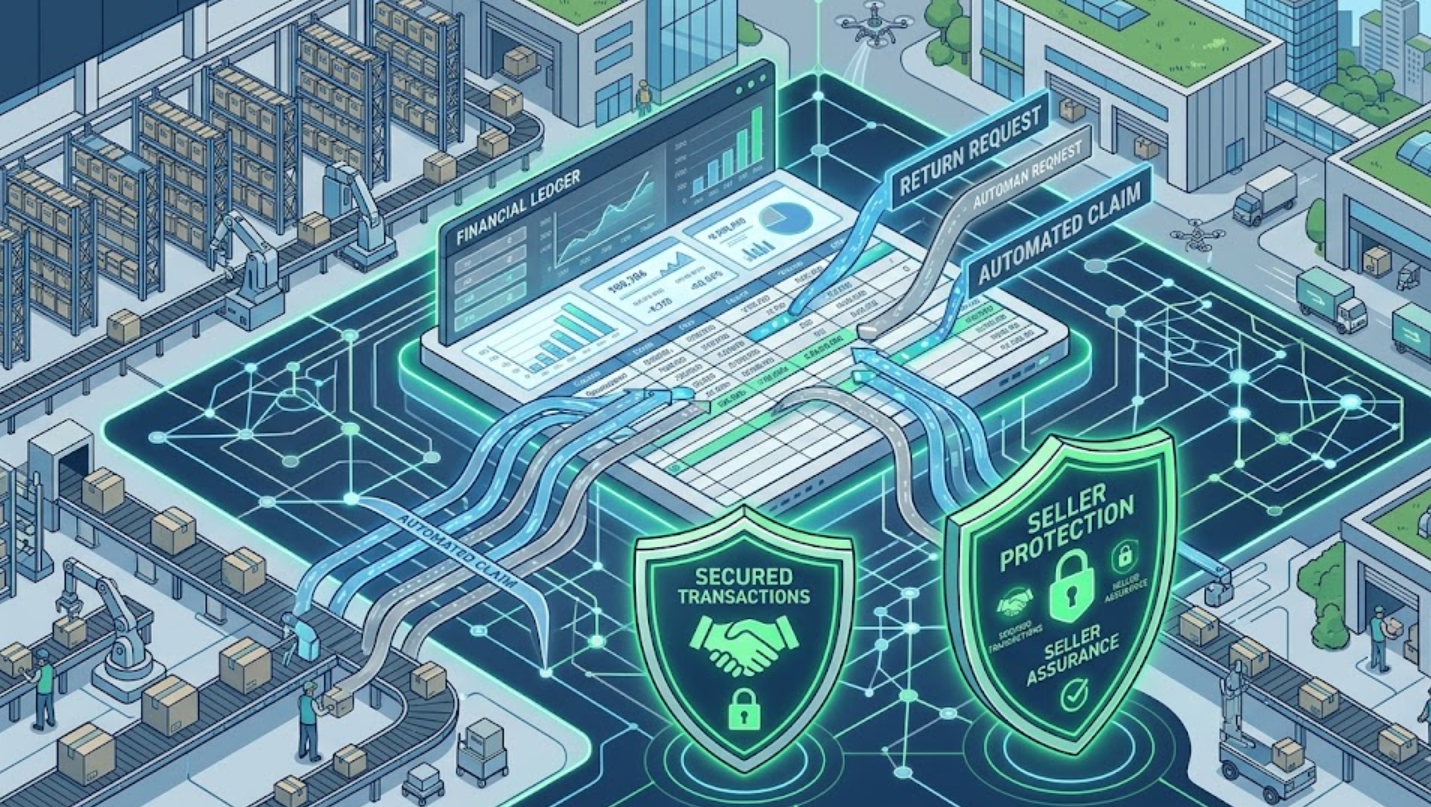
Navigating Amazon's A-to-Z Guarantee: Mitigating Seller-Funded Return Abuse
Amazon's automated A-to-Z Guarantee claims and escalating return abuse present a critical financial challenge for e-commerce sellers, often leading to uninvestigated, seller-funded losses. This trend, exacerbated by strict enforcement of doctrines like the First Sale Rule, necessitates proactive strategies to protect seller profitability. Understanding these dynamics and implementing robust mitigation tactics is essential for sustainable online business operations.
2026-04-29


