

Definition
A carrier is defined as the company or individual that physically transports freight, whether by land (truck, rail), sea (vessel), or air (aircraft). They provide the equipment, personnel, and necessary licenses to move cargo legally across defined routes.
Core Function
The primary function of a carrier is the safe and timely delivery of goods as contracted. This involves booking capacity, scheduling routes, handling required documentation (like Bills of Lading), and maintaining compliance with domestic and international transport regulations.
Carrier Types: VOCC vs. NVOCC
The term "carrier" encompasses two primary categories in ocean freight:
• VOCC (Vessel Operating Common Carrier): Often referred to as the "ocean carrier," VOCCs own and operate the vessels (ships, aircraft, trucks) and are asset-based. They are the direct movers of the cargo.
• NVOCC (Non-Vessel Operating Common Carrier): An NVOCC, such as Flexport, acts as an intermediary. They issue their own Bill of Lading but do not operate the actual vessels. They consolidate smaller shipments (LCL) and book space directly with VOCCs.
Expert Advice
When selecting a logistics partner, shippers must determine if they need the direct services of an asset-based carrier (VOCC/trucking company) or the integrated network management provided by an NVOCC/freight forwarder. NVOCCs often offer greater flexibility and better rates for less-than-container-load (LCL) shipments, while direct VOCC engagement is typical for high-volume full container load (FCL) traffic where guaranteed capacity is paramount. Always prioritize carriers with proven track records for reliability and regulatory compliance (e.g., CTPAT certification).
Key Takeaways
• Carriers are essential transporters of goods, forming the backbone of global commerce.
• Differentiate between VOCCs (asset owners) and NVOCCs (service arrangers).
• The Bill of Lading is the key contract issued by the carrier or NVOCC.
• Reliability and capacity commitments are critical carrier performance indicators.
-

Navigating Amazon's Account Level Reserve (ALR) and Cash Flow Throttling: A Guide for Sellers
Amazon's Account Level Reserve (ALR) and "Delivery Date + 7 days" (DD+7) disbursement policies are severely impacting seller cash flow, making it challenging to pay suppliers and restock inventory. Understanding these mechanisms is crucial for maintaining financial stability and operational efficiency in e-commerce. Strategic logistics and proactive financial planning can help mitigate these significant funding delays.
2026-05-06
-
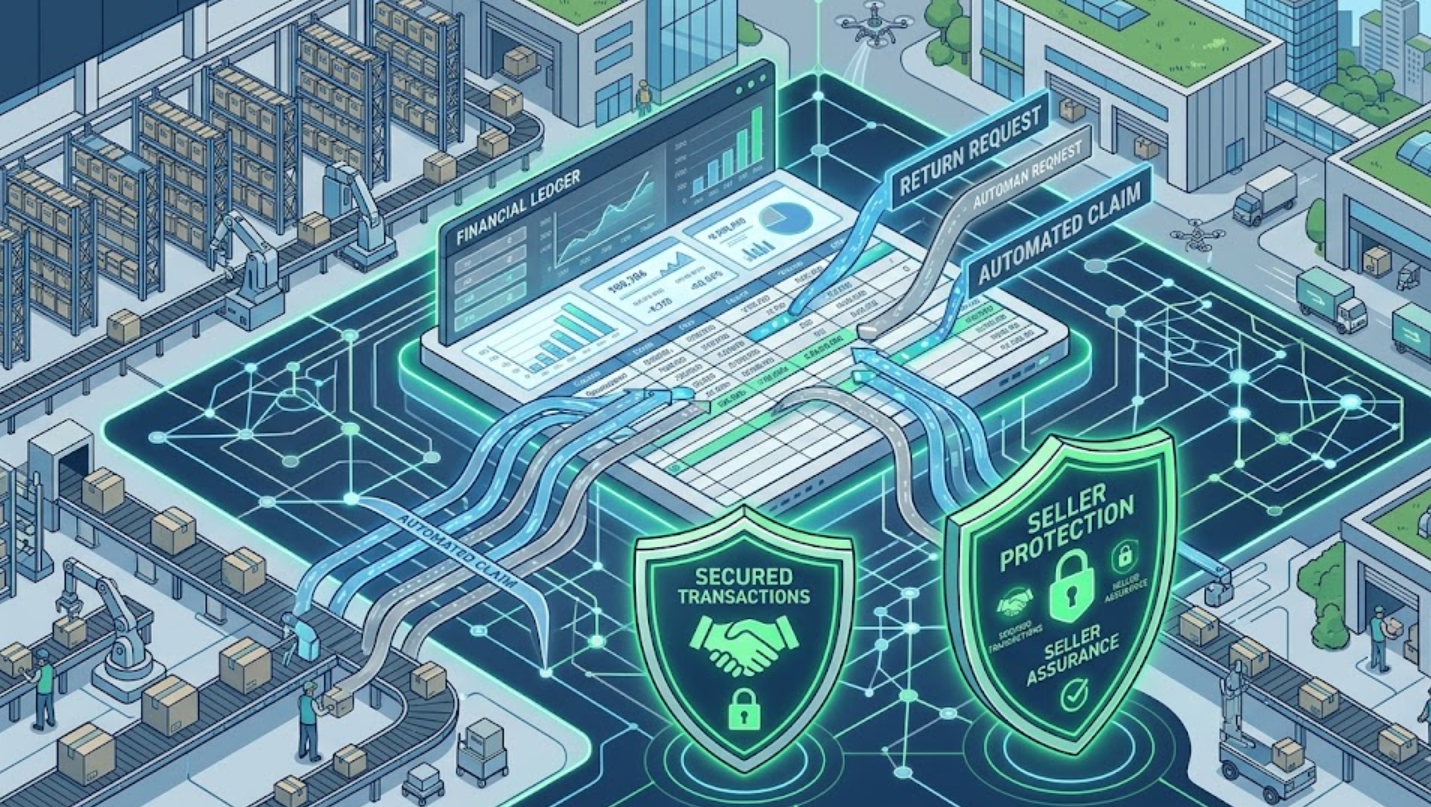
Navigating Amazon's A-to-Z Guarantee: Mitigating Seller-Funded Return Abuse
Amazon's automated A-to-Z Guarantee claims and escalating return abuse present a critical financial challenge for e-commerce sellers, often leading to uninvestigated, seller-funded losses. This trend, exacerbated by strict enforcement of doctrines like the First Sale Rule, necessitates proactive strategies to protect seller profitability. Understanding these dynamics and implementing robust mitigation tactics is essential for sustainable online business operations.
2026-04-29


