

Definition
Cargo Owners Liability Coverage (COL) is specialized insurance designed to cover the financial risks faced by the cargo owner if their goods cause harm to third parties (people or property) during the shipping process (road, rail, or ocean). This is crucial because standard cargo insurance only covers the loss or damage to the insured goods themselves, not the liability arising from them.
Core Function and Requirements
The primary function of COL is to transfer the risk of third-party claims away from the cargo owner. Carriers, shipping lines, and port authorities increasingly mandate this coverage, especially for volatile, dangerous, or environmentally sensitive materials. Failure to secure COL can result in the carrier refusing to transport the consignment, delaying the supply chain significantly. It acts as a necessary safeguard against potentially catastrophic claims if cargo causes a major accident, such as an environmental spill or a fire resulting in vessel damage.
Expert Advice for Shippers
Shippers must thoroughly review their Bill of Lading and transportation contracts to determine if Cargo Owners Liability Coverage is mandatory. Even if not explicitly required, high-risk cargo (e.g., chemicals, bulk liquids, improperly secured or overly heavy machinery) warrants proactive coverage to mitigate uninsurable risk. When structuring a policy, look closely at policy exclusions, especially those relating to known defects, regulatory non-compliance, or improper packaging, as these often provide grounds for claim denial.
Key Takeaways
• COL addresses third-party legal claims, not cargo damage or loss.
• Coverage is often mandated by the common carrier or vessel operator as a condition of transport.
• This liability coverage is essential for shippers handling hazardous materials, specialized goods, or bulk commodities.
• Consult legal and logistics experts to ensure policy limits match the maximum potential exposure.
-

Navigating Amazon's Account Level Reserve (ALR) and Cash Flow Throttling: A Guide for Sellers
Amazon's Account Level Reserve (ALR) and "Delivery Date + 7 days" (DD+7) disbursement policies are severely impacting seller cash flow, making it challenging to pay suppliers and restock inventory. Understanding these mechanisms is crucial for maintaining financial stability and operational efficiency in e-commerce. Strategic logistics and proactive financial planning can help mitigate these significant funding delays.
2026-05-06
-
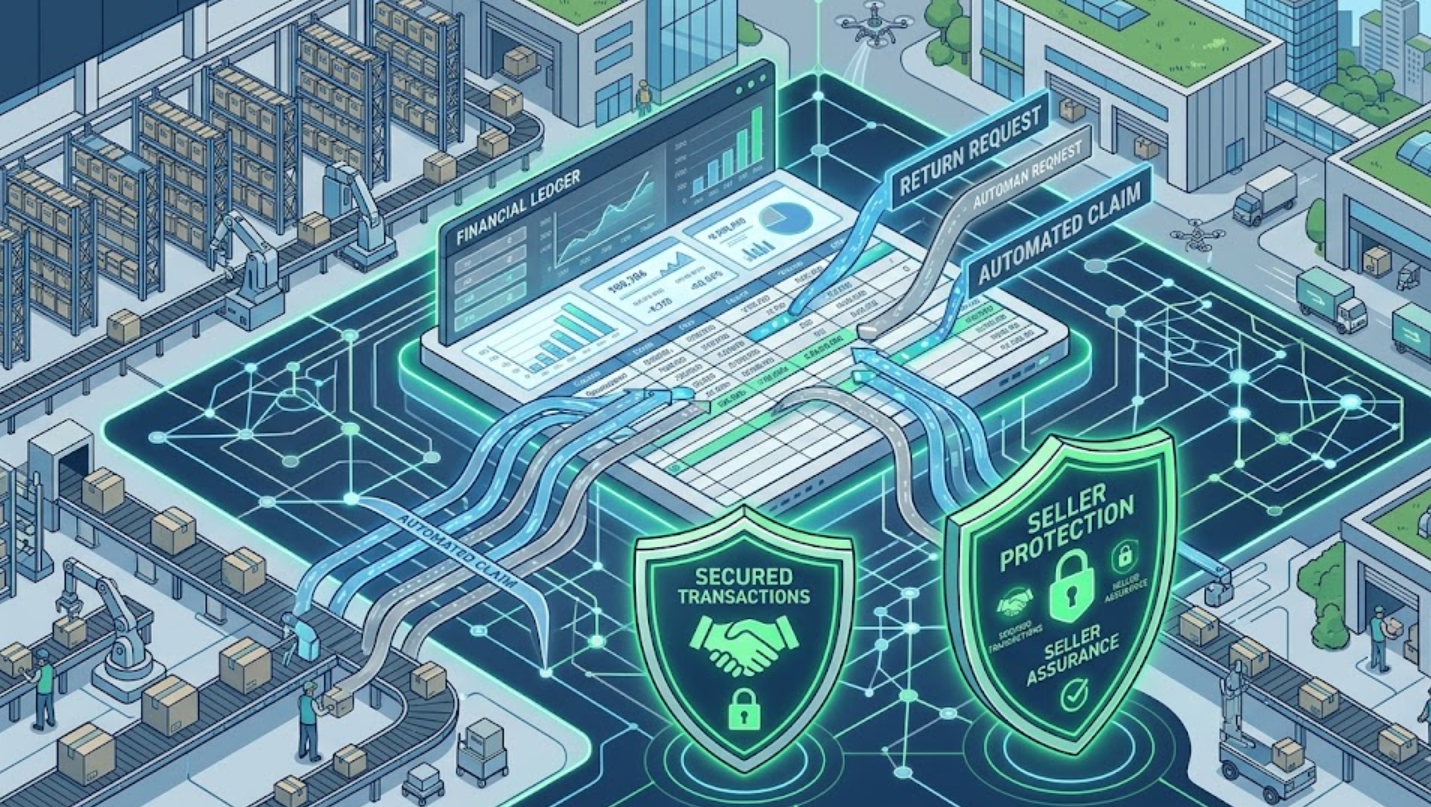
Navigating Amazon's A-to-Z Guarantee: Mitigating Seller-Funded Return Abuse
Amazon's automated A-to-Z Guarantee claims and escalating return abuse present a critical financial challenge for e-commerce sellers, often leading to uninvestigated, seller-funded losses. This trend, exacerbated by strict enforcement of doctrines like the First Sale Rule, necessitates proactive strategies to protect seller profitability. Understanding these dynamics and implementing robust mitigation tactics is essential for sustainable online business operations.
2026-04-29


