

Definition
Cargo Insurance is a specialized form of coverage purchased by the cargo owner to protect against financial loss or damage suffered by goods while being transported via land, air, or sea modalities. It is specifically tailored to address the unique risks inherent in global and domestic transportation environments, supplementing or replacing the often-limited liability offered by carriers.
Policy Function & Scope
Cargo insurance covers the declared commercial value of the goods being transported, often extending to specified related expenses associated with the cargo, such as freight costs or salvage fees.
This coverage is vital because standard carrier liability rules often limit payouts based on factors like shipment weight, which rarely reflects the true market value of the commodity. The language within the specific policy determines the exact scope of coverage and when the insurer is obligated to pay for loss or damage.
Policies can be structured in two primary ways:
• Per-shipment policies: Coverage activated for a single, specific journey.
• Term policies: Coverage provided for multiple shipments over a defined period (e.g., one year).
Expert Advice & Key Takeaways
Logistics professionals must recognize that robust cargo insurance is a foundational element of effective supply chain risk management. Policy language varies greatly, depending on the insurer and the nature of the goods being transported, making careful review paramount.
Key considerations when securing coverage include:
• Reviewing Exclusions: Always verify what specific risks, events, or commodities are explicitly excluded from coverage.
• Understanding Policy Types: Determine if an “All Risk” policy (broadest coverage) or a “Named Perils” policy (covers only specified incidents) is the most appropriate for the cargo and route.
• Declaring Full Value: Ensure the policy accurately reflects the full commercial or replacement value of the goods to avoid the risks associated with underinsurance.
-

Navigating Amazon's Account Level Reserve (ALR) and Cash Flow Throttling: A Guide for Sellers
Amazon's Account Level Reserve (ALR) and "Delivery Date + 7 days" (DD+7) disbursement policies are severely impacting seller cash flow, making it challenging to pay suppliers and restock inventory. Understanding these mechanisms is crucial for maintaining financial stability and operational efficiency in e-commerce. Strategic logistics and proactive financial planning can help mitigate these significant funding delays.
2026-05-06
-
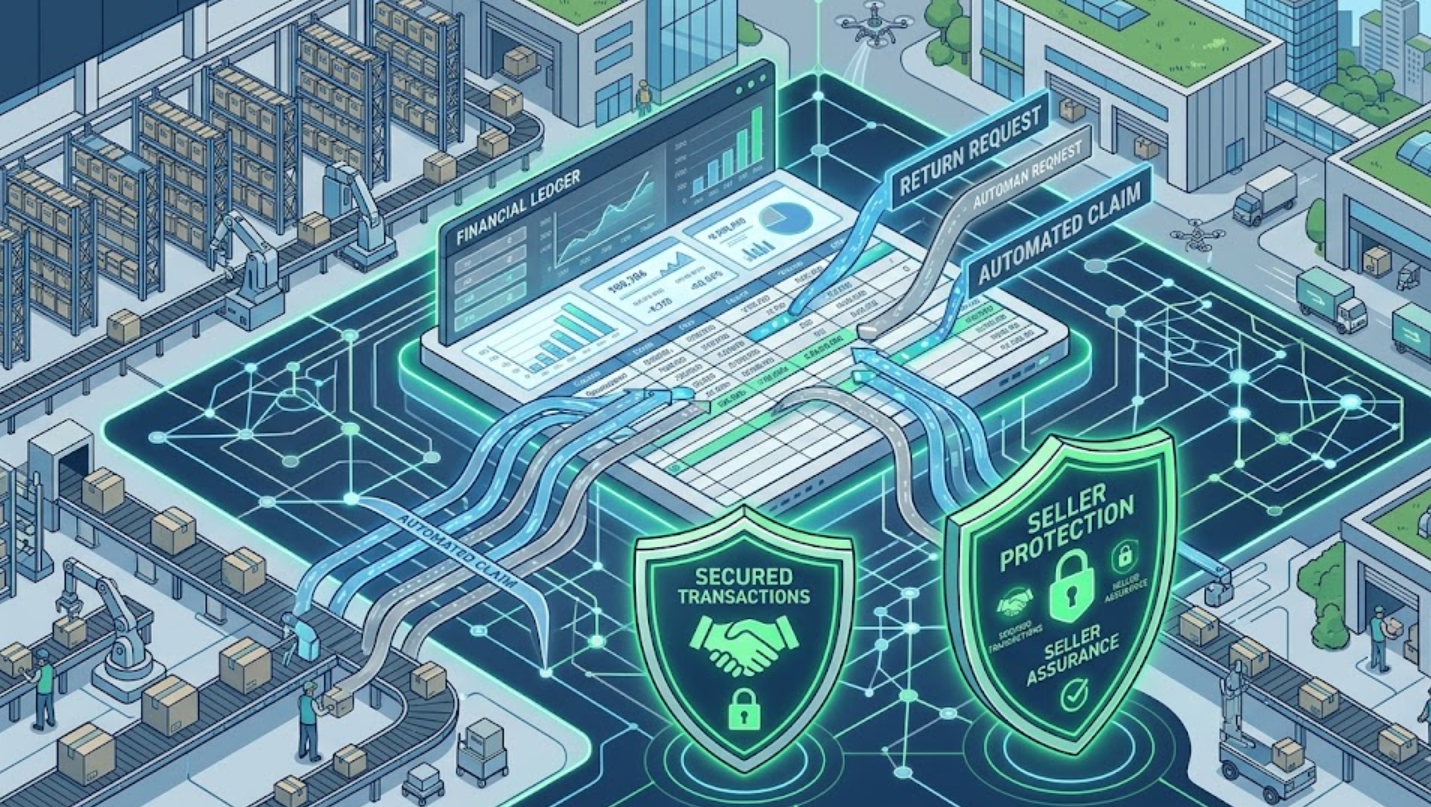
Navigating Amazon's A-to-Z Guarantee: Mitigating Seller-Funded Return Abuse
Amazon's automated A-to-Z Guarantee claims and escalating return abuse present a critical financial challenge for e-commerce sellers, often leading to uninvestigated, seller-funded losses. This trend, exacerbated by strict enforcement of doctrines like the First Sale Rule, necessitates proactive strategies to protect seller profitability. Understanding these dynamics and implementing robust mitigation tactics is essential for sustainable online business operations.
2026-04-29


