

Definition
The Carbon Tax Surcharge is a regulatory cost recovery mechanism within the Canadian logistics supply chain. It functions as a single, flat fee applied directly to container movements that originate, terminate, or transit through the designated ports in British Columbia (Prince Rupert and Vancouver).
This charge is a direct pass-through of costs imposed on ocean carriers by the provincial government's climate policy, ensuring that the environmental impact of shipping is reflected in the final transportation cost.
Core Function and Appearance
The primary function of the CTS is to address the increased operational expense faced by carriers operating within the BC jurisdiction. It ensures compliance with Canadian environmental taxation standards.
When applicable, the Carbon Tax Surcharge will appear on the logistics invoice or quote as a distinct destination charge, separate from standard terminal or freight charges.
Expert Advice for Importers
Logistics planning requires factoring in the CTS when utilizing Western Canadian ports. Although the charge is typically a flat rate per container (TEU/FEU), it can significantly impact profitability on high-volume lanes.
To mitigate unexpected costs:
• Always verify the inclusion and rate of the CTS during the initial quoting phase if shipping via Vancouver or Prince Rupert.
• Understand that the charge is non-negotiable as it reflects a mandatory regulatory tax on the carrier.
• Monitor BC policy changes, as the underlying carbon tax rate is subject to annual adjustments.
Key Takeaways
• The CTS is mandatory for container traffic moving via Prince Rupert and Vancouver.
• It is imposed by the ocean carriers, not the port authorities directly.
• It appears as a destination charge on the logistics invoice.
• It reflects the regulatory costs of the British Columbia Carbon Tax.
-

Navigating Amazon's Account Level Reserve (ALR) and Cash Flow Throttling: A Guide for Sellers
Amazon's Account Level Reserve (ALR) and "Delivery Date + 7 days" (DD+7) disbursement policies are severely impacting seller cash flow, making it challenging to pay suppliers and restock inventory. Understanding these mechanisms is crucial for maintaining financial stability and operational efficiency in e-commerce. Strategic logistics and proactive financial planning can help mitigate these significant funding delays.
2026-05-06
-
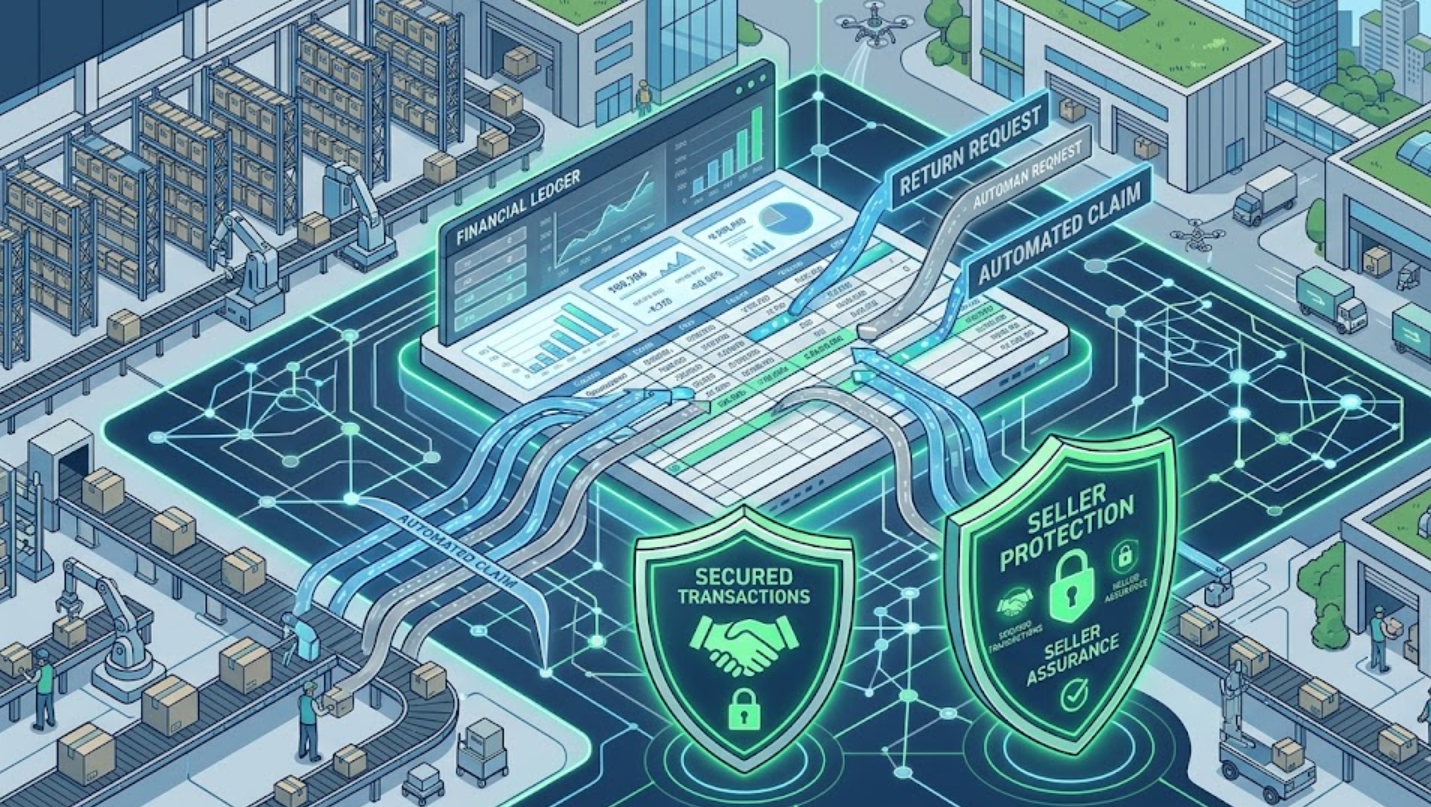
Navigating Amazon's A-to-Z Guarantee: Mitigating Seller-Funded Return Abuse
Amazon's automated A-to-Z Guarantee claims and escalating return abuse present a critical financial challenge for e-commerce sellers, often leading to uninvestigated, seller-funded losses. This trend, exacerbated by strict enforcement of doctrines like the First Sale Rule, necessitates proactive strategies to protect seller profitability. Understanding these dynamics and implementing robust mitigation tactics is essential for sustainable online business operations.
2026-04-29


