

Definition
CITES, operational since 1975, stands as an essential international agreement between governments aimed at regulating the cross-border trade of wild animals and plants. Its foundation ensures that commercial activity does not threaten the long-term survival of listed species, making it a critical component of global biodiversity conservation and logistics compliance.
Core Process
The Convention regulates trade through a tiered system categorized in three Appendices (I, II, and III), reflecting the level of threat faced by the species. For any specimen, live or derived (e.g., timber, leather goods, traditional medicines) falling under these lists, specific CITES import and export permits must be obtained prior to shipment. This permit system acts as a customs gatekeeper, ensuring traceability and legality.
Expert Advice
Logistics consultants advise clients dealing with exotic or natural goods—including specific fish, reptiles, woods, and manufactured derivatives—to integrate CITES verification into their procurement process. Failure to secure the necessary permits results in costly delays, immediate shipment seizure by customs authorities, and severe legal penalties for the shipper and importer. Always confirm the scientific nomenclature of the species against the official CITES database before initiating transport.
Key Takeaways
• CITES mandates strict control over the international movement of approximately 38,000 species.
• Both the exporting and importing countries must issue valid permits for regulated trade to proceed legally.
• Non-compliance is met with significant penalties, including cargo seizure and heavy fines.
• The specific permit requirements vary dramatically based on the species' categorization within Appendices I, II, or III.
-

Navigating Amazon's Account Level Reserve (ALR) and Cash Flow Throttling: A Guide for Sellers
Amazon's Account Level Reserve (ALR) and "Delivery Date + 7 days" (DD+7) disbursement policies are severely impacting seller cash flow, making it challenging to pay suppliers and restock inventory. Understanding these mechanisms is crucial for maintaining financial stability and operational efficiency in e-commerce. Strategic logistics and proactive financial planning can help mitigate these significant funding delays.
2026-05-06
-
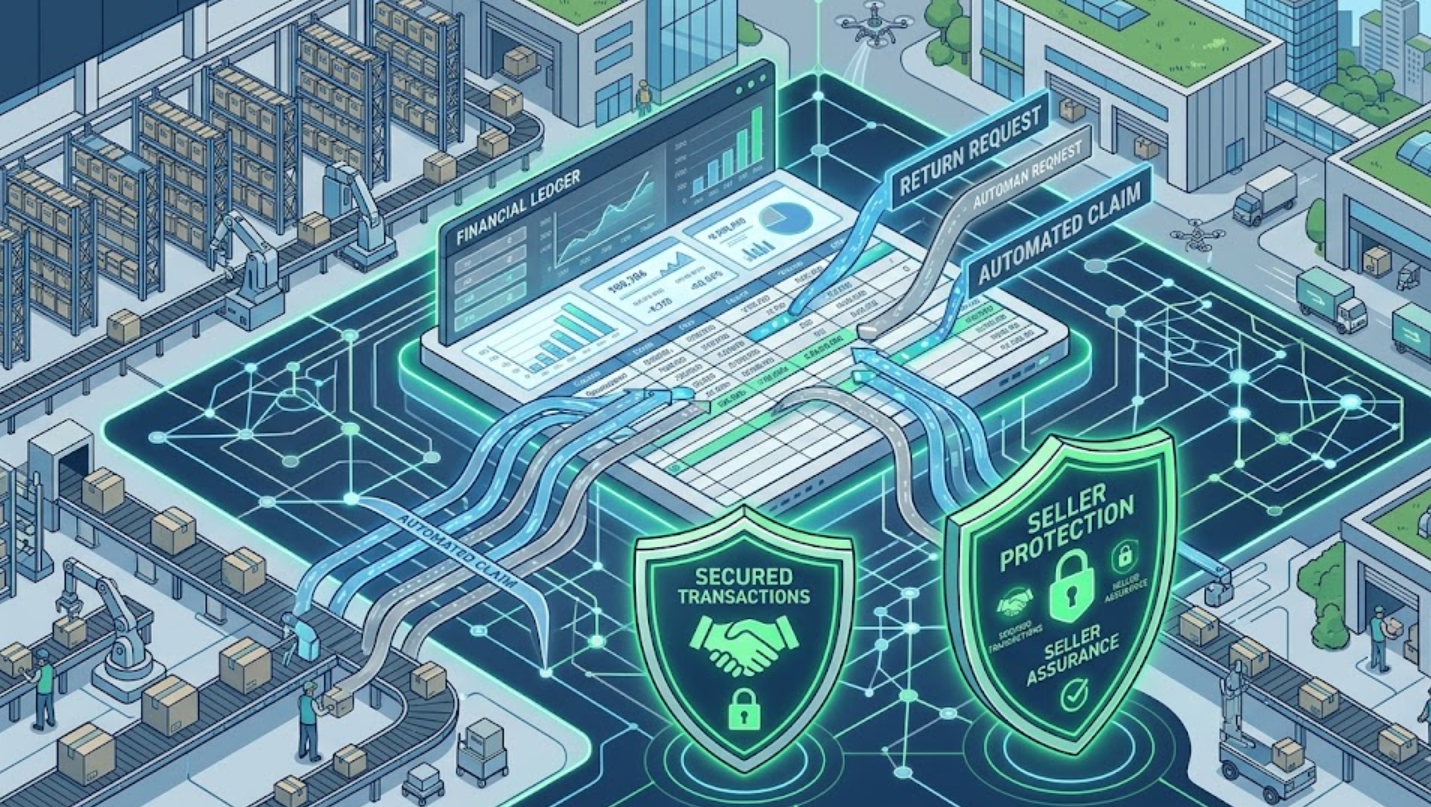
Navigating Amazon's A-to-Z Guarantee: Mitigating Seller-Funded Return Abuse
Amazon's automated A-to-Z Guarantee claims and escalating return abuse present a critical financial challenge for e-commerce sellers, often leading to uninvestigated, seller-funded losses. This trend, exacerbated by strict enforcement of doctrines like the First Sale Rule, necessitates proactive strategies to protect seller profitability. Understanding these dynamics and implementing robust mitigation tactics is essential for sustainable online business operations.
2026-04-29


