

Definition
A Container Freight Station (CFS) is a specialized warehouse facility that acts as a central hub for the handling of cargo, particularly focusing on Less than Container Load (LCL) shipments. Its primary function is the consolidation of multiple LCL shipments into Full Container Loads (FCLs) for export, and the subsequent deconsolidation of imported FCLs back into individual LCL shipments for final delivery.
Core Process
The CFS facilitates the efficient movement of LCL cargo through the supply chain:
• Origin CFS: LCL cargo is received, inspected, and consolidated (stuffed) with other compatible shipments into a single ocean container. This consolidated container is then trucked to the Container Yard (CY) before being loaded onto the vessel.
• Destination CFS: Upon arrival at the destination port, the container is transferred from the CY to the local CFS. The container is stripped (deconsolidated), and the individual LCL shipments are segregated and prepared for final pickup or last-mile delivery.
• Associated Costs: Both the origin and destination CFS facilities charge a mandatory Container Freight Station Fee (CFS Fee) to cover the costs associated with physical handling, storage, labor, and documentation involved in the stuffing and stripping processes.
Expert Advice
Logistics managers must recognize that the CFS adds crucial time to the overall transit schedule. When planning LCL shipments, factor in the CFS processing time, which can take several days beyond standard port and transit operations. Selecting a CFS known for efficiency minimizes potential delays and reduces the risk of incurring higher demurrage and detention charges down the line. Always verify that CFS fees are clearly itemized and understood, as they are non-negotiable for LCL bookings.
Key Takeaways
• The CFS is essential for efficient LCL shipping and handling.
• It performs both consolidation (stuffing) and deconsolidation (stripping).
• Cargo movement follows the path: CFS -> CY -> Vessel -> CY -> CFS.
• Container Freight Station Fees are required for LCL handling services.
-

Navigating Amazon's Account Level Reserve (ALR) and Cash Flow Throttling: A Guide for Sellers
Amazon's Account Level Reserve (ALR) and "Delivery Date + 7 days" (DD+7) disbursement policies are severely impacting seller cash flow, making it challenging to pay suppliers and restock inventory. Understanding these mechanisms is crucial for maintaining financial stability and operational efficiency in e-commerce. Strategic logistics and proactive financial planning can help mitigate these significant funding delays.
2026-05-06
-
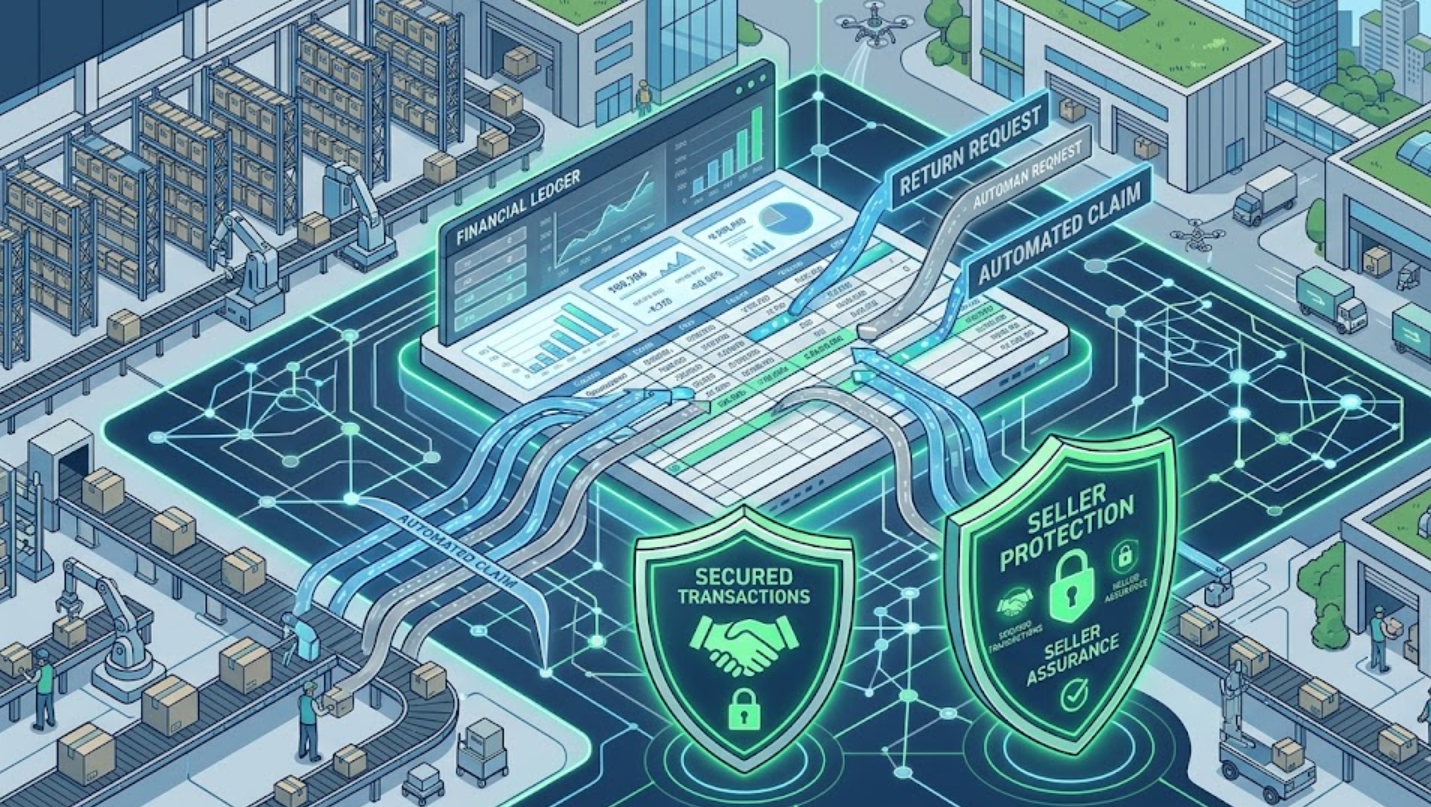
Navigating Amazon's A-to-Z Guarantee: Mitigating Seller-Funded Return Abuse
Amazon's automated A-to-Z Guarantee claims and escalating return abuse present a critical financial challenge for e-commerce sellers, often leading to uninvestigated, seller-funded losses. This trend, exacerbated by strict enforcement of doctrines like the First Sale Rule, necessitates proactive strategies to protect seller profitability. Understanding these dynamics and implementing robust mitigation tactics is essential for sustainable online business operations.
2026-04-29


