

Definition
A Centralized Examination Station (CES) is a commercial facility authorized by U.S. Customs and Border Protection (CBP) to handle the physical examination of cargo. This specialized depot is the location where CBP officers conduct necessary physical inspections of imported or exported goods that have been selected during the border screening process.
Core Process
When a container is targeted for a detailed inspection—specifically a Tail Gate exam (a cursory check of visible cargo) or an Intensive exam (a full cargo unload and detailed inspection)—it must be transported from the port or container yard to the nearest designated CES. The CES manages the complex process of unstuffing, examination, and subsequent stuffing of the container, ensuring compliance with all regulatory security requirements.
Cost Implications and Responsibility
A critical factor for supply chain budgeting is cost ownership. The importer of record is financially liable for all expenses related to the examination process. These costs are often substantial and must be settled before cargo release.
• Trucking fees for movement to the CES and onward delivery after clearance.
• The CES examination fee itself, covering labor, handling, and drayage within the facility.
• Potential storage charges if delays occur before or after the inspection or clearance.
Expert Advice
Logistics visibility and speed are paramount when a container is targeted for a CES exam. Importers must work immediately with their Customs Broker and freight forwarder to coordinate the examination appointment, as minimizing dwell time directly reduces expensive storage fees. For high-value or fragile goods, insist on clear documentation and photography from the CES operator during the unstuffing process. This documentation is crucial for claims purposes if damage is noted during handling.
-

Navigating Amazon's Account Level Reserve (ALR) and Cash Flow Throttling: A Guide for Sellers
Amazon's Account Level Reserve (ALR) and "Delivery Date + 7 days" (DD+7) disbursement policies are severely impacting seller cash flow, making it challenging to pay suppliers and restock inventory. Understanding these mechanisms is crucial for maintaining financial stability and operational efficiency in e-commerce. Strategic logistics and proactive financial planning can help mitigate these significant funding delays.
2026-05-06
-
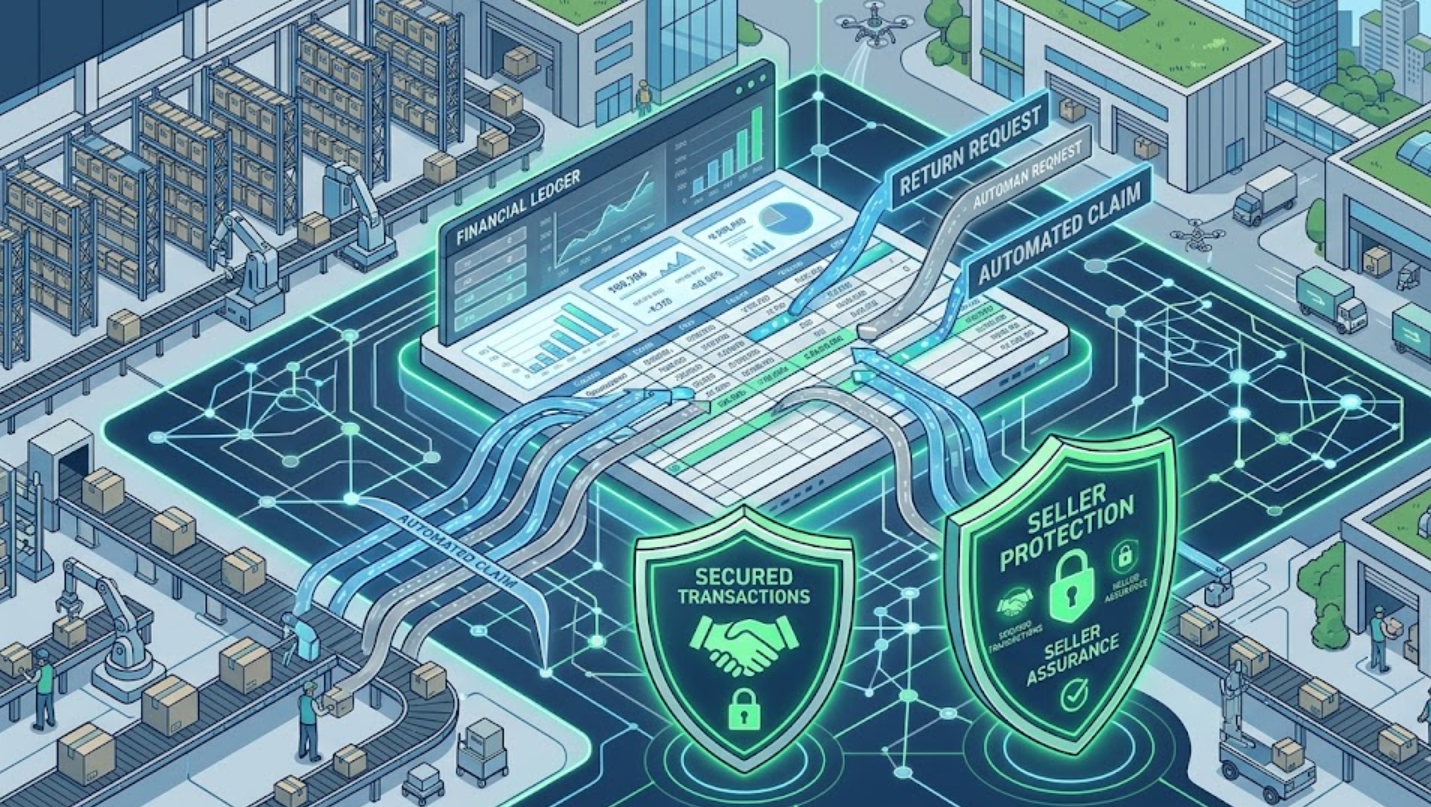
Navigating Amazon's A-to-Z Guarantee: Mitigating Seller-Funded Return Abuse
Amazon's automated A-to-Z Guarantee claims and escalating return abuse present a critical financial challenge for e-commerce sellers, often leading to uninvestigated, seller-funded losses. This trend, exacerbated by strict enforcement of doctrines like the First Sale Rule, necessitates proactive strategies to protect seller profitability. Understanding these dynamics and implementing robust mitigation tactics is essential for sustainable online business operations.
2026-04-29


