

Definition
CBP (U.S. Customs and Border Protection) is an agency of the United States Department of Homeland Security (DHS), established in 2003. It serves as the primary federal agency responsible for regulating, facilitating, and securing all international trade and travel into the U.S., balancing security needs with the efficient flow of commerce.
Core Process and Functions
CBP focuses on ensuring trade compliance, collecting revenue, and enforcing thousands of U.S. trade laws.
• Trade Regulation: Examining all required import paperwork, including commercial invoices and packing lists, to ensure proper classification and valuation.
• Duty Collection: Assessing and collecting import duties, tariffs, and fees on behalf of the U.S. government based on the Harmonized Tariff Schedule (HTS).
• Customs Exams and Enforcement: Performing physical and documentary examinations to verify merchandise identity, quantity, and compliance with U.S. standards.
Partner Government Agencies (PGAs)
CBP collaborates extensively with PGAs (Partner Government Agencies) to regulate commercially imported products that fall under specific regulatory mandates. Importers must satisfy both CBP and the relevant PGA requirements simultaneously.
Key PGAs include:
• FDA (Food and Drug Administration)
• APHIS (Animal and Plant Health Inspection Service)
• FWS (Fish and Wildlife Service)
• NMFS (National Marine Fisheries Service)
• NHTSA (National Highway Traffic Safety Administration)
Expert Advice for Importers
Proactive compliance is essential for avoiding costly delays and penalties. Logicmile advises clients to integrate CBP requirements into their supply chain planning from the sourcing stage onward.
• Utilize a Customs Broker: Ensure accurate HTS classification, proper valuation, and timely submission of all entry summaries (CBP Form 7501).
• Understand Documentation Requirements: Specific products trigger specific PGA requirements. Failure to provide necessary permits or certifications (e.g., prior notice for food products) will result in a CBP hold.
• Maintain Audit Readiness: Keep meticulous records for at least five years post-entry, as mandated by CBP regulations.
Key Takeaways
CBP is the central regulatory authority for U.S. importation. Efficient logistics hinges on strict adherence to CBP protocols and a thorough understanding of the regulations enforced by its Partner Government Agencies.
-

Navigating Amazon's Account Level Reserve (ALR) and Cash Flow Throttling: A Guide for Sellers
Amazon's Account Level Reserve (ALR) and "Delivery Date + 7 days" (DD+7) disbursement policies are severely impacting seller cash flow, making it challenging to pay suppliers and restock inventory. Understanding these mechanisms is crucial for maintaining financial stability and operational efficiency in e-commerce. Strategic logistics and proactive financial planning can help mitigate these significant funding delays.
2026-05-06
-
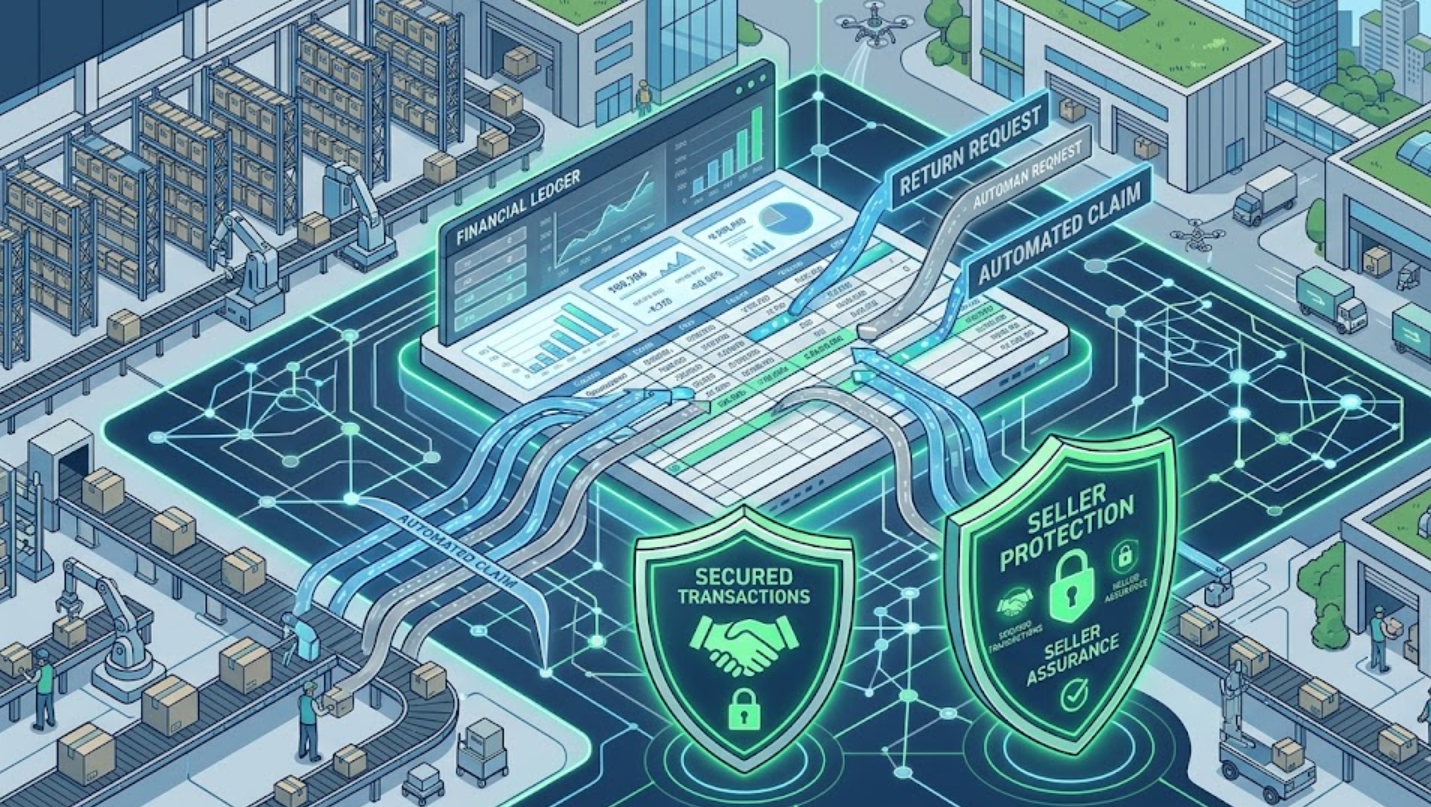
Navigating Amazon's A-to-Z Guarantee: Mitigating Seller-Funded Return Abuse
Amazon's automated A-to-Z Guarantee claims and escalating return abuse present a critical financial challenge for e-commerce sellers, often leading to uninvestigated, seller-funded losses. This trend, exacerbated by strict enforcement of doctrines like the First Sale Rule, necessitates proactive strategies to protect seller profitability. Understanding these dynamics and implementing robust mitigation tactics is essential for sustainable online business operations.
2026-04-29


