

Definition
Break bulk cargo is any shipment that is too large, heavy, or uniquely shaped to fit within a standard 20-foot or 40-foot shipping container (TEU or FEU). Instead of being containerized, these goods are handled and shipped as individual pieces, often secured in packaging such as boxes, crates, drums, or barrels. It is the primary method for moving highly specialized and complex industrial components.
Core Process
The handling of break bulk cargo requires careful coordination and specialized facilities. Because each item is handled individually (piece by piece), the loading and unloading process (stowage) is significantly more labor-intensive and time-consuming than standard container shipping. It necessitates the use of heavy-lift gear, specialized cranes, and complex rigging plans.
Break Bulk vs. Bulk Cargo
It is crucial to distinguish break bulk from bulk cargo. Bulk cargo consists of free-flowing goods (liquid or dry, such as grains, oil, or ore) that are shipped unpackaged and loaded loosely into the vessel's holds. Break bulk cargo, by contrast, is always packaged and handled as discrete, individual units.
Examples of Break Bulk Cargo
• Construction equipment (e.g., excavators, earthmovers)
• Manufacturing materials and modular units
• Oversized vehicles and boats
• Large components (e.g., ship propellers, generators, large engines)
Expert Advice
Managing break bulk logistics requires meticulous pre-planning regarding port compatibility, vessel capacity, and regulatory compliance. Shippers must prioritize effective securing methods and risk mitigation, as the individual handling inherently increases the potential for damage during transit. Partnering with a logistics consultant experienced in heavy-lift operations and global port capabilities is critical for cost-effective and safe delivery.
Key Takeaways
• Break bulk involves individualized handling of large, non-standard cargo.
• The process is time-intensive and requires specialized equipment and port infrastructure.
• It is essential for complex project cargo and global infrastructure development.
-

Navigating Amazon's Account Level Reserve (ALR) and Cash Flow Throttling: A Guide for Sellers
Amazon's Account Level Reserve (ALR) and "Delivery Date + 7 days" (DD+7) disbursement policies are severely impacting seller cash flow, making it challenging to pay suppliers and restock inventory. Understanding these mechanisms is crucial for maintaining financial stability and operational efficiency in e-commerce. Strategic logistics and proactive financial planning can help mitigate these significant funding delays.
2026-05-06
-
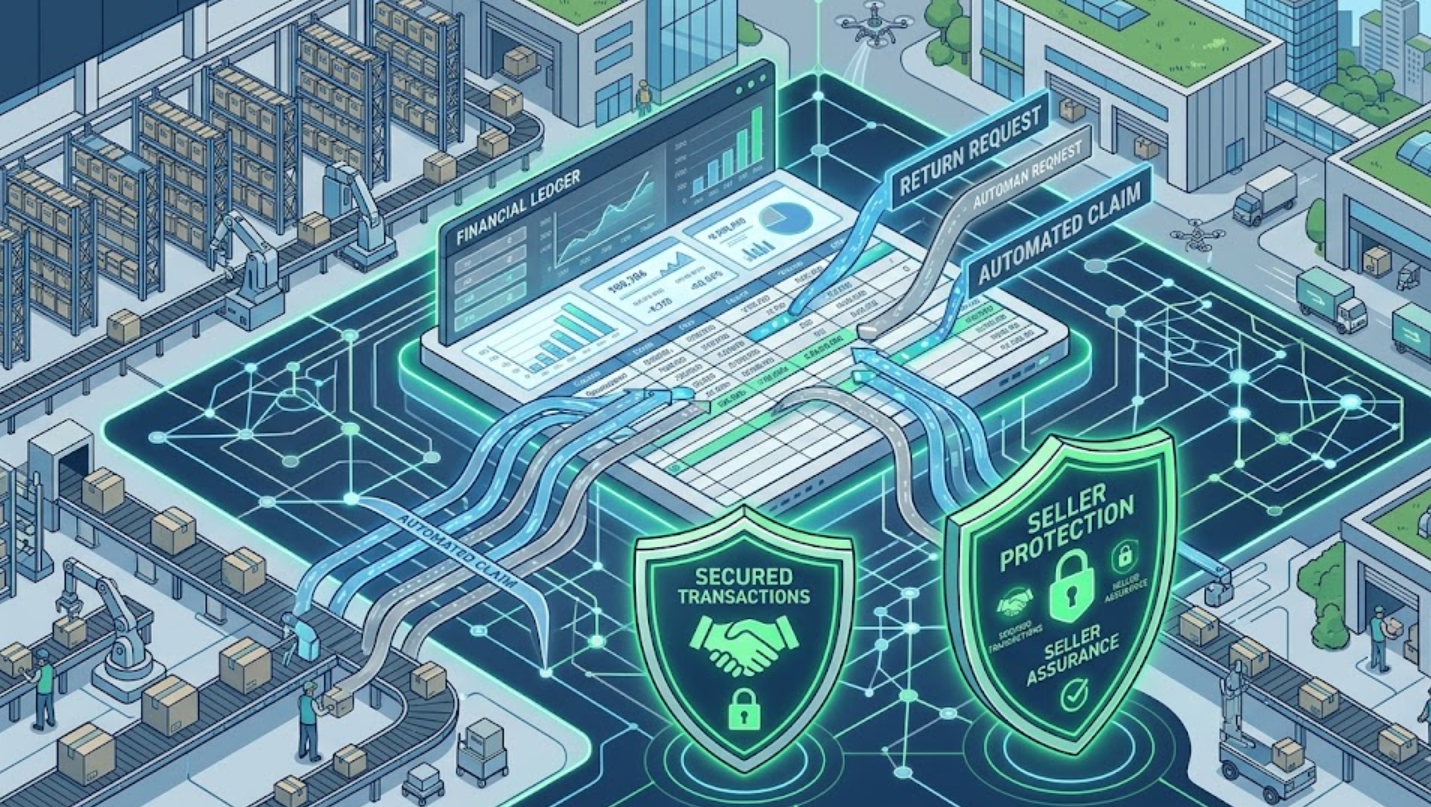
Navigating Amazon's A-to-Z Guarantee: Mitigating Seller-Funded Return Abuse
Amazon's automated A-to-Z Guarantee claims and escalating return abuse present a critical financial challenge for e-commerce sellers, often leading to uninvestigated, seller-funded losses. This trend, exacerbated by strict enforcement of doctrines like the First Sale Rule, necessitates proactive strategies to protect seller profitability. Understanding these dynamics and implementing robust mitigation tactics is essential for sustainable online business operations.
2026-04-29


