

Definition
A Bobtail Fee, also commonly known as a Drop Fee, is a charge assessed by the trucking company or motor carrier when the tractor unit (the bobtail) arrives at the destination and detaches the full FCL (Full Container Load) container and chassis for later unloading. The truck then returns to retrieve the empty equipment once the cargo has been stripped.
This fee compensates the carrier for the two necessary round trips (drop-off and subsequent pick-up) required when not performing a time-sensitive live unload.
Core Function and Process
The primary purpose of incurring a Bobtail Fee is to provide flexibility and avoid potential driver detention or demurrage charges associated with long unloading times. A bobtail is defined as a truck (tractor) traveling without a trailer or container attached.
The drop-and-hook process involves:
• The bobtail arrives with the loaded container.
• The container is dropped on the chassis at the warehouse dock.
• The driver leaves immediately, thus "bobtailing" back to the motor pool or the next job.
• Warehouse staff unload the container at their convenience.
• The motor carrier sends the bobtail back later (often the next day) to retrieve the now-empty container and chassis.
Billing Context
If applicable, the Bobtail Fee will appear on logistics invoices, typically listed under Drayage Charges or as a specific Destination Charge. This fee is separate from standard freight rates and is contingent upon the operational agreement (e.g., drop-and-hook vs. live unload).
Expert Advice
Shippers should factor the Bobtail Fee into their total landed cost when utilizing drop-and-hook services. While the fee itself is an added expense, it often mitigates significantly higher costs related to driver detention (if unloading takes longer than the standard free time) or warehouse bottlenecks caused by strict live unload schedules. Use drop-and-hook services when warehouse staffing is low or when the container contents require lengthy segregation or quality checks, justifying the additional fee.
-

Navigating Amazon's Account Level Reserve (ALR) and Cash Flow Throttling: A Guide for Sellers
Amazon's Account Level Reserve (ALR) and "Delivery Date + 7 days" (DD+7) disbursement policies are severely impacting seller cash flow, making it challenging to pay suppliers and restock inventory. Understanding these mechanisms is crucial for maintaining financial stability and operational efficiency in e-commerce. Strategic logistics and proactive financial planning can help mitigate these significant funding delays.
2026-05-06
-
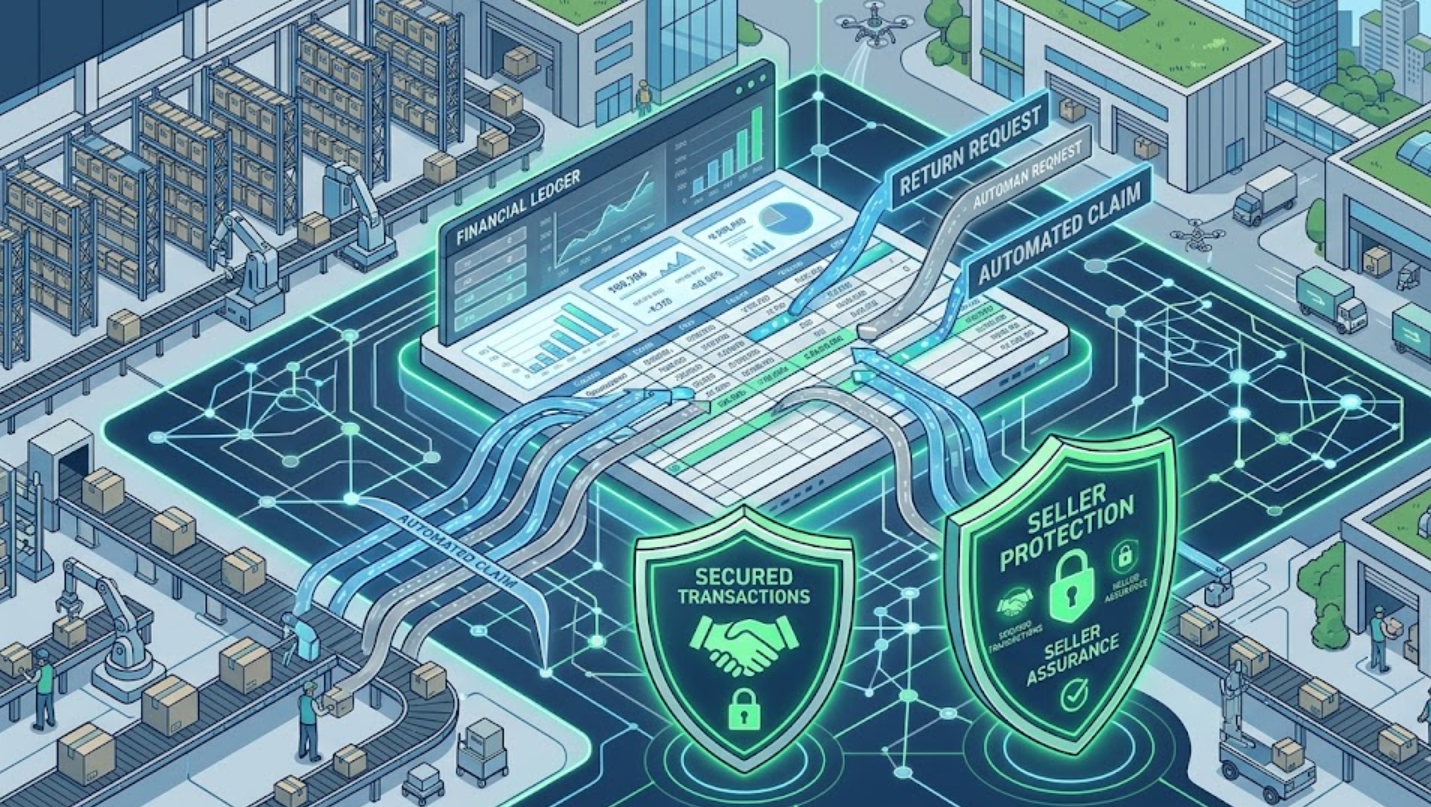
Navigating Amazon's A-to-Z Guarantee: Mitigating Seller-Funded Return Abuse
Amazon's automated A-to-Z Guarantee claims and escalating return abuse present a critical financial challenge for e-commerce sellers, often leading to uninvestigated, seller-funded losses. This trend, exacerbated by strict enforcement of doctrines like the First Sale Rule, necessitates proactive strategies to protect seller profitability. Understanding these dynamics and implementing robust mitigation tactics is essential for sustainable online business operations.
2026-04-29


