

Definition
A blind shipment occurs when the recipient of the goods (the consignee) is unaware of the true originating party (the shipper). The essential logistics paperwork, such as the Bill of Lading (BOL), is modified to replace the actual third-party vendor’s information with the distributor's or seller’s branding. The customer is therefore “blind” to who fulfilled the order.
Core Process and Function
This method is most commonly utilized by distributors and retailers who rely on dropshipping or direct-to-retailer fulfillment. By avoiding unnecessary distribution channels, goods are moved faster while simultaneously concealing the source. This is vital in protecting proprietary vendor relationships and supply chain data.
The primary objective is to maintain a seamless brand experience. For instance, a distributor may instruct a third-party manufacturer to ship directly to a retailer. The manufacturer’s (shipper’s) details are replaced with the distributor’s details, ensuring the retailer believes the distributor shipped the product directly.
A variation is the double blind shipment. In this advanced scenario, the actual shipper is unaware of the final delivery address, and the consignee is unaware of the originating location. This further protects proprietary business relationships on both sides of the transaction.
Expert Advice for Implementation
Successfully executing a blind shipment requires meticulous coordination between the shipper, the distributor, and the carrier. Failure to accurately amend the Bill of Lading can result in delays, customs issues, or the accidental disclosure of the original vendor’s identity.
Key considerations:
• Ensure all required documentation, including the BOL, commercial invoice, and packing list, is accurately redacted and replaced with the seller’s information.
• Coordinate carefully with the freight forwarder or carrier, as they are responsible for physically concealing the original origin details on physical labels.
• Understand legal implications regarding the disclosure of origin, especially in international shipments where Country of Origin labeling may be mandatory.
Key Takeaways
• Blind shipments protect supply chain integrity and brand perception.
• They are essential for distributors and dropshipping models.
• Requires careful amendment of the Bill of Lading and physical shipping labels.
-

Navigating Amazon's Account Level Reserve (ALR) and Cash Flow Throttling: A Guide for Sellers
Amazon's Account Level Reserve (ALR) and "Delivery Date + 7 days" (DD+7) disbursement policies are severely impacting seller cash flow, making it challenging to pay suppliers and restock inventory. Understanding these mechanisms is crucial for maintaining financial stability and operational efficiency in e-commerce. Strategic logistics and proactive financial planning can help mitigate these significant funding delays.
2026-05-06
-
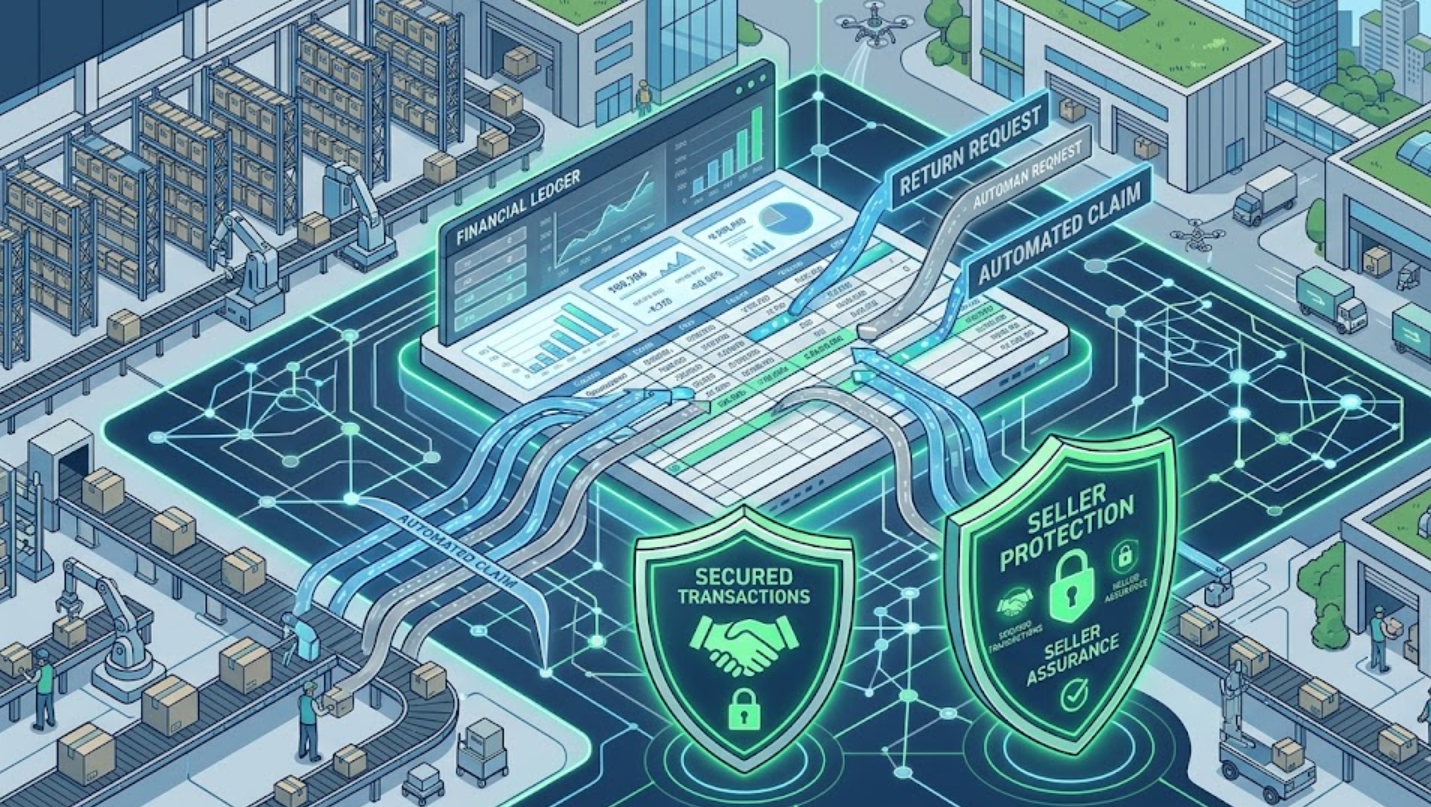
Navigating Amazon's A-to-Z Guarantee: Mitigating Seller-Funded Return Abuse
Amazon's automated A-to-Z Guarantee claims and escalating return abuse present a critical financial challenge for e-commerce sellers, often leading to uninvestigated, seller-funded losses. This trend, exacerbated by strict enforcement of doctrines like the First Sale Rule, necessitates proactive strategies to protect seller profitability. Understanding these dynamics and implementing robust mitigation tactics is essential for sustainable online business operations.
2026-04-29


