

Definition
A Blank Sailing (or Void Sailing) is the carrier-initiated cancellation of a previously scheduled vessel departure. This cancellation can target one specific port call within a route or the entire weekly rotation of a service loop.
A shipping "string" is the fixed, cyclical route a carrier uses, consisting of a set sequence of ports served weekly (e.g., Shanghai > Ningbo > Los Angeles > Oakland > Shanghai). When a blank sailing occurs, the scheduled weekly service for that string is temporarily suspended.
Core Reasons for Cancellations
Blank sailings are tactical decisions used by carriers to optimize efficiency and respond to market forces. The primary drivers include:
• Low Vessel Demand: Carriers must balance slot capacity against projected demand. Following major holidays where factory output slows, such as Chinese New Year or Golden Week, demand for container space typically drops, making it financially inefficient to sail an underutilized vessel.
• Scheduling Adjustments: Blank sailings frequently occur during transitional periods. This includes restructuring service networks, changing the number of weekly sailings offered on a specific trade lane (e.g., cutting five out of ten weekly sailings), or implementing schedule changes required by new ocean alliances.
Impact on Your Shipment
If your cargo was booked on a service that is subsequently voided, the shipment will be rolled and immediately rescheduled to move on the next available sailing. This typically results in transit delays of one week or more.
Expert Advice
Effective supply chain management requires proactive communication during blank sailing events. Logistics partners must rapidly secure new bookings and adjust shipment schedules, providing updated Estimated Times of Arrival (ETAs) to the shipper. Shippers should anticipate potential blank sailings following major Asian holidays and incorporate contingency buffers into their lead times to mitigate unexpected delays.
-

Navigating Amazon's Account Level Reserve (ALR) and Cash Flow Throttling: A Guide for Sellers
Amazon's Account Level Reserve (ALR) and "Delivery Date + 7 days" (DD+7) disbursement policies are severely impacting seller cash flow, making it challenging to pay suppliers and restock inventory. Understanding these mechanisms is crucial for maintaining financial stability and operational efficiency in e-commerce. Strategic logistics and proactive financial planning can help mitigate these significant funding delays.
2026-05-06
-
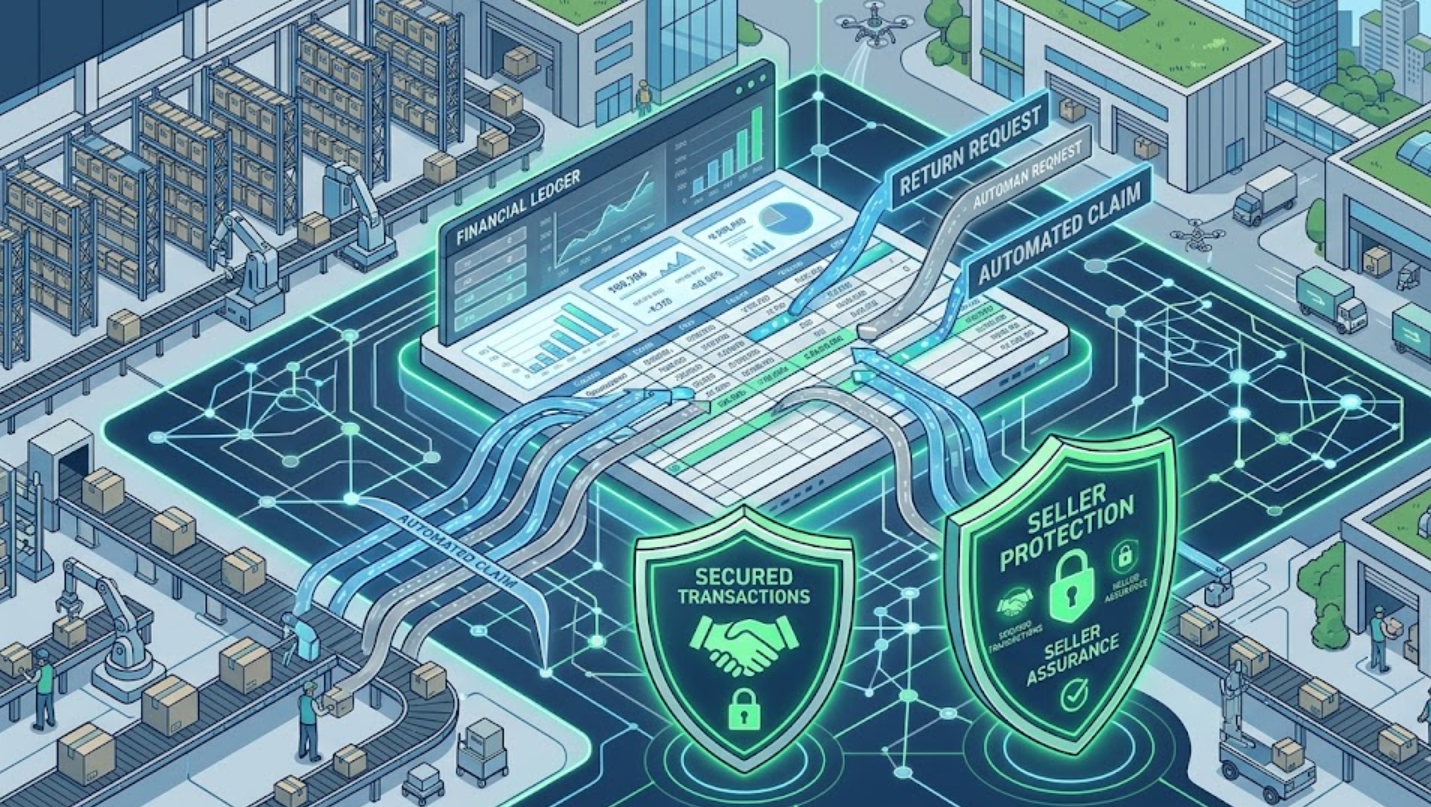
Navigating Amazon's A-to-Z Guarantee: Mitigating Seller-Funded Return Abuse
Amazon's automated A-to-Z Guarantee claims and escalating return abuse present a critical financial challenge for e-commerce sellers, often leading to uninvestigated, seller-funded losses. This trend, exacerbated by strict enforcement of doctrines like the First Sale Rule, necessitates proactive strategies to protect seller profitability. Understanding these dynamics and implementing robust mitigation tactics is essential for sustainable online business operations.
2026-04-29


