

Understanding Binding Origin Information (BOI)
Binding Origin Information (BOI) is a written decision issued by the customs authorities of an EU Member State confirming the origin of specific goods. Once issued, this decision is legally binding on all customs authorities throughout the European Union, typically for a period of three years. While obtaining a BOI is not mandatory for importation, it is a powerful instrument for ensuring customs compliance and financial predictability.
Why is Origin Important?
In international logistics, the 'origin' of goods represents their economic nationality. Determining the correct origin is essential for:
- Applying preferential tariff rates (reduced or zero duty).
- Adhering to anti-dumping measures and quotas.
- Ensuring accurate trade statistics and labeling compliance.
Strategic Advantages of a BOI Decision
For logistics managers and importers, utilizing the BOI system offers significant advantages in supply chain optimization:
- Legal Certainty: A BOI eliminates ambiguity regarding how customs will treat the origin of your goods, preventing unexpected delays or costs at the border.
- Uniformity: The decision is recognized across the entire EU, ensuring consistent treatment regardless of the port of entry.
- Risk Mitigation: Holding a BOI protects companies from retrospective duty claims resulting from origin disputes.
Preferential vs. Non-Preferential Origin
The BOI system addresses two distinct types of origin:
- Non-Preferential Origin: Used for applying basic customs tariffs, anti-dumping duties, and trade embargoes.
- Preferential Origin: Used to claim reduced or zero duty rates under specific trade agreements (e.g., EU-UK TCA, CETA).
The Application Process
To obtain a BOI, a trader must submit a formal application to the competent customs authority in the Member State where they are established or where the BOI will be used. The application must include a detailed description of the goods, the composition, and the processing methods used to manufacture them. Once issued, the holder must reference the BOI decision number on customs declarations to leverage its benefits.
For expert guidance on navigating complex logistics challenges, contact logicmile.com for a free consultation.
-

Navigating Amazon's Account Level Reserve (ALR) and Cash Flow Throttling: A Guide for Sellers
Amazon's Account Level Reserve (ALR) and "Delivery Date + 7 days" (DD+7) disbursement policies are severely impacting seller cash flow, making it challenging to pay suppliers and restock inventory. Understanding these mechanisms is crucial for maintaining financial stability and operational efficiency in e-commerce. Strategic logistics and proactive financial planning can help mitigate these significant funding delays.
2026-05-06
-
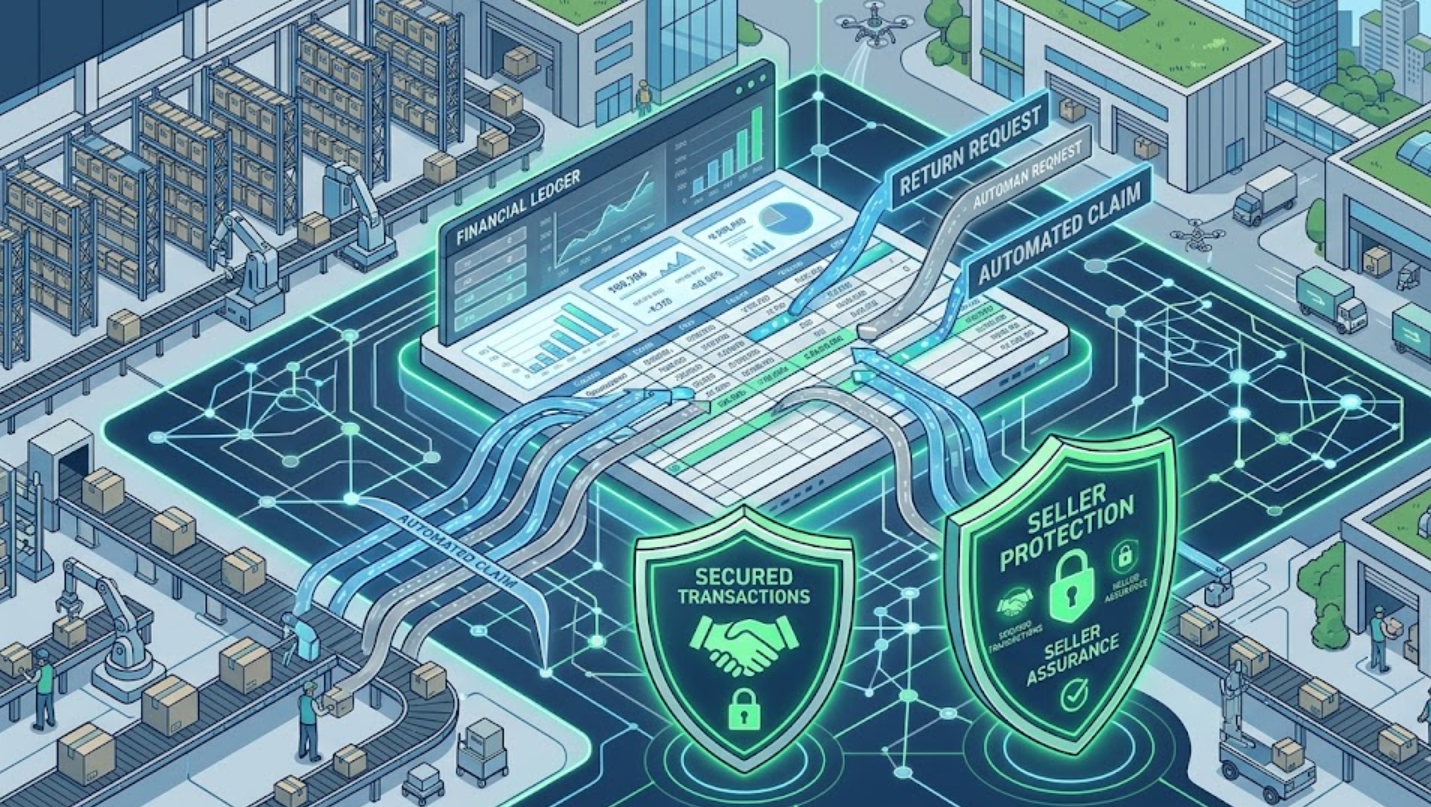
Navigating Amazon's A-to-Z Guarantee: Mitigating Seller-Funded Return Abuse
Amazon's automated A-to-Z Guarantee claims and escalating return abuse present a critical financial challenge for e-commerce sellers, often leading to uninvestigated, seller-funded losses. This trend, exacerbated by strict enforcement of doctrines like the First Sale Rule, necessitates proactive strategies to protect seller profitability. Understanding these dynamics and implementing robust mitigation tactics is essential for sustainable online business operations.
2026-04-29


