

Definition and Core Functions
A Bill of Lading (BOL or B/L) is a legally binding document issued to a shipper that details the type, quantity, and destination of the goods being carried. It represents the backbone of freight transportation, fulfilling three critical roles in the logistics chain:
- Contract of Carriage: It establishes the terms and conditions for the movement of goods between the shipper and the transportation provider.
- Receipt of Cargo: It serves as official proof that the carrier has received the freight in good order.
- Proof of Ownership: In many contexts, specifically with negotiable bills, it acts as a document of title, allowing the transfer of ownership of the goods while in transit.
Modal Distinctions: Ocean vs. Air
While the function of documenting shipment details is universal, the specific terminology and legal implications differ by transport mode.
Ocean Shipments
Maritime logistics relies heavily on the Ocean Bill of Lading. These can be issued as:
- Original Bill of Lading: A negotiable document that confers title. The physical document is often required to release cargo at the destination.
- Express Bill of Lading (Sea Waybill): A non-negotiable document used when the shipper does not need to control the release of the cargo against payment, often expediting the process.
Air Shipments
Air freight utilizes an Air Waybill (AWB). unlike a negotiable ocean B/L, the AWB is a non-negotiable instrument. It serves as a receipt and a contract of carriage but does not constitute a document of title to the goods.
For expert guidance on navigating complex logistics challenges, contact logicmile.com for a free consultation.
-

Navigating Amazon's Account Level Reserve (ALR) and Cash Flow Throttling: A Guide for Sellers
Amazon's Account Level Reserve (ALR) and "Delivery Date + 7 days" (DD+7) disbursement policies are severely impacting seller cash flow, making it challenging to pay suppliers and restock inventory. Understanding these mechanisms is crucial for maintaining financial stability and operational efficiency in e-commerce. Strategic logistics and proactive financial planning can help mitigate these significant funding delays.
2026-05-06
-
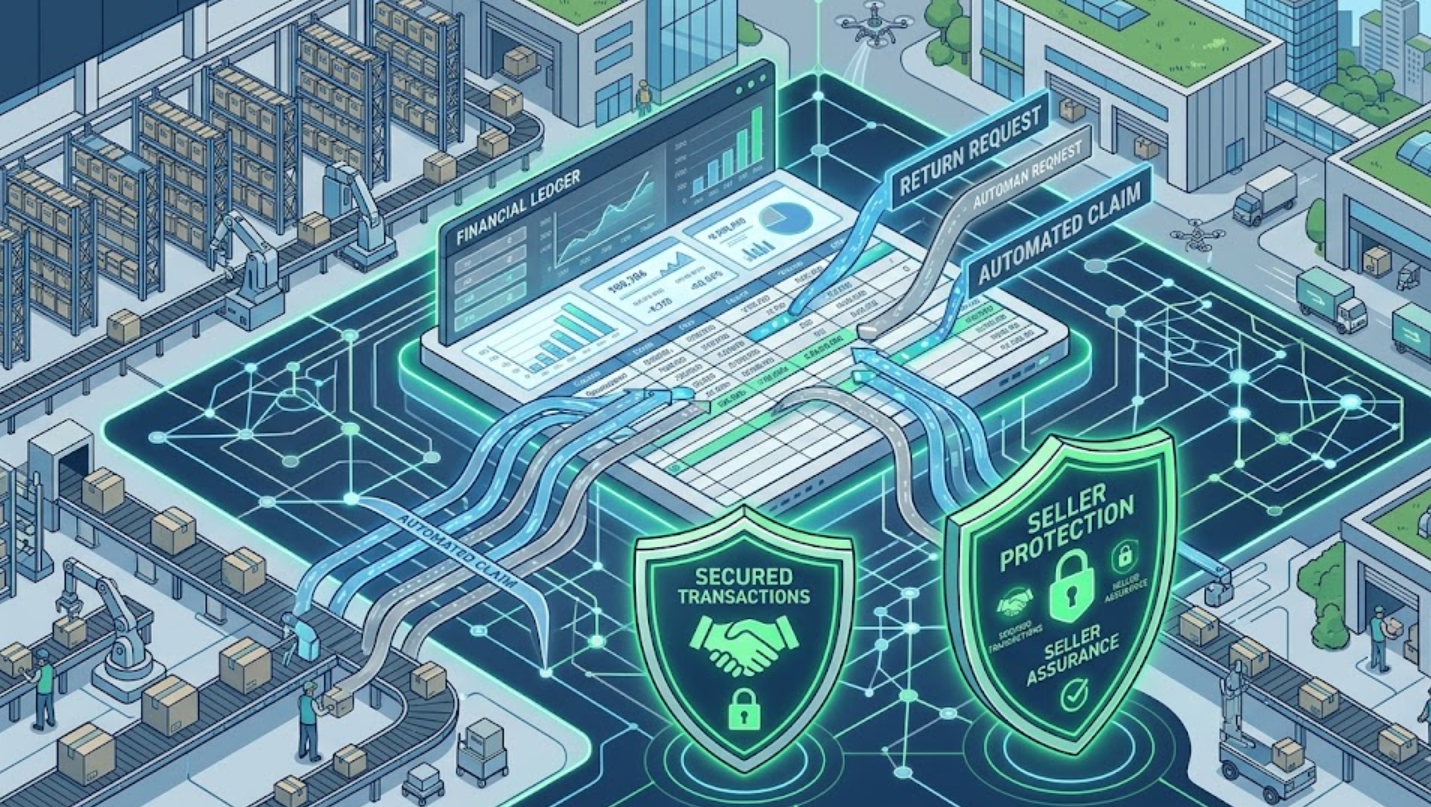
Navigating Amazon's A-to-Z Guarantee: Mitigating Seller-Funded Return Abuse
Amazon's automated A-to-Z Guarantee claims and escalating return abuse present a critical financial challenge for e-commerce sellers, often leading to uninvestigated, seller-funded losses. This trend, exacerbated by strict enforcement of doctrines like the First Sale Rule, necessitates proactive strategies to protect seller profitability. Understanding these dynamics and implementing robust mitigation tactics is essential for sustainable online business operations.
2026-04-29


