

What is the Bunker Adjustment Factor (BAF)?
The Bunker Adjustment Factor (BAF) is a floating surcharge levied by ocean carriers to cushion the financial impact of fluctuating global fuel prices. Because fuel (bunker) constitutes a significant portion of a vessel's operating expense, carriers cannot maintain fixed freight rates without a mechanism to adjust for the volatility of oil markets.
How BAF is Calculated and Applied
BAF is not a static fee; it represents a floating price level that is typically reviewed and updated on a quarterly basis, though some carriers may adjust it monthly depending on market stability. The surcharge is applied per container (TEU or FEU) and varies significantly among different trade lanes based on the distance traveled and the specific fuel consumption of the route.
Key Characteristics of BAF
- Protection Against Volatility: It transfers the risk of fuel price spikes from the carrier to the shipper.
- Trade Lane Variance: Longer routes with higher fuel consumption incur higher BAF charges.
- Frequency of Updates: Adjustments are made periodically to align with the current price of Brent Crude or other fuel indices.
IMO Regulations and Low Sulphur Surcharges
Modern BAF calculations heavily factor in environmental regulations. The International Maritime Organization (IMO) initiative requires vessels to reduce sulfuric fuel emissions. To comply, carriers must switch to costlier Very Low Sulphur Fuel Oil (VLSFO) or install scrubbers. These increased operational costs are often reflected in the BAF or itemized as a separate Low Sulphur Surcharge (LSS), making the BAF a vital component in the push for greener supply chains.
Impact on Freight Rates
When analyzing freight quotes, it is crucial to determine if the rate is "all-in" or subject to surcharges. While some freight forwarders offer rates inclusive of BAF to simplify billing, standard carrier contracts usually list it separately. Shippers must monitor BAF trends to budget effectively for international ocean freight.
For expert guidance on navigating complex logistics challenges, contact logicmile.com for a free consultation.
-

Navigating Amazon's Account Level Reserve (ALR) and Cash Flow Throttling: A Guide for Sellers
Amazon's Account Level Reserve (ALR) and "Delivery Date + 7 days" (DD+7) disbursement policies are severely impacting seller cash flow, making it challenging to pay suppliers and restock inventory. Understanding these mechanisms is crucial for maintaining financial stability and operational efficiency in e-commerce. Strategic logistics and proactive financial planning can help mitigate these significant funding delays.
2026-05-06
-
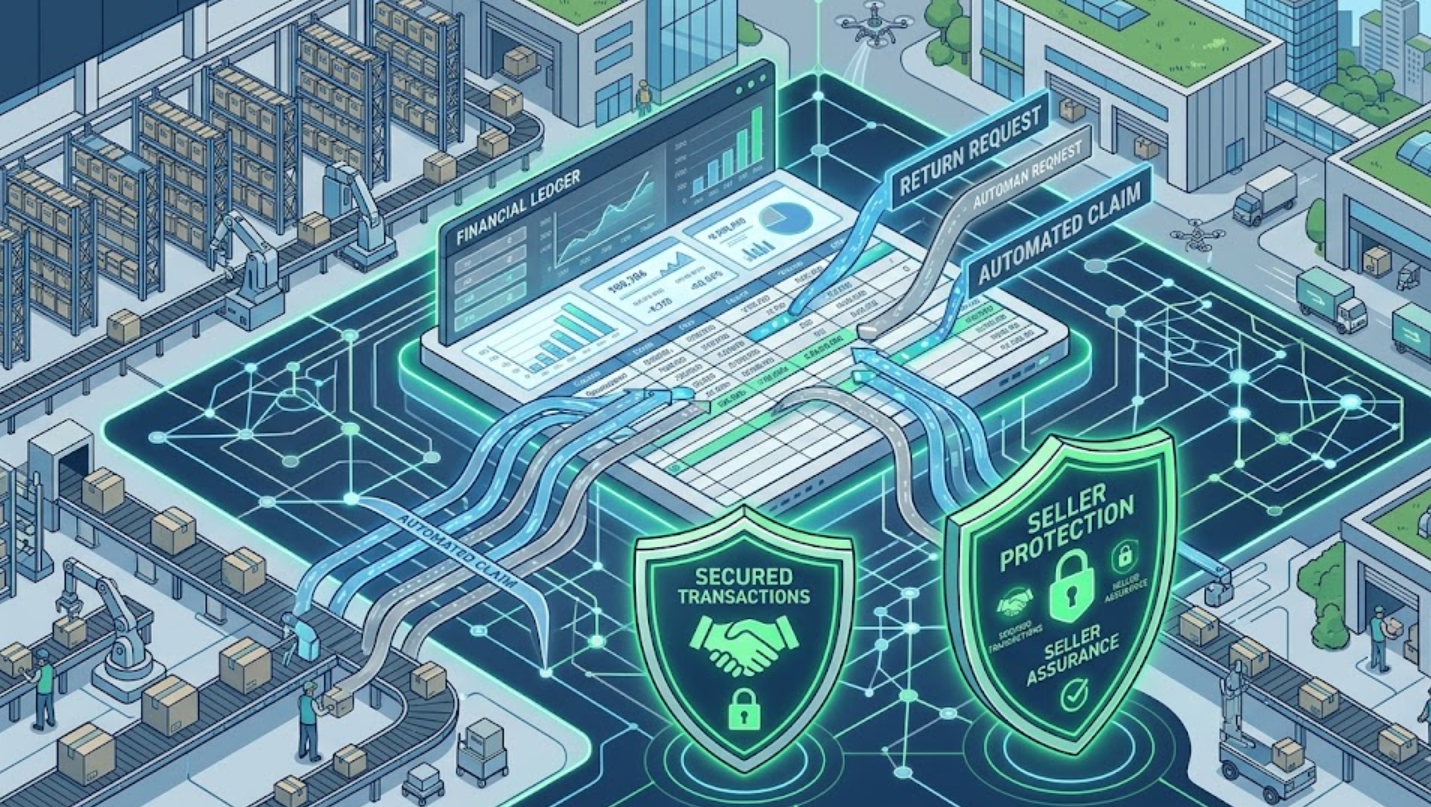
Navigating Amazon's A-to-Z Guarantee: Mitigating Seller-Funded Return Abuse
Amazon's automated A-to-Z Guarantee claims and escalating return abuse present a critical financial challenge for e-commerce sellers, often leading to uninvestigated, seller-funded losses. This trend, exacerbated by strict enforcement of doctrines like the First Sale Rule, necessitates proactive strategies to protect seller profitability. Understanding these dynamics and implementing robust mitigation tactics is essential for sustainable online business operations.
2026-04-29


