

What is the Automated Manifest System (AMS)?
The Automated Manifest System (AMS) is an electronic transmission portal operated by U.S. Customs and Border Protection (CBP) to facilitate cargo inventory control and release notification. Established as a security measure, AMS requires logistics providers to submit detailed information about cargo entering the United States before it arrives at the port of entry.
Scope and Application
AMS is integral to the security framework of U.S. supply chains. It allows customs officials to identify potential risks associated with air and ocean shipments before the physical cargo reaches U.S. soil. The system mandates that carriers, freight forwarders, and NVOCCs file manifest data within specific timeframes to avoid penalties.
The Role of AMS in Air vs. Ocean Freight
While the term "AMS" is frequently used as an industry umbrella term for all electronic information transmission, its technical application varies by mode of transport:
- Air Freight: AMS is the primary system used for electronic air manifests.
- Ocean, Truck, and Rail: While historically associated with AMS, electronic manifests for these modes are increasingly handled through the Automated Commercial Environment (ACE). Specifically, ACE is designated for truck, rail, and sea manifests, though the terminology "AMS filing" persists in industry vernacular.
AMS Filing Fees and Compliance
Compliance with AMS regulations involves financial considerations for logistics stakeholders. An AMS fee is typically charged per Bill of Lading (BOL) or Air Waybill (AWB). The responsibility for covering this fee falls upon either the client or the supplier, depending on the Incoterms and service agreement negotiated.
Key Compliance Data
A successful AMS filing requires accurate submission of specific data points, including:
- Shipper and Consignee details.
- Precise cargo descriptions.
- Weight and piece count.
- Port of lading and unlading.
Failure to file accurate AMS data or missing the submission deadline can result in significant fines from the CBP and delays in cargo release.
For expert guidance on navigating complex logistics challenges, contact logicmile.com for a free consultation.
-

Navigating Amazon's Account Level Reserve (ALR) and Cash Flow Throttling: A Guide for Sellers
Amazon's Account Level Reserve (ALR) and "Delivery Date + 7 days" (DD+7) disbursement policies are severely impacting seller cash flow, making it challenging to pay suppliers and restock inventory. Understanding these mechanisms is crucial for maintaining financial stability and operational efficiency in e-commerce. Strategic logistics and proactive financial planning can help mitigate these significant funding delays.
2026-05-06
-
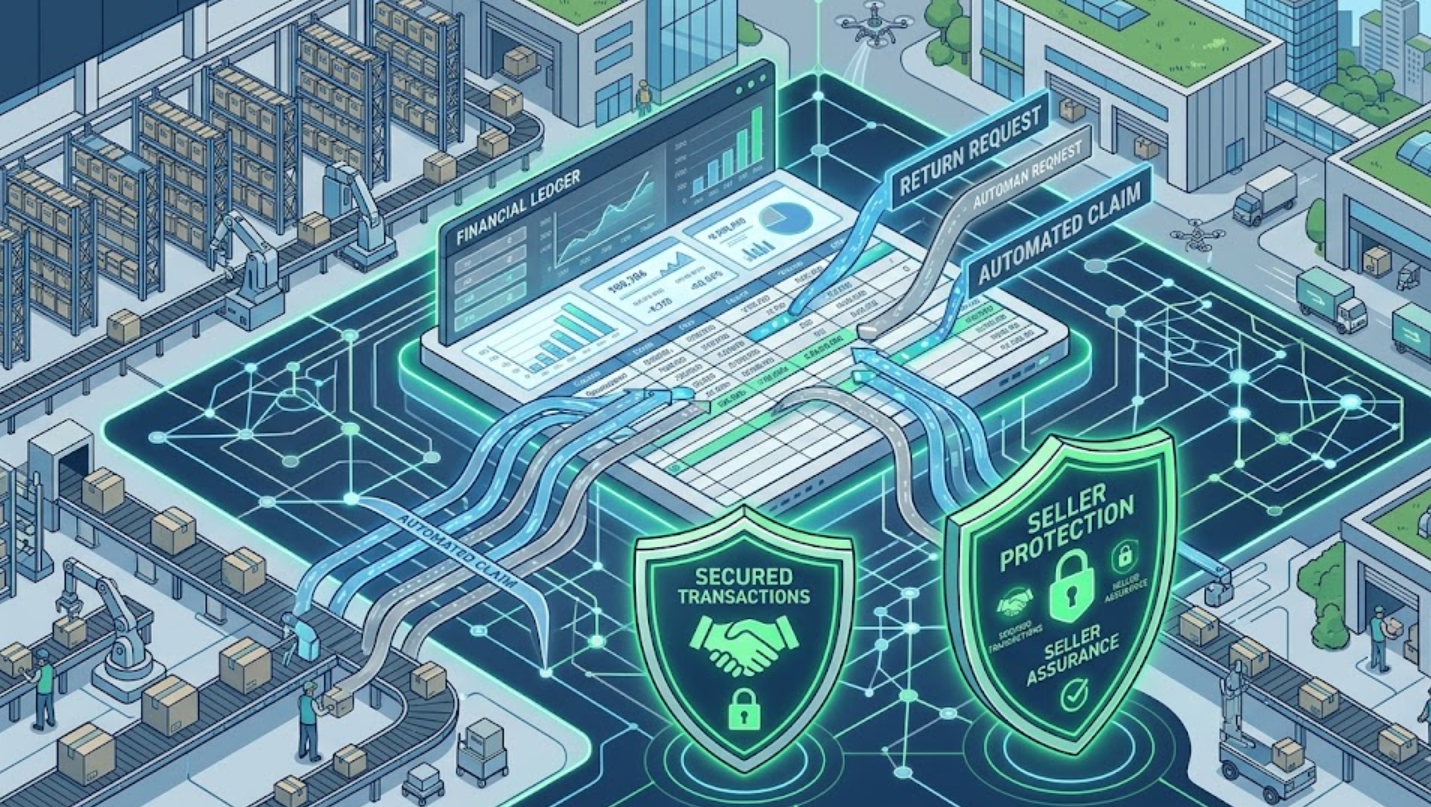
Navigating Amazon's A-to-Z Guarantee: Mitigating Seller-Funded Return Abuse
Amazon's automated A-to-Z Guarantee claims and escalating return abuse present a critical financial challenge for e-commerce sellers, often leading to uninvestigated, seller-funded losses. This trend, exacerbated by strict enforcement of doctrines like the First Sale Rule, necessitates proactive strategies to protect seller profitability. Understanding these dynamics and implementing robust mitigation tactics is essential for sustainable online business operations.
2026-04-29


