

What is the Automated Export System (AES)?
The Automated Export System (AES) is the joint electronic interface through which U.S. exporters and their agents file Shipper’s Export Declarations (SEDs)—now often referred to as Electronic Export Information (EEI)—and ocean manifest information directly to U.S. Customs and Border Protection (CBP). As a nationwide system operational at all ports and for all modes of transportation, AES serves as the primary gateway for collecting data on U.S. exports.
Operational Capabilities and Immediate Validation
One of the defining features of AES is its ability to facilitate the electronic filing of export data, replacing archaic paper-based processes. This digitization offers a distinct operational advantage: real-time error detection. Due to its electronic nature, AES possesses the capability to:
- Edit information immediately: The system validates data upon submission.
- Correct detected errors: Filers receive immediate feedback, allowing them to rectify discrepancies at the time of filing rather than facing post-shipment penalties.
Strategic Objectives of AES
Designed to enhance the efficiency of the U.S. supply chain, the AES framework addresses several critical logistics and regulatory objectives:
1. Compliance and Enforcement
The system is engineered to assure strict compliance with and enforcement of laws relating to exports. By centralizing data, CBP and other partner government agencies can effectively monitor controlled goods and ensure national security protocols are met.
2. Improvement of Trade Statistics
AES serves as the central conduit for the U.S. Census Bureau to compile accurate trade statistics. Electronic filing reduces the margin for human error, ensuring that economic data regarding U.S. exports is precise.
3. Efficiency and Service
By reducing duplicate reporting requirements and eliminating paper waste, AES improves customer service and streamlines the export workflow for logistics providers and shippers alike.
For expert guidance on navigating complex logistics challenges, contact logicmile.com for a free consultation.
-

Navigating Amazon's Account Level Reserve (ALR) and Cash Flow Throttling: A Guide for Sellers
Amazon's Account Level Reserve (ALR) and "Delivery Date + 7 days" (DD+7) disbursement policies are severely impacting seller cash flow, making it challenging to pay suppliers and restock inventory. Understanding these mechanisms is crucial for maintaining financial stability and operational efficiency in e-commerce. Strategic logistics and proactive financial planning can help mitigate these significant funding delays.
2026-05-06
-
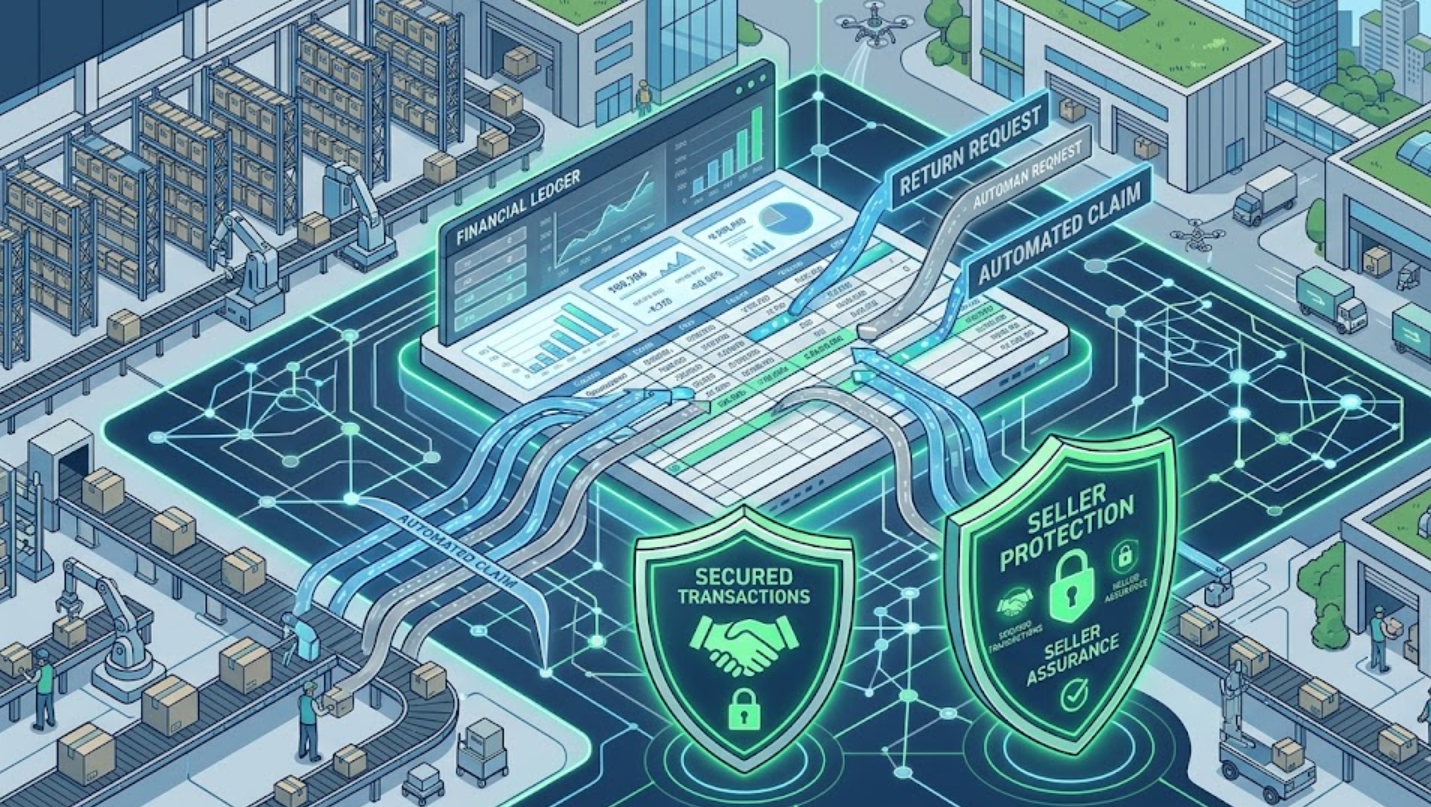
Navigating Amazon's A-to-Z Guarantee: Mitigating Seller-Funded Return Abuse
Amazon's automated A-to-Z Guarantee claims and escalating return abuse present a critical financial challenge for e-commerce sellers, often leading to uninvestigated, seller-funded losses. This trend, exacerbated by strict enforcement of doctrines like the First Sale Rule, necessitates proactive strategies to protect seller profitability. Understanding these dynamics and implementing robust mitigation tactics is essential for sustainable online business operations.
2026-04-29


