

Understanding Anti-dumping Duties (AD)
Anti-dumping Duties (AD) are protectionist tariffs assessed by governments to mitigate the economic impact of dumping. Dumping occurs when foreign manufacturers export products to a destination market, such as the United States or the European Union, at prices significantly lower than their fair market value or the cost of production in their home country. These duties are calculated to bridge the gap between the foreign manufacturer's export price and the normal value, ensuring a level playing field for domestic producers.
Regulatory Framework in the United States
In the U.S., the administration of anti-dumping measures is a collaborative effort between two primary federal bodies:
- The U.S. International Trade Commission (USITC): Determines whether domestic industries are being injured or threatened by imports.
- The U.S. Department of Commerce (DOC): Calculates the dumping margin and the amount of duty required.
Depending on the severity of the price discrepancy, AD rates can range anywhere from 0% to 550% of the commercial invoice value. Domestic companies can file petitions with these bodies if they suspect foreign competitors are selling under fair market value or receiving unfair government subsidies.
European and UK Trade Defence Instruments
Globally, anti-dumping regulations follow similar principles often grounded in GATT Article VI.
- European Union: The EU utilizes AD duties as a trade defence instrument to protect its internal market. Investigations focus on whether the export price is lower than the "normal value," which may be based on domestic prices or production costs plus profit.
- United Kingdom: Post-Brexit, the UK applies AD duties in addition to standard Customs Duty. These measures target "like goods" sold at less than their normal value in the exporter's home market, with specific details maintained by the National Archives.
Determining Applicability
Whether a specific shipment is subject to AD depends heavily on the country of origin and the specific product classification. Importers must consult the International Trade Administration's official lists or relevant national databases to verify if their goods fall under current anti-dumping orders. Failure to identify these duties can lead to significant financial penalties and supply chain disruptions.
For expert guidance on navigating complex logistics challenges, contact logicmile.com for a free consultation.
-

Navigating Amazon's Account Level Reserve (ALR) and Cash Flow Throttling: A Guide for Sellers
Amazon's Account Level Reserve (ALR) and "Delivery Date + 7 days" (DD+7) disbursement policies are severely impacting seller cash flow, making it challenging to pay suppliers and restock inventory. Understanding these mechanisms is crucial for maintaining financial stability and operational efficiency in e-commerce. Strategic logistics and proactive financial planning can help mitigate these significant funding delays.
2026-05-06
-
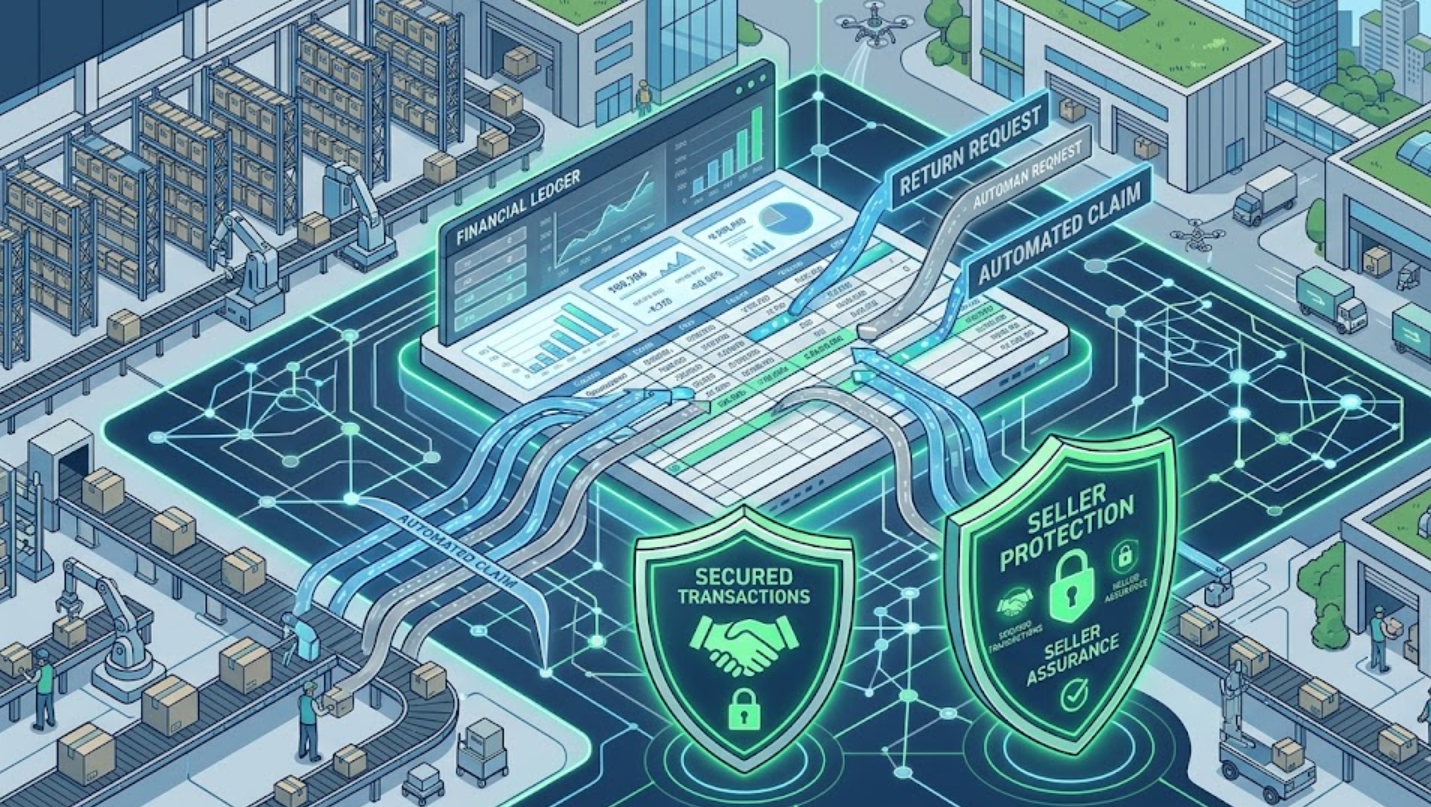
Navigating Amazon's A-to-Z Guarantee: Mitigating Seller-Funded Return Abuse
Amazon's automated A-to-Z Guarantee claims and escalating return abuse present a critical financial challenge for e-commerce sellers, often leading to uninvestigated, seller-funded losses. This trend, exacerbated by strict enforcement of doctrines like the First Sale Rule, necessitates proactive strategies to protect seller profitability. Understanding these dynamics and implementing robust mitigation tactics is essential for sustainable online business operations.
2026-04-29


