

Defining All-Risk Coverage in Logistics
In the complex landscape of global trade, All-Risk Coverage stands as the gold standard for marine cargo insurance. It is a broad-based policy designed to provide indemnity for a wide array of risks that may result in the physical loss or damage of goods while in transit. Unlike limited coverage options that only protect against specified events, All-Risk insurance operates on the principle that any sudden and accidental cause of loss is covered unless it is explicitly excluded in the policy terms.
The Scope of Protection
All-Risk cargo insurance is comprehensive, offering significantly wider protection than "Named Peril" policies (such as Institute Cargo Clauses B or C). It is designed to mitigate the financial impact of unforeseen events across the supply chain.
What is Typically Covered?
- Physical Damage: Destruction or damage caused by accidents, rough handling, or shifting during transport.
- Theft and Pilferage: Coverage against stolen cargo, hijacking, or non-delivery.
- Natural Disasters: Losses resulting from "Acts of God," including storms, earthquakes, and lightning.
- General Average: Contributions required from cargo owners if freight is sacrificed to save the vessel.
Limitations and Exclusions
Despite the nomenclature, All-Risk Coverage does not cover everything. It covers fortuitous losses—events that happen by chance—rather than inevitable losses. Logistics managers must carefully review policy wording (often based on Institute Cargo Clauses A) to understand the specific exclusions.
Common Exclusions
- Inherent Vice: Deterioration caused by the nature of the goods themselves (e.g., rust on steel, spoilage of perishables).
- Improper Packing: Damage resulting from negligence in preparing the cargo for transport.
- War and Terrorism: Acts of war, strikes, riots, and civil commotions are typically excluded from the base policy and require separate riders.
- Delay: Financial losses attributable solely to the late arrival of the cargo.
Why Choose All-Risk?
For high-value shipments and international freight, All-Risk Coverage is critical for risk management. It shifts the burden of proof favorably; to deny a claim, the insurer must prove that the cause of loss was an excluded peril. This contrasts with named-peril policies, where the shipper must prove the loss was caused by a covered event.
For expert guidance on navigating complex logistics challenges, contact logicmile.com for a free consultation.
-

Navigating Amazon's Account Level Reserve (ALR) and Cash Flow Throttling: A Guide for Sellers
Amazon's Account Level Reserve (ALR) and "Delivery Date + 7 days" (DD+7) disbursement policies are severely impacting seller cash flow, making it challenging to pay suppliers and restock inventory. Understanding these mechanisms is crucial for maintaining financial stability and operational efficiency in e-commerce. Strategic logistics and proactive financial planning can help mitigate these significant funding delays.
2026-05-06
-
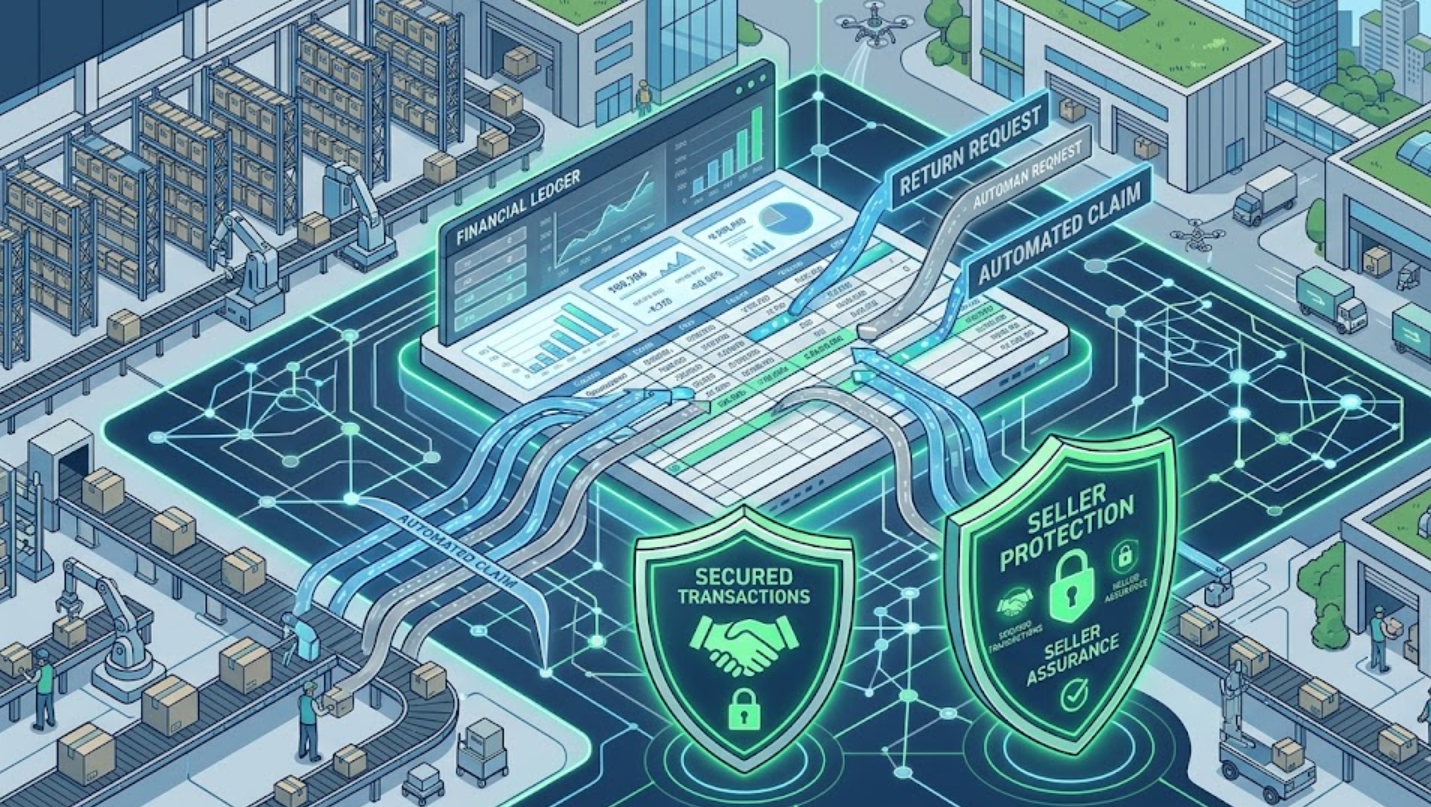
Navigating Amazon's A-to-Z Guarantee: Mitigating Seller-Funded Return Abuse
Amazon's automated A-to-Z Guarantee claims and escalating return abuse present a critical financial challenge for e-commerce sellers, often leading to uninvestigated, seller-funded losses. This trend, exacerbated by strict enforcement of doctrines like the First Sale Rule, necessitates proactive strategies to protect seller profitability. Understanding these dynamics and implementing robust mitigation tactics is essential for sustainable online business operations.
2026-04-29


