

Defining the Airline Terminal Fee
An Airline Terminal Fee is a mandatory charge levied on air shipments to facilitate the physical handling of cargo within airport facilities. This fee ensures that the ground handling agents and terminal operators are compensated for the labor and equipment required to process shipments before they are loaded onto an aircraft and after they are offloaded.
Scope of Services
The fee generally covers a range of terminal activities, including:
- Cargo Receipt and Transfer: Moving goods from the receiving dock to the tarmac.
- Storage and Staging: Temporary holding of cargo prior to loading or customs clearance.
- Equipment Usage: The utilization of forklifts, unit load devices (ULDs), and other ground support equipment.
Billing and Invoicing Structure
Understanding how the Airline Terminal Fee appears on a quote or invoice is critical for accurate financial planning in logistics.
Origin and Destination Charges
In most standard air freight quotes, the terminal fee is bifurcated:
- Origin Terminal Handling Charges (OTHC): Fees incurred at the departure airport for processing the outbound shipment.
- Destination Terminal Handling Charges (DTHC): Fees incurred at the arrival airport for offloading and handing over the cargo to the consignee or forwarder.
Bundled vs. Itemized Rates
While freight forwarders and carriers typically list these fees separately to provide transparency, billing practices depend heavily on the airline's policy. In some scenarios, particularly with "all-in" air freight rates, the Airline Terminal Fee may be absorbed into the primary weight-based freight charge rather than appearing as a standalone surcharge. Shippers should always clarify whether their rate is "all-in" or subject to additional surcharges to avoid unexpected landed costs.
Strategic Implications for Shippers
For supply chain managers, identifying these fees is essential for auditing freight invoices and comparing carrier quotes accurately. A lower base freight rate may be offset by higher terminal handling fees, making the total cost of ownership the most important metric for evaluation.
For expert guidance on navigating complex logistics challenges, contact logicmile.com for a free consultation.
-

Navigating Amazon's Account Level Reserve (ALR) and Cash Flow Throttling: A Guide for Sellers
Amazon's Account Level Reserve (ALR) and "Delivery Date + 7 days" (DD+7) disbursement policies are severely impacting seller cash flow, making it challenging to pay suppliers and restock inventory. Understanding these mechanisms is crucial for maintaining financial stability and operational efficiency in e-commerce. Strategic logistics and proactive financial planning can help mitigate these significant funding delays.
2026-05-06
-
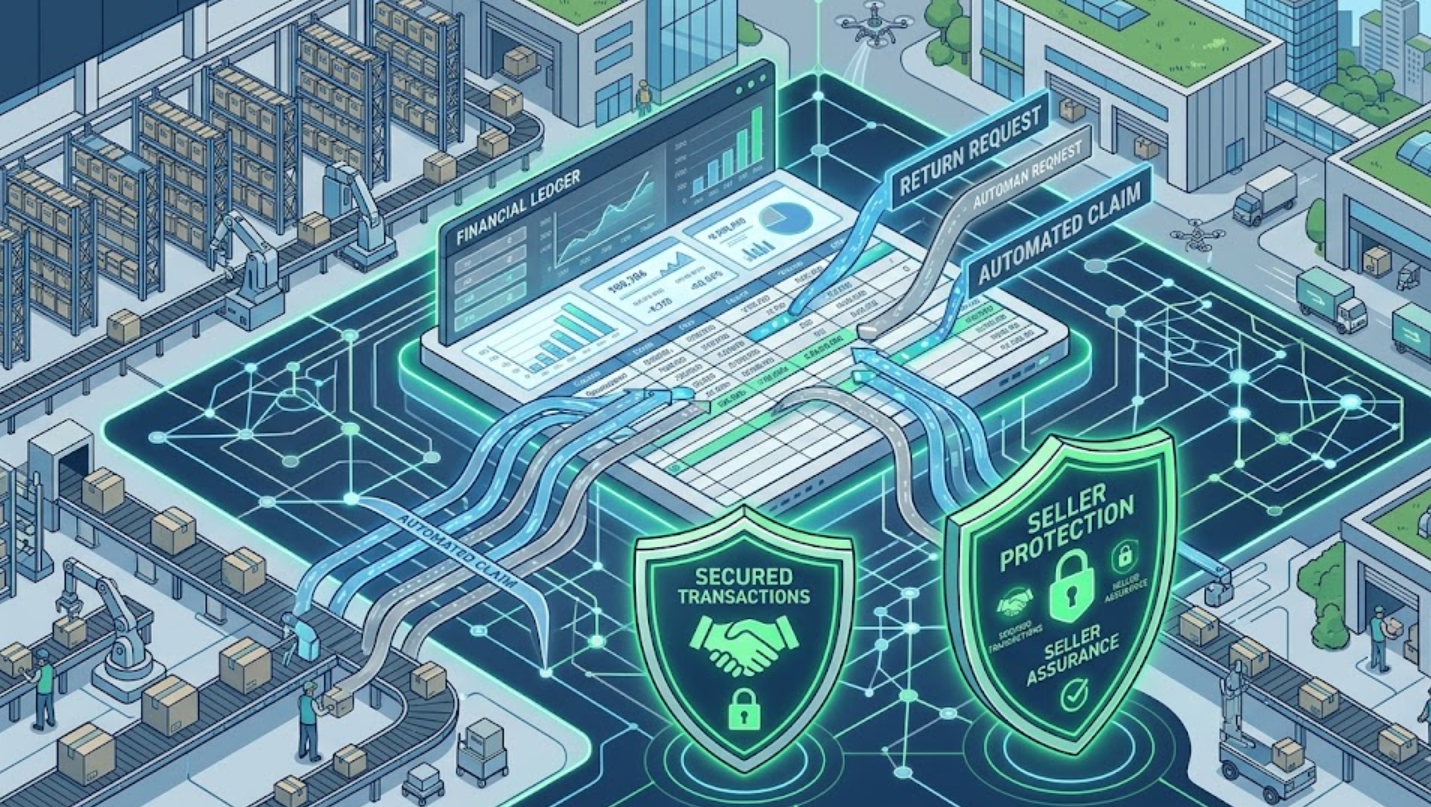
Navigating Amazon's A-to-Z Guarantee: Mitigating Seller-Funded Return Abuse
Amazon's automated A-to-Z Guarantee claims and escalating return abuse present a critical financial challenge for e-commerce sellers, often leading to uninvestigated, seller-funded losses. This trend, exacerbated by strict enforcement of doctrines like the First Sale Rule, necessitates proactive strategies to protect seller profitability. Understanding these dynamics and implementing robust mitigation tactics is essential for sustainable online business operations.
2026-04-29


