

Understanding the "Second-Order" Chargeback Strategy
E-commerce merchants frequently face chargeback disputes, but a sophisticated variant is targeting high-volume sellers. This method involves the fraudster placing a high-value initial order (Order A), followed almost immediately by a second, often lower-value order (Order B) using the exact same shipping credentials.
The purpose of Order B is twofold: it attempts to legitimize the customer profile, making them appear as a valued, repeat buyer, and often provides a secondary, smaller transaction to confuse fraud detection algorithms. The fraudster then initiates a chargeback on Order A, typically citing "Item Not Received" (INR) or "Unauthorized Transaction."
The Critical Role of Logistics Intelligence
In the absence of physical verification, proof of delivery (POD) is the single most compelling piece of evidence in a chargeback dispute. However, standard carrier notifications often lack the granularity required by banking institutions. LMLC’s advanced tracking platform provides the robust data needed to counter these claims effectively.
H3: Data Points Required for Successful Defense
To defeat the second-order fraud strategy, logistics tracking must corroborate the following three key data points consistently across both transactions:
- Address Consistency and Verification: Tracking must confirm that both Order A and Order B were delivered to the exact same verified shipping address and that the delivery process for both was executed without incident.
- Time Stamp Analysis: Precise time stamps for key delivery milestones (out for delivery, attempted delivery, final delivery scan) for both shipments must demonstrate a standard, non-anomalous delivery pathway, undermining claims that Order A was never received.
- Delivery Proof Integrity: Utilizing geo-location data, photo proof, or carrier-specific signature confirmation (where applicable) associated with the LMLC tracking number provides irrefutable evidence that the product reached the specified destination.
Implementing a Proactive Defense Mechanism
LMLC recommends integrating advanced logistics tracking directly into your dispute resolution workflow. When a chargeback on Order A is initiated, immediately cross-reference the tracking timeline and delivery information with Order B. The continuity of successful delivery for Order B strengthens the argument that Order A was also legitimately delivered to the same, verified recipient. This systematic approach shifts the burden of proof back to the disputing party. LMLC tools offer immediate access to these historical data logs, streamlining the evidence collection process and improving win rates against fraudulent claims.
-

Navigating Amazon's Account Level Reserve (ALR) and Cash Flow Throttling: A Guide for Sellers
Amazon's Account Level Reserve (ALR) and "Delivery Date + 7 days" (DD+7) disbursement policies are severely impacting seller cash flow, making it challenging to pay suppliers and restock inventory. Understanding these mechanisms is crucial for maintaining financial stability and operational efficiency in e-commerce. Strategic logistics and proactive financial planning can help mitigate these significant funding delays.
2026-05-06
-
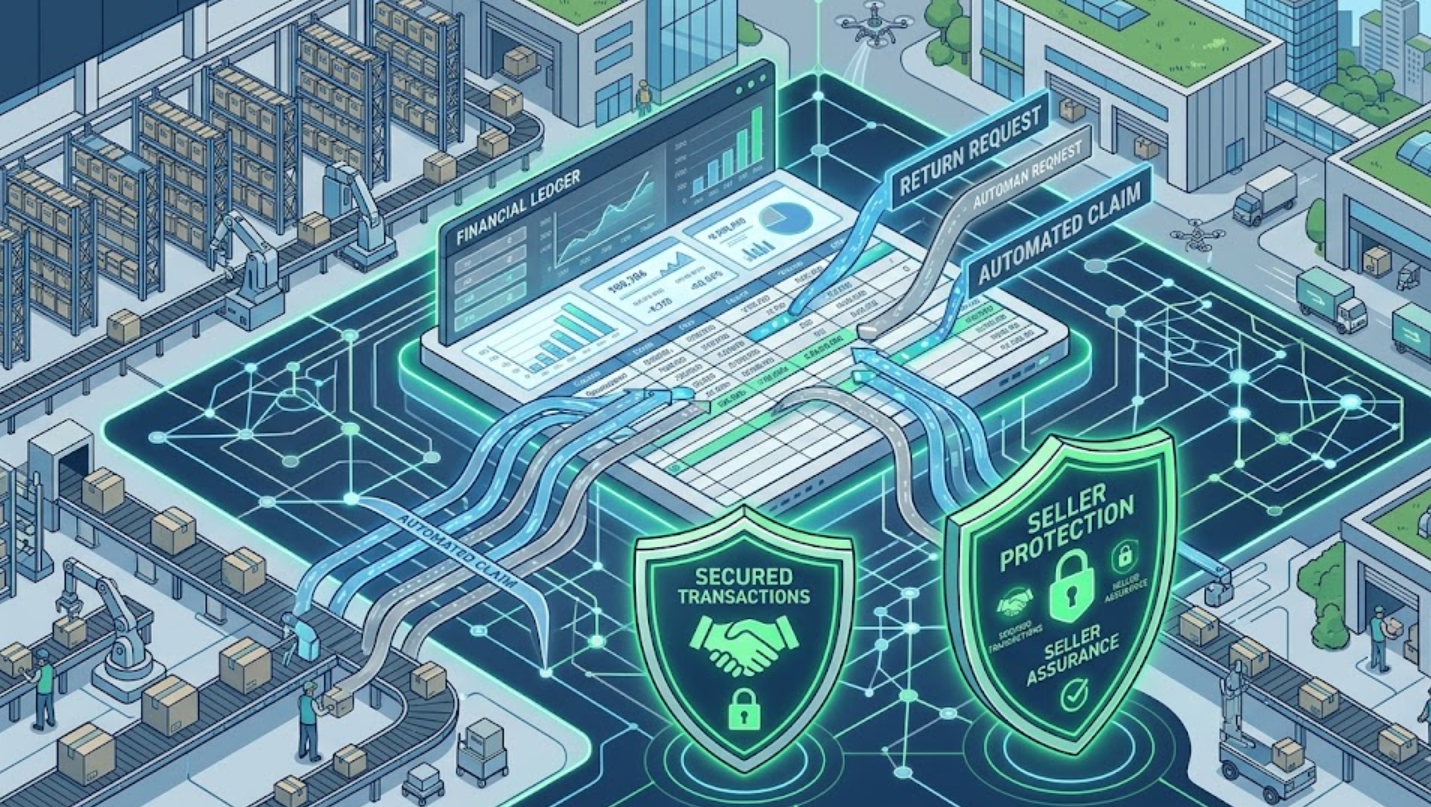
Navigating Amazon's A-to-Z Guarantee: Mitigating Seller-Funded Return Abuse
Amazon's automated A-to-Z Guarantee claims and escalating return abuse present a critical financial challenge for e-commerce sellers, often leading to uninvestigated, seller-funded losses. This trend, exacerbated by strict enforcement of doctrines like the First Sale Rule, necessitates proactive strategies to protect seller profitability. Understanding these dynamics and implementing robust mitigation tactics is essential for sustainable online business operations.
2026-04-29


