

THE BINARY NATURE OF COMPLIANCE
The transition period is over. The successful processing of 10,000 import declarations since January 14, 2026, signals the full activation of the EU's digital customs enforcement grid. We are observing a fundamental restructuring of how goods are cleared for free circulation. The integration of the CBAM Registry with national customs systems has created a binary validation environment.
In this definitive phase, the system operates on a logic of "verify then release." Unlike previous customs regimes where documentation could often be amended post-release, the CBAM protocol requires carbon authorization data to be present and validated in real-time. If the carbon intensity data is missing, or if the importer lacks the "authorized declarant" status, the customs algorithm triggers an automatic block.
This is a profound shift for logistics operations. The flow of goods—specifically steel, aluminum, fertilizers, hydrogen, electricity, and cement—is now tethered to the flow of verified data. The physical movement of cargo is secondary to the digital verification of its environmental footprint. For the logistics manager, this means that a data error is now functionally identical to a physical blockade. The system does not negotiate; it executes a pre-defined code that prioritizes regulatory adherence over commercial expediency.
STRATEGIC RECALIBRATION FOR IMPORTERS
To maintain operational continuity under this new regime, importers must effect a strategic recalibration of their supply chain management. The "Authorized Declarant" status is the new baseline for market access. Achieving and maintaining this status requires a methodical approach to data governance.
- Establish Data Sovereignty: You must own the data regarding the emissions of your supply chain. Relying on supplier self-declarations without third-party verification is a high-risk strategy. Implement direct data feeds from suppliers regarding energy consumption and production efficiency.
- Pre-Validation Protocols: Do not wait for the goods to arrive at the EU border to validate certificates. Implement a pre-shipment audit process where carbon data is verified against the CBAM methodology before the container is loaded.
- Liquidity Planning for Carbon Levies: The financial cost of CBAM certificates must be integrated into the unit economics of the product. This requires a dynamic pricing model that accounts for the fluctuating price of carbon in the EU ETS market.
- Supplier Diversification: Analyze the carbon intensity of your current supplier base. If a supplier's emissions profile renders their goods uncompetitive after the CBAM levy is applied, initiate a sourcing shift toward lower-carbon producers immediately.
This is not merely about compliance; it is about survival. The administrative burden has increased, but the cost of non-compliance—total shipment stagnation—is infinitely higher.
THE CALCULATED PATH FORWARD
The enforcement of the CBAM definitive phase validates our core philosophy: logistics is a computation. The variables have expanded to include carbon intensity, but the objective remains the same—efficiency and certainty. The 10,000 declarations processed this week are just the beginning of a permanent structural change in global trade.
We foresee a rapid evolution in logistics technology stacks to accommodate this requirement. Automated carbon accounting software will soon be as essential as the Warehouse Management System (WMS). The winners in this new environment will be those who treat data accuracy with the same reverence as physical inventory.
By adopting a rigorous, calculated approach to carbon data, organizations can transform this regulatory hurdle into a competitive filter, eliminating less sophisticated competitors who fail to adapt to the algorithmic border.
-

Navigating Amazon's Account Level Reserve (ALR) and Cash Flow Throttling: A Guide for Sellers
Amazon's Account Level Reserve (ALR) and "Delivery Date + 7 days" (DD+7) disbursement policies are severely impacting seller cash flow, making it challenging to pay suppliers and restock inventory. Understanding these mechanisms is crucial for maintaining financial stability and operational efficiency in e-commerce. Strategic logistics and proactive financial planning can help mitigate these significant funding delays.
2026-05-06
-
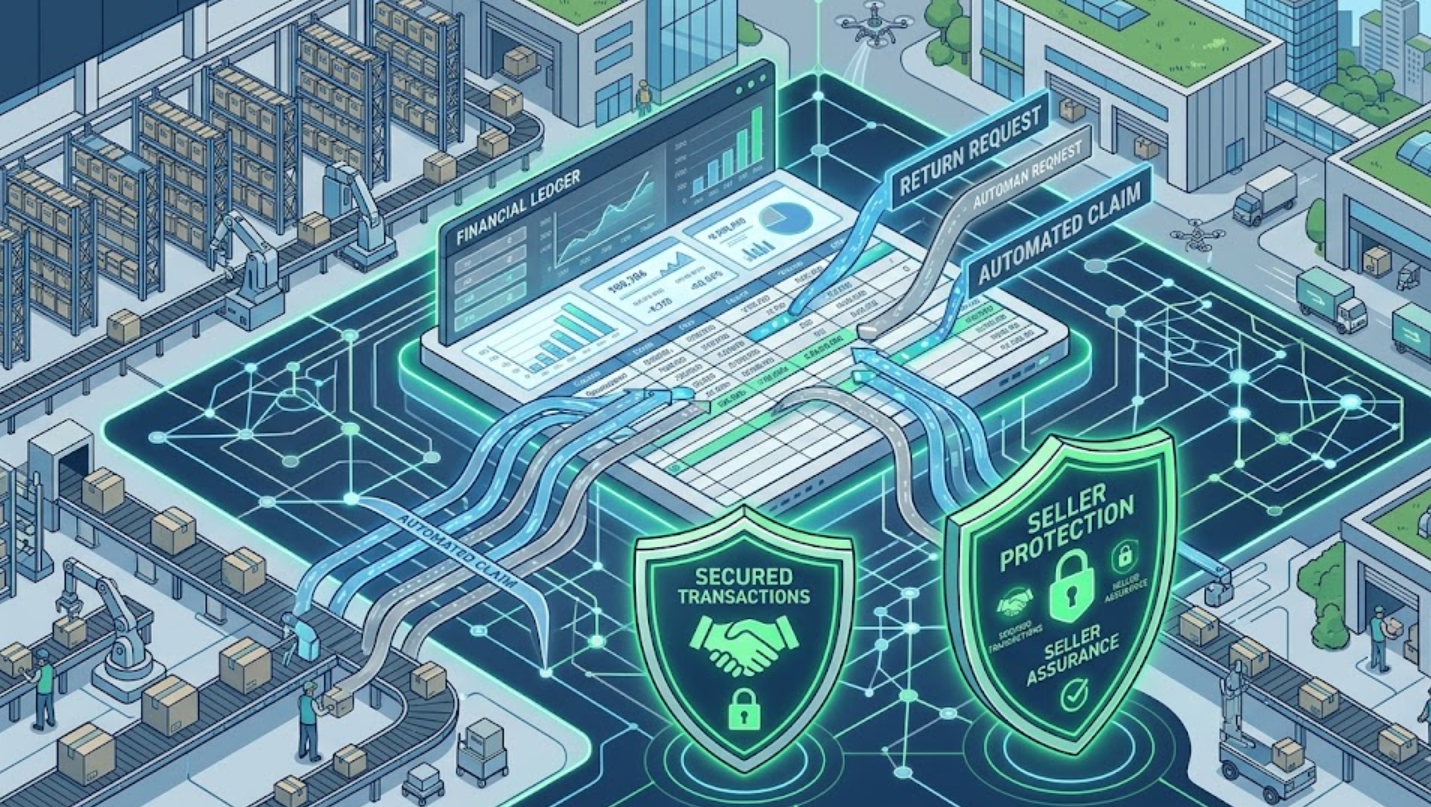
Navigating Amazon's A-to-Z Guarantee: Mitigating Seller-Funded Return Abuse
Amazon's automated A-to-Z Guarantee claims and escalating return abuse present a critical financial challenge for e-commerce sellers, often leading to uninvestigated, seller-funded losses. This trend, exacerbated by strict enforcement of doctrines like the First Sale Rule, necessitates proactive strategies to protect seller profitability. Understanding these dynamics and implementing robust mitigation tactics is essential for sustainable online business operations.
2026-04-29


