

The Data of Delay
The current congestion at Shanghai Port is not merely a volume issue; it is a compliance bottleneck. Analysis shows that the crackdown involves five-department joint inspections targeting tax compliance and "buying export orders." The impact is measurable: a queue of over 4,000 containers affecting premium services like Matson and EXX. When an expedite service faces a 20-day latency, its value proposition collapses. We are observing that the backlog clearing rate is slower than the inflow, necessitating an immediate rerouting strategy.
Strategic Variables
To mitigate this latency, we recommend altering the export node variable in your logistics equation. - Diversification: Shift partial volume to Ningbo or other regional hubs where inspection protocols may differ in intensity. - Compliance Auditing: Ensure all 1039 market procurement documentation is flawless to avoid being flagged in the "high-risk" algorithm used by customs. - Lead Time Buffering: Adjust ERP lead times by +21 days for current Shanghai departures to prevent stockouts at the destination.
The Broader Context
While Shanghai slows down, other variables are shifting. The new 25% tariff on Iran-trading nations and the finalization of post-Brexit trademark rules in the UK create a complex regulatory environment. A single logistical path is no longer sufficient. We advocate for a multi-nodal approach where inventory flow is calculated based on real-time risk data, not historical averages.
Optimize your ROI with LMLC's The Calculated Path at www.logicmilelc.com
-

Navigating Amazon's Account Level Reserve (ALR) and Cash Flow Throttling: A Guide for Sellers
Amazon's Account Level Reserve (ALR) and "Delivery Date + 7 days" (DD+7) disbursement policies are severely impacting seller cash flow, making it challenging to pay suppliers and restock inventory. Understanding these mechanisms is crucial for maintaining financial stability and operational efficiency in e-commerce. Strategic logistics and proactive financial planning can help mitigate these significant funding delays.
2026-05-06
-
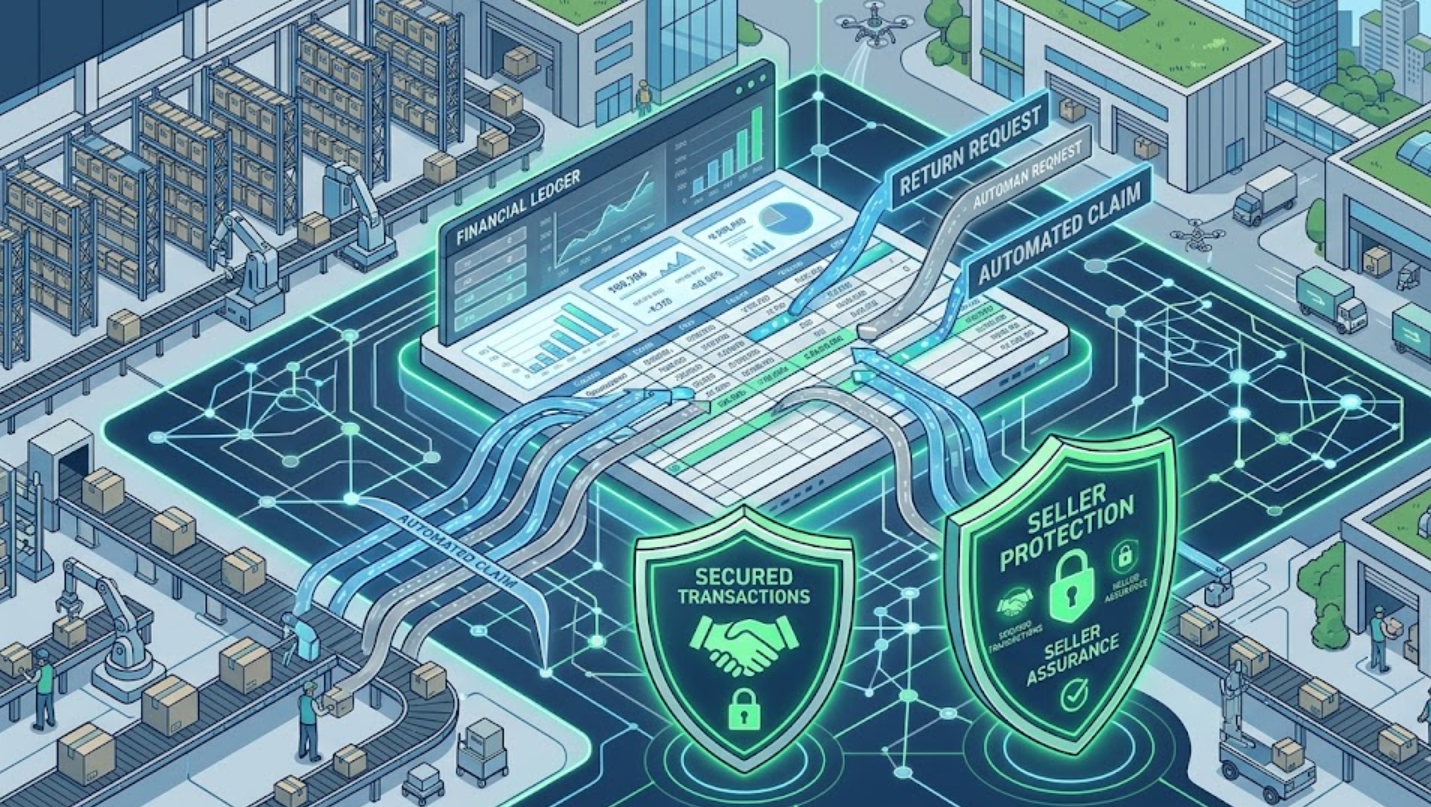
Navigating Amazon's A-to-Z Guarantee: Mitigating Seller-Funded Return Abuse
Amazon's automated A-to-Z Guarantee claims and escalating return abuse present a critical financial challenge for e-commerce sellers, often leading to uninvestigated, seller-funded losses. This trend, exacerbated by strict enforcement of doctrines like the First Sale Rule, necessitates proactive strategies to protect seller profitability. Understanding these dynamics and implementing robust mitigation tactics is essential for sustainable online business operations.
2026-04-29


