

[1.0 EXECUTIVE SUMMARY]
The structural advantage of direct-to-consumer cross-border logistics was predicated on duty-free exemptions. As of Q1 2026, this advantage has been nullified. We are witnessing a synchronized tightening of import regulations across major Western markets. This report details the transition from a "speed-over-cost" model to a "volume-over-frequency" framework. The calculated path forward requires an immediate restructuring of fulfillment architecture to mitigate the sharp rise in transactional levies.
[2.0 MARKET ANALYSIS: THE COST OF COMPLIANCE]
The removal of the US $800 de minimis exemption in late 2025 created an immediate friction point for sellers relying on Section 321 entries. We have observed a 12% increase in average landed cost for parcels valued under $50 during Q4 2025.
[2.1 THE EU LEVY IMPACT]
Looking ahead to July 2026, the EU's flat €3 fee per item introduces a regressive cost structure. For a product with a declared value of €10, this fee represents a 30% immediate surcharge, exclusive of VAT and shipping.
- Legacy Model: High frequency, low volume, zero duty.
- New Reality: High frequency = High taxation.
- Data Implication: The "per-parcel" economy is financially unsustainable for low-margin goods.
[3.0 STRATEGIC IMPLEMENTATION: CONSOLIDATION ALGORITHMS]
To neutralize the impact of these levies, we must alter the denominator of the logistics equation. Moving from individual parcel clearance to consolidated freight clearance significantly dilutes the impact of administrative fees.
[3.1 BONDED WAREHOUSING]
We recommend utilizing bonded warehouse facilities located within free trade zones near destination ports. This allows for:
- Deferment of duties until the moment of final sale.
- Bulk processing of customs entries rather than individual declarations.
- Reduction of the €3/item impact by converting it into aggregated commercial freight tariffs where applicable.
[3.2 DOMESTIC INJECTION]
By shifting to Full Container Load (FCL) or Less than Container Load (LCL) shipments into domestic hubs, the last mile becomes a local delivery transaction. This bypasses the cross-border surcharge mechanisms entirely for the final consumer leg.
[4.0 ROI OUTLOOK]
Our predictive modeling indicates that while the switch to bulk fulfillment increases working capital requirements by approximately 18% due to inventory holding, the savings in logistics and duty costs result in a net margin recovery of 22% compared to the post-regulation direct shipping model.
The path is clear. The variables have changed, and so must the formula.
Optimize your ROI with LMLC's The Calculated Path at www.logicmilelc.com
-

Navigating Amazon's Account Level Reserve (ALR) and Cash Flow Throttling: A Guide for Sellers
Amazon's Account Level Reserve (ALR) and "Delivery Date + 7 days" (DD+7) disbursement policies are severely impacting seller cash flow, making it challenging to pay suppliers and restock inventory. Understanding these mechanisms is crucial for maintaining financial stability and operational efficiency in e-commerce. Strategic logistics and proactive financial planning can help mitigate these significant funding delays.
2026-05-06
-
Navigating Amazon's A-to-Z Guarantee: Mitigating Seller-Funded Return Abuse
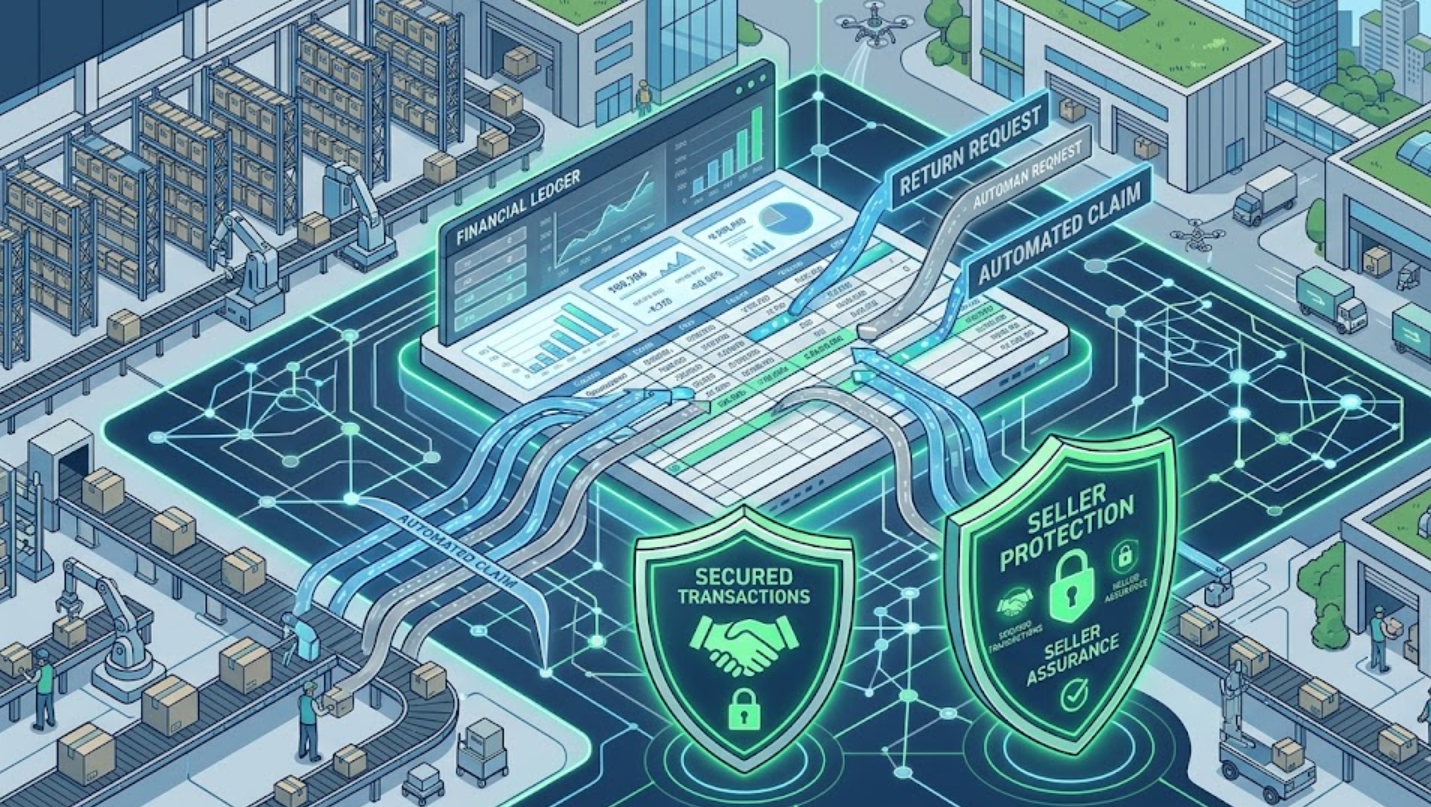
Amazon's automated A-to-Z Guarantee claims and escalating return abuse present a critical financial challenge for e-commerce sellers, often leading to uninvestigated, seller-funded losses. This trend, exacerbated by strict enforcement of doctrines like the First Sale Rule, necessitates proactive strategies to protect seller profitability. Understanding these dynamics and implementing robust mitigation tactics is essential for sustainable online business operations.
2026-04-29


