

We are watching a fascinating correction in the supply chain world right now. For years, the industry was obsessed with being "asset-light." The dream was to build the software, own the customer interface, and let someone else deal with the forklifts, leases, and sweat. But the recent acquisition of Shipwire by Stord signals that the pendulum is swinging back. Stord, a cloud supply chain unicorn, didn't just buy a company; they bought physical reality. This isn't just a merger. It is an admission that in logistics, you cannot code your way out of physical constraints. You eventually have to own the process.
The End of the "Asset-Light" Honeymoon
Here is the context. For a long time, the Silicon Valley approach to logistics was to build a layer of technology on top of fragmented providers. It sounded great in pitch decks. But here is the thing about logistics: it is messy. When you rely entirely on third-party networks without owning the underlying infrastructure, you lose control over the quality.
We are now entering a phase I like to call "Tech-Heavy, Asset-Smart." Companies that started as pure software plays are realizing that to truly optimize a supply chain, they need more than just visibility. They need control. Stord buying Shipwire from CEVA Logistics is the perfect example of this. They are taking their proprietary software and wrapping it around a physical fulfillment network. It is no longer enough to just tell a shipper where their inventory is; you have to be the one responsible for moving it.
Why Data Needs Dirt
The press release talks about "scaling global fulfillment" and "accelerating AI." Let's translate that into actual logistics speak.
Artificial Intelligence is useless without clean, high-velocity data. If you are a software layer sitting on top of five different 3PLs using five different legacy systems, your data is always going to be slightly laggy or standardized poorly. By acquiring Shipwire, Stord gains direct access to the "ground truth."
When you own the facility and the software running it, the feedback loop is instant. The AI doesn't just guess where inventory should go based on historical spreadsheets; it reacts to what happened on the loading dock ten minutes ago. This is about closing the gap between the digital plan and the physical execution. It is the difference between watching a game on TV and being the coach on the sideline.
This acquisition also solves the "blame game" problem. In the old model, when a shipment was late, the software provider blamed the warehouse, and the warehouse blamed the carrier. By vertically integrating, that excuse vanishes. The accountability becomes singular.
What This Means for the Rest of Us
If you are a mid-sized 3PL or a fulfillment center operating on legacy systems, this should be a wake-up call. The bar is being raised. We are moving toward a market where "good enough" fulfillment isn't going to cut it against competitors who have vertically integrated tech stacks.
For sellers and brands, this is actually good news. It means the market is maturing. You should stop looking for providers who just offer cheap storage rates and start looking for partners who understand data orchestration. The future belongs to operators who can combine the flexibility of modern software with the reliability of owned infrastructure.
The acquisition of Shipwire proves that the future of logistics isn't just digital. It is hybrid. It is code meeting concrete. And honestly, it is about time.
Logistics #SupplyChain #MergersAndAcquisitions #Fulfillment #TechTrends
-

Navigating Amazon's Account Level Reserve (ALR) and Cash Flow Throttling: A Guide for Sellers
Amazon's Account Level Reserve (ALR) and "Delivery Date + 7 days" (DD+7) disbursement policies are severely impacting seller cash flow, making it challenging to pay suppliers and restock inventory. Understanding these mechanisms is crucial for maintaining financial stability and operational efficiency in e-commerce. Strategic logistics and proactive financial planning can help mitigate these significant funding delays.
2026-05-06
-
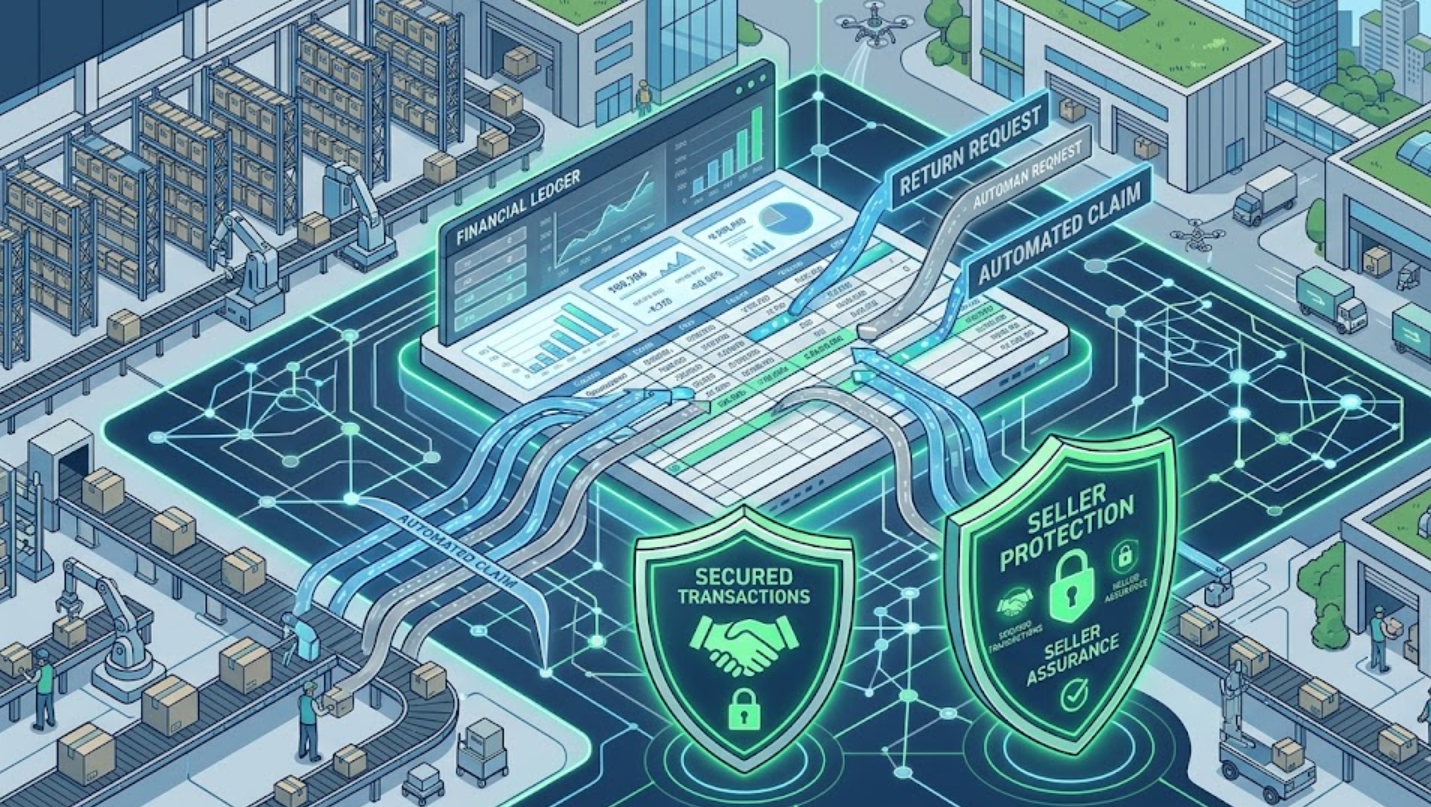
Navigating Amazon's A-to-Z Guarantee: Mitigating Seller-Funded Return Abuse
Amazon's automated A-to-Z Guarantee claims and escalating return abuse present a critical financial challenge for e-commerce sellers, often leading to uninvestigated, seller-funded losses. This trend, exacerbated by strict enforcement of doctrines like the First Sale Rule, necessitates proactive strategies to protect seller profitability. Understanding these dynamics and implementing robust mitigation tactics is essential for sustainable online business operations.
2026-04-29


