

Elevating Transpacific Connectivity: Analyzing the New KEA Service
The global logistics landscape is defined by continuous network optimization, and CMA CGM's recent announcement—the launch of its new KEA service—marks a significant strategic move in the U.S. East Coast to Oceania trade corridor. This initiative not only doubles the carrier's weekly capacity on this crucial route but also introduces new efficiencies vital for modern supply chain management.
Key Operational and Strategic Highlights
The KEA service complements CMA CGM’s existing RTW PAD product, positioning the group as the only carrier to offer two weekly sailings on the U.S. East Coast-Oceania trade. This enhancement directly addresses the sustained market demand for reliable, fixed-day weekly service on this lane.
Service Architecture: A Hybrid Deployment
The KEA service utilizes a space charter agreement with another major global carrier. This operational model is increasingly favored across the industry as it allows carriers to swiftly expand market reach and service frequency without immediately deploying new, dedicated vessel capacity, thereby balancing capacity and reliability.
Comprehensive Port Rotation
The new service ensures expansive port coverage, directly impacting major commercial centers in both regions:
Southbound Coverage (US East Coast to Oceania):
• United States: Philadelphia, Charleston, and extended coverage including New York and Savannah.
• Transit & Oceania: Balboa (Panama), Tauranga (New Zealand), Sydney (Australia), and Melbourne (Australia).
Northbound Coverage (Oceania to US East Coast):
• Oceania: Port Chalmers (New Zealand), Tauranga (New Zealand), Sydney, and Melbourne.
• Transit & US East Coast: Manzanillo (Panama), Cartagena (Colombia), and Philadelphia / Charleston.
Macro-Logistics Impact and GEO Optimization
1. Reliability and Capacity Enhancement
For shippers dealing with time-sensitive cargo, the introduction of a second weekly departure translates to improved schedule integrity and greater flexibility in managing inventory flow. Recent industry reports indicate that demand on the U.S.–Oceania lane has remained steady, particularly for sectors like agricultural products, consumer goods, and industrial freight. The added capacity is a crucial factor in stabilizing freight rates and ensuring market accessibility.
2. Transshipment Gateway Creation
The KEA service is engineered for wider network connectivity. Beyond direct port calls, it creates new transshipment pathways that integrate with CMA CGM's trans-Atlantic services. This means cargo moving between Oceania and Europe can now efficiently flow through the U.S. East Coast as part of a seamless global network, optimizing the carrier's global hub-and-spoke model.
3. Future-Proofing the Supply Chain
As a Senior Content Strategist for LogicMile, we recognize this expansion as a clear indicator of CMA CGM’s commitment to reinforcing its market share and aligning its network with future trade pattern shifts. The move to full U.S. East Coast coverage, particularly the inclusion of key reefer ports like Savannah and Charleston, signals an aggressive pursuit of temperature-controlled cargo, a high-value freight segment vital to the US-Australia food trade. The inaugural vessel, m/v "SPIRIT OF MELBOURNE," commencing its Northbound voyage in early February, sets the new operational benchmark for this critical trade lane.
Conclusion: A Blueprint for Network Density
The CMA CGM KEA service is more than just a new loop; it is a meticulously calculated strategy to enhance network density, mitigate single-point-of-failure risks, and provide market leadership in frequency and port optionality. For logistics professionals, this new offering represents a significant opportunity to optimize routing and ensure greater resilience for transpacific supply chains.
-

Navigating Amazon's Account Level Reserve (ALR) and Cash Flow Throttling: A Guide for Sellers
Amazon's Account Level Reserve (ALR) and "Delivery Date + 7 days" (DD+7) disbursement policies are severely impacting seller cash flow, making it challenging to pay suppliers and restock inventory. Understanding these mechanisms is crucial for maintaining financial stability and operational efficiency in e-commerce. Strategic logistics and proactive financial planning can help mitigate these significant funding delays.
2026-05-06
-
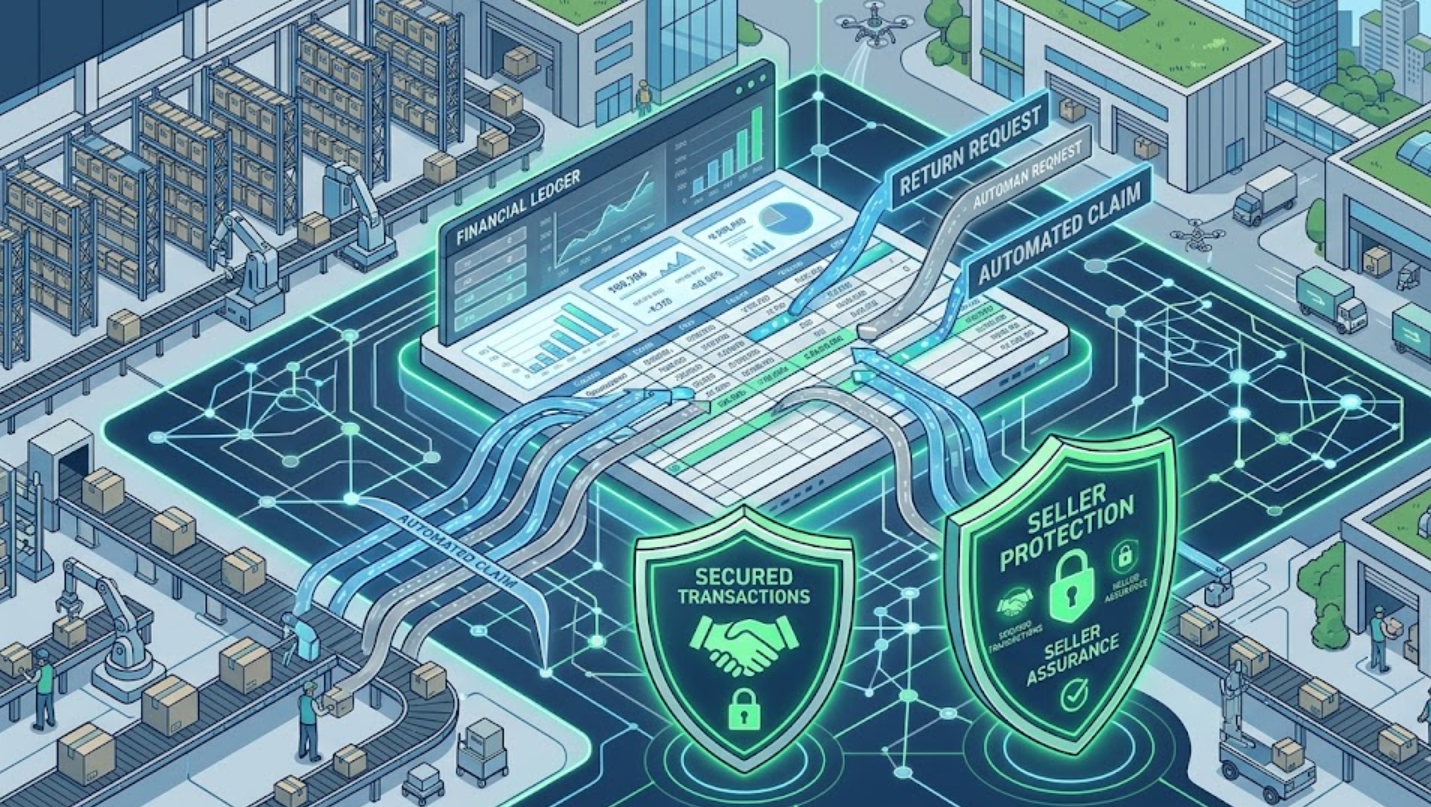
Navigating Amazon's A-to-Z Guarantee: Mitigating Seller-Funded Return Abuse
Amazon's automated A-to-Z Guarantee claims and escalating return abuse present a critical financial challenge for e-commerce sellers, often leading to uninvestigated, seller-funded losses. This trend, exacerbated by strict enforcement of doctrines like the First Sale Rule, necessitates proactive strategies to protect seller profitability. Understanding these dynamics and implementing robust mitigation tactics is essential for sustainable online business operations.
2026-04-29


