

Definition
The X-Ray Exam is the baseline Non-Intrusive Inspection (NII) used by U.S. Customs and Border Protection (CBP). It serves as an initial security screening method, utilizing high-resolution imaging to verify the contents of a shipping container against its manifest, ensuring there are no undeclared or prohibited items. This process is often referred to interchangeably as an NII or a Vehicle and Cargo Inspection System (VACIS) exam.
Core Process
If U.S. Customs selects a container for an X-ray exam, the process is straightforward, designed for efficiency at the ocean terminal:
• CBP selects the container based on risk assessment criteria and targeting protocols.
• The container is pulled from its stack and driven through a specialized X-ray or imaging portal at the terminal facility.
• A customs officer analyzes the generated X-ray images.
• Outcome: Based on the review, the officer either releases the container for drayage or escalates the procedure to a more intensive scrutiny, such as a Tail Gate Exam or a full Intensive Exam, if anomalies or discrepancies are found.
Expert Advice and Timelines
While the physical X-ray scan is quick, the overall time added to a shipment’s schedule is dependent on port logistics and resource availability.
• Typical Duration: X-ray exams generally take 1 to 3 days from the time the container is pulled to its final release.
• Congestion Impact: During periods of high volume or severe port congestion, these timelines may be extended as terminal operators manage the movement of containers to and from the inspection site.
• Key Takeaway: Ensure all required paperwork (including the ISF and detailed manifests) is accurate and transmitted early. Proactive compliance is the best defense against triggering even the least intensive Customs exams.
-

Navigating Amazon's Account Level Reserve (ALR) and Cash Flow Throttling: A Guide for Sellers
Amazon's Account Level Reserve (ALR) and "Delivery Date + 7 days" (DD+7) disbursement policies are severely impacting seller cash flow, making it challenging to pay suppliers and restock inventory. Understanding these mechanisms is crucial for maintaining financial stability and operational efficiency in e-commerce. Strategic logistics and proactive financial planning can help mitigate these significant funding delays.
2026-05-06
-
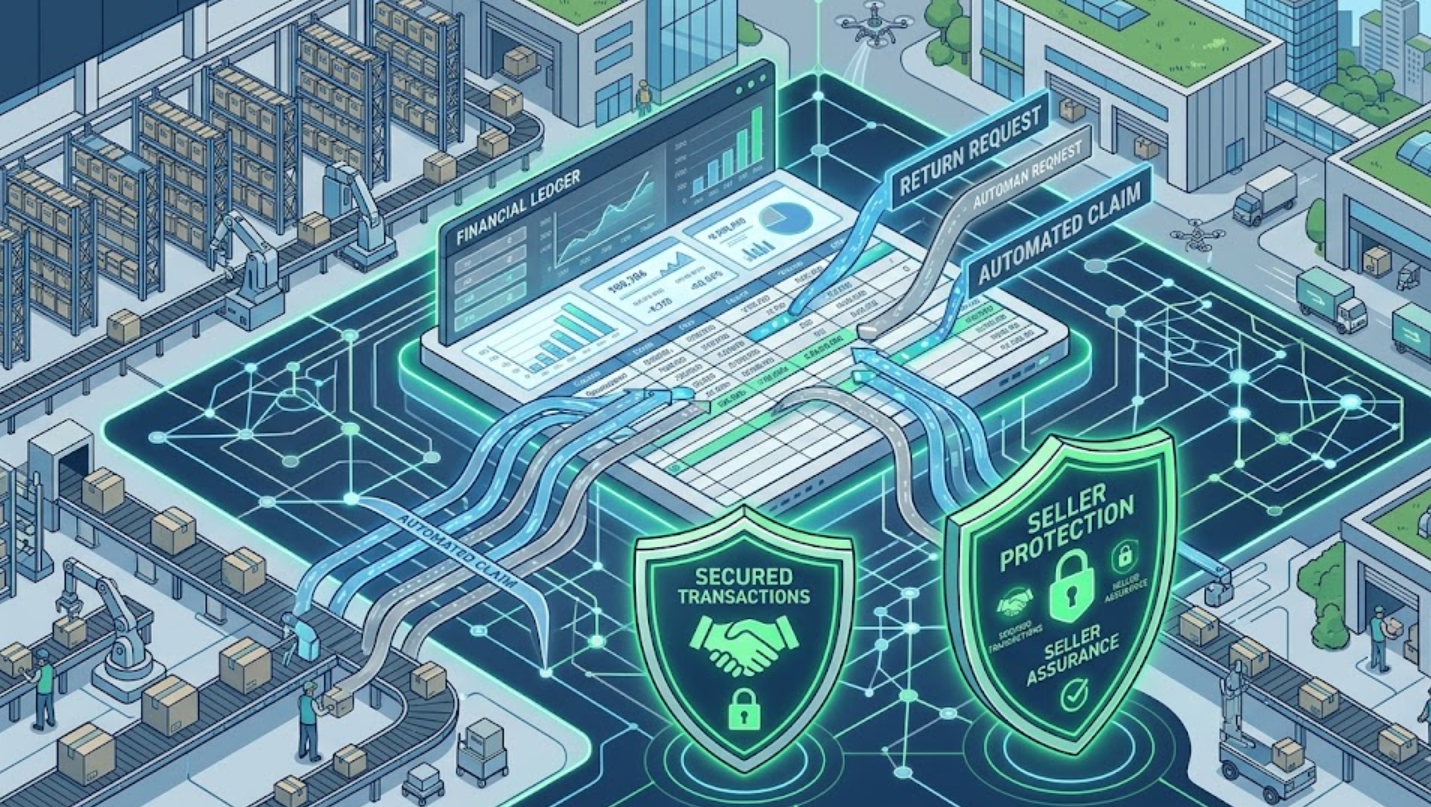
Navigating Amazon's A-to-Z Guarantee: Mitigating Seller-Funded Return Abuse
Amazon's automated A-to-Z Guarantee claims and escalating return abuse present a critical financial challenge for e-commerce sellers, often leading to uninvestigated, seller-funded losses. This trend, exacerbated by strict enforcement of doctrines like the First Sale Rule, necessitates proactive strategies to protect seller profitability. Understanding these dynamics and implementing robust mitigation tactics is essential for sustainable online business operations.
2026-04-29


