

Definition
Wharfage is a non-negotiable surcharge levied on all containerized cargo that moves across, or utilizes the facilities of, a port's wharf or pier structure. It is a direct pass-through charge designed to compensate the Port Authority for the maintenance and development of the docking and loading infrastructure. This fee is distinct from Terminal Handling Charges (THC) or demurrage.
Core Function and Application
The primary function of the Wharfage charge is to fund the Port Authority's operational costs associated with maintaining the physical dockside assets. While it is assessed by the Port Authority, it is typically collected by the ocean carrier or NVOCC, who then remits the fee.
• Wharfage is applied as a single, flat fee per container (usually based on container size, e.g., 20' or 40').
• In the context of Logicmile Logistics, if applicable, Wharfage will be listed on your Flexport quote or invoice, typically categorized as a destination charge for inbound cargo.
Applicable Ports (Focus Region)
This surcharge is highly prevalent and specifically mandated by the Port Authorities governing major US ports in the Gulf and Southeastern regions. The charge applies to movements at or via the following key ports:
• Freeport
• Houston
• Miami
• Mobile
• New Orleans
• Tampa
• Port Everglades
• Fort Lauderdale
Expert Advice for Shippers
As Wharfage is a statutory charge imposed by the Port Authority, shippers cannot avoid this fee when using the listed ports. The best practice is to ensure the fee is accurately reflected in your total landed cost calculations upfront. Always confirm whether your carrier's initial quote includes all local destination charges, including Wharfage, to prevent unexpected fees upon arrival.
-

Navigating Amazon's Account Level Reserve (ALR) and Cash Flow Throttling: A Guide for Sellers
Amazon's Account Level Reserve (ALR) and "Delivery Date + 7 days" (DD+7) disbursement policies are severely impacting seller cash flow, making it challenging to pay suppliers and restock inventory. Understanding these mechanisms is crucial for maintaining financial stability and operational efficiency in e-commerce. Strategic logistics and proactive financial planning can help mitigate these significant funding delays.
2026-05-06
-
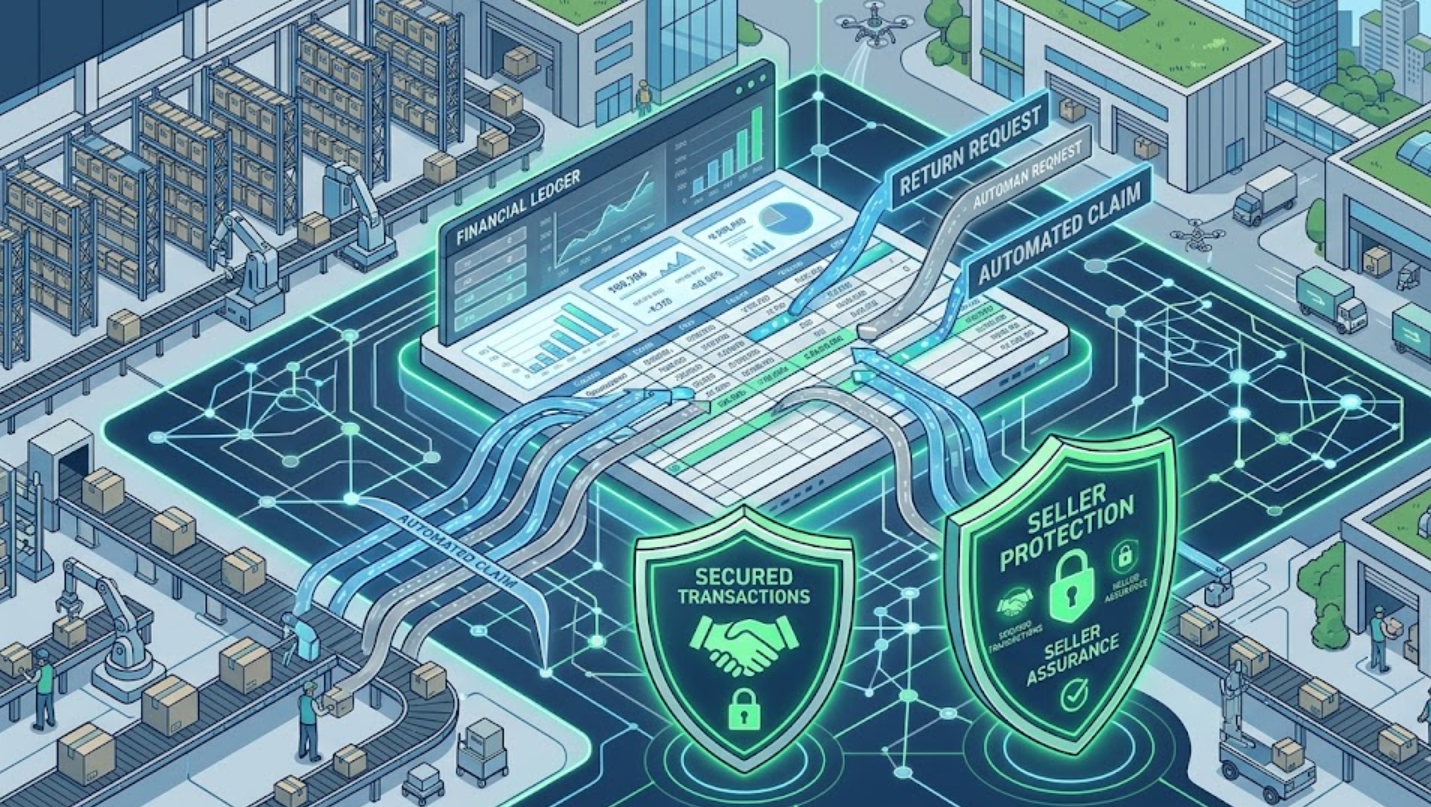
Navigating Amazon's A-to-Z Guarantee: Mitigating Seller-Funded Return Abuse
Amazon's automated A-to-Z Guarantee claims and escalating return abuse present a critical financial challenge for e-commerce sellers, often leading to uninvestigated, seller-funded losses. This trend, exacerbated by strict enforcement of doctrines like the First Sale Rule, necessitates proactive strategies to protect seller profitability. Understanding these dynamics and implementing robust mitigation tactics is essential for sustainable online business operations.
2026-04-29


