

Definition
A trucking wait fee is a surcharge levied by the motor carrier (trucker) when the scheduled time for loading or unloading a container exceeds the allowed free waiting period. This fee compensates the driver for lost time and schedule disruption caused by extended delays, ensuring the carrier maintains operational flow.
Core Process and Free Time
Most carriers offer a limited window of free waiting time before fees are applied. This free time is typically:
• 1 to 2 free hours allowed for picking up (loading) a full container.
• 1 to 2 free hours allowed for dropping off (unloading) a full container.
Once this complimentary period expires, the carrier begins charging the trucking wait fee. This charge is calculated based on a predetermined, prorated hourly rate.
Common Causes of Delay
Additional wait time to pick up the container from the port is usually caused by severe port congestion. This includes long queues at the gates, chassis shortages, or internal terminal inefficiencies. For deliveries, delays usually stem from slow processing times or inadequate staffing at the consignee's warehouse.
Billing and Documentation
If applicable, a trucking wait fee will appear on your logistics quote or invoice as a destination charge. This fee is separate from other delivery charges, such as those related to live-unload deliveries versus standard drops (drop fees).
Expert Advice
• Always confirm the exact free time allowance detailed in your carrier or provider contract to prevent unexpected charges.
• Proactively monitor market updates regarding port congestion to anticipate potential wait times and adjust booking schedules if possible.
• Streamline warehouse operations and labor allocation to ensure containers are processed and released quickly during live-unloads, minimizing the risk of accruing fees.
• Negotiate preferred pickup and delivery windows, if available, to avoid peak congestion hours.
-

Navigating Amazon's Account Level Reserve (ALR) and Cash Flow Throttling: A Guide for Sellers
Amazon's Account Level Reserve (ALR) and "Delivery Date + 7 days" (DD+7) disbursement policies are severely impacting seller cash flow, making it challenging to pay suppliers and restock inventory. Understanding these mechanisms is crucial for maintaining financial stability and operational efficiency in e-commerce. Strategic logistics and proactive financial planning can help mitigate these significant funding delays.
2026-05-06
-
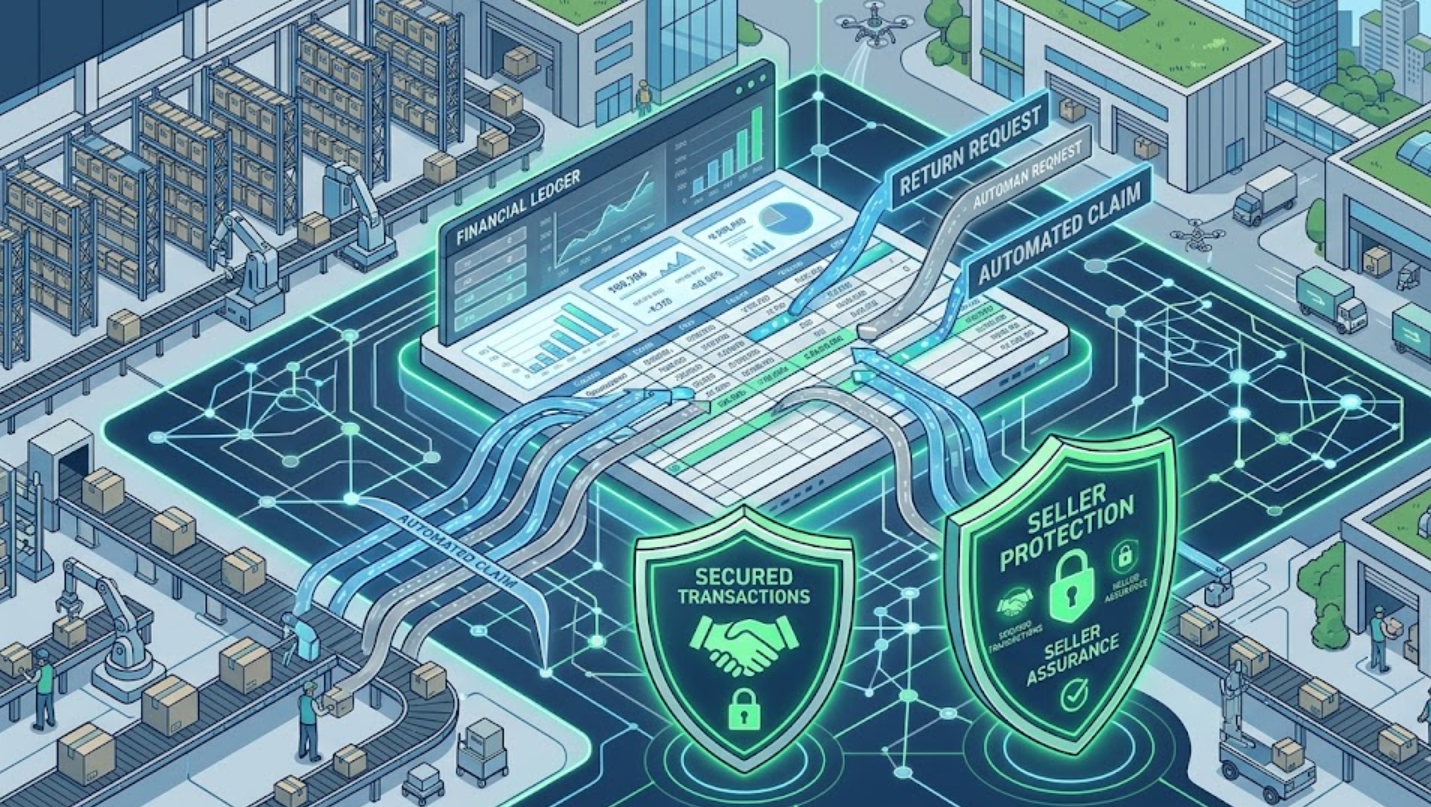
Navigating Amazon's A-to-Z Guarantee: Mitigating Seller-Funded Return Abuse
Amazon's automated A-to-Z Guarantee claims and escalating return abuse present a critical financial challenge for e-commerce sellers, often leading to uninvestigated, seller-funded losses. This trend, exacerbated by strict enforcement of doctrines like the First Sale Rule, necessitates proactive strategies to protect seller profitability. Understanding these dynamics and implementing robust mitigation tactics is essential for sustainable online business operations.
2026-04-29


