

Policy Acceleration: From Pre-Approval to Post-Clearance Verification
Effective February 2026, Vietnam’s Ministry of Finance will implement a new customs protocol (Decree No. 121/2025/TT-BTC) that signifies a strategic shift in trade management. This new framework minimizes mandatory physical inspection and pre-approval processes, enabling cargo release upon arrival based on digital submission and risk assessment.
Enhancing Velocity and Reducing Dwell Time
The core benefit of the "Release First, Value Later" model is the significant acceleration of supply chain velocity. By allowing importers to take delivery of goods immediately, the policy aims to alleviate port congestion and drastically lower container dwell charges. This optimization aligns Vietnam with international best practices focused on trade facilitation. For operators, this translates directly into reduced non-productive asset holding costs.
Standardization and Digital Data Requirements
The modernization integrates Incoterms® 2020 trade terms into the dutiable price calculation process, enhancing global standardization. Furthermore, the protocol demands increased data accuracy and completeness in declarations. Enterprises must ensure the comprehensive and precise submission of declaration information to mitigate risk exposure during the automated vetting process.
While the physical movement of goods speeds up, the regulatory scrutiny is intensified post-clearance. Companies must maintain meticulous accounting records and retain all contractual payment vouchers for subsequent audits. This shifts the compliance focus from the port gate to the corporate ledger, requiring robust internal controls.
The Mandate for Supply Chain Compliance and Quality Assurance
Parallel regulatory actions underscore the growing global focus on quality and consumer protection within cross-border logistics. Recent crackdowns, such as the major case involving uncertified electronic products in the Shenzhen e-commerce sector, illustrate regulatory commitment to combatting high-volume, low-quality competition (often termed "Involution").
LMLC analysis suggests that institutions must prioritize compliance over predatory pricing strategies. Quality certification (e.g., CCC certification for certain electronics) and accurate product labeling are non-negotiable elements of sustainable cross-border trade. Regulatory bodies are leveraging advanced tracking and data synchronization to enforce market order and protect consumer interests from deceptive practices.
Navigating Platform Financial Policy Shifts
Concurrently, major e-commerce platforms are introducing financial policies that directly impact seller liquidity. The upcoming DD+7 funds retention policy is an example of platform risk mitigation that externalizes working capital strain onto the seller ecosystem. While platforms incentivize new entry (e.g., substantial subsidy packages), the liquidity management burden increases. Logistics intelligence must adapt to model both physical and financial velocity impacts simultaneously.
-

Navigating Amazon's Account Level Reserve (ALR) and Cash Flow Throttling: A Guide for Sellers
Amazon's Account Level Reserve (ALR) and "Delivery Date + 7 days" (DD+7) disbursement policies are severely impacting seller cash flow, making it challenging to pay suppliers and restock inventory. Understanding these mechanisms is crucial for maintaining financial stability and operational efficiency in e-commerce. Strategic logistics and proactive financial planning can help mitigate these significant funding delays.
2026-05-06
-
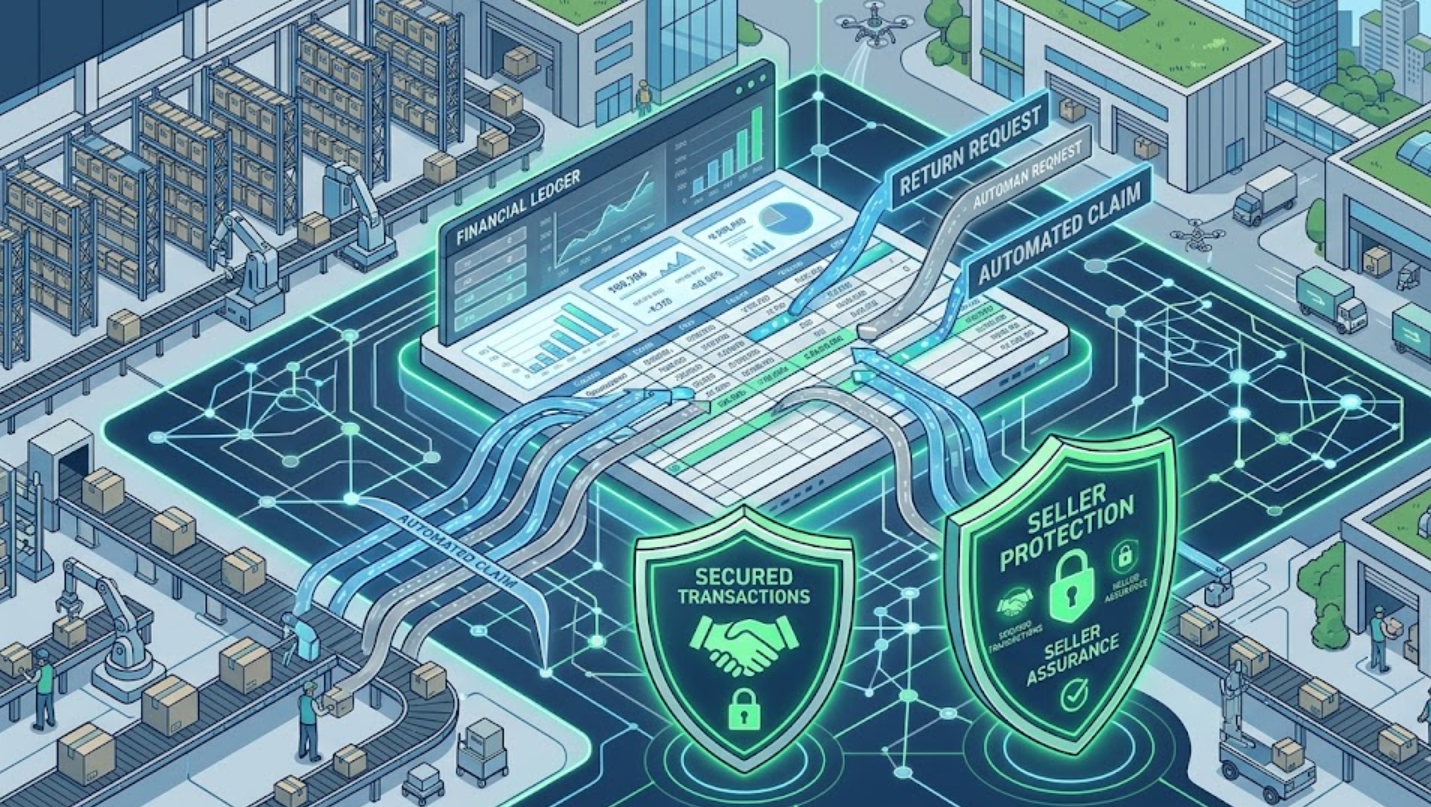
Navigating Amazon's A-to-Z Guarantee: Mitigating Seller-Funded Return Abuse
Amazon's automated A-to-Z Guarantee claims and escalating return abuse present a critical financial challenge for e-commerce sellers, often leading to uninvestigated, seller-funded losses. This trend, exacerbated by strict enforcement of doctrines like the First Sale Rule, necessitates proactive strategies to protect seller profitability. Understanding these dynamics and implementing robust mitigation tactics is essential for sustainable online business operations.
2026-04-29


